English
 русский
 Español
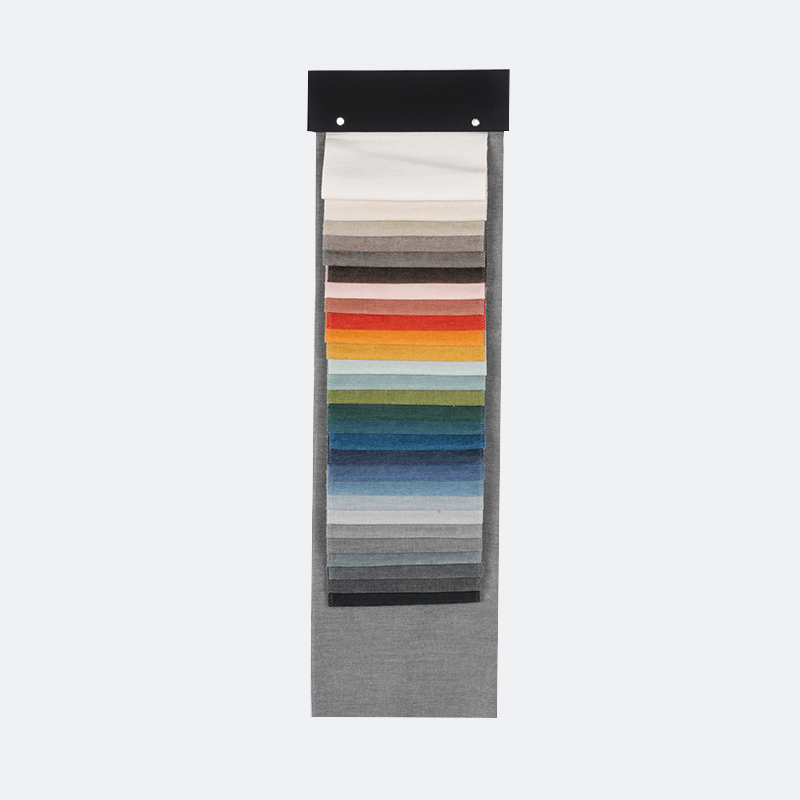
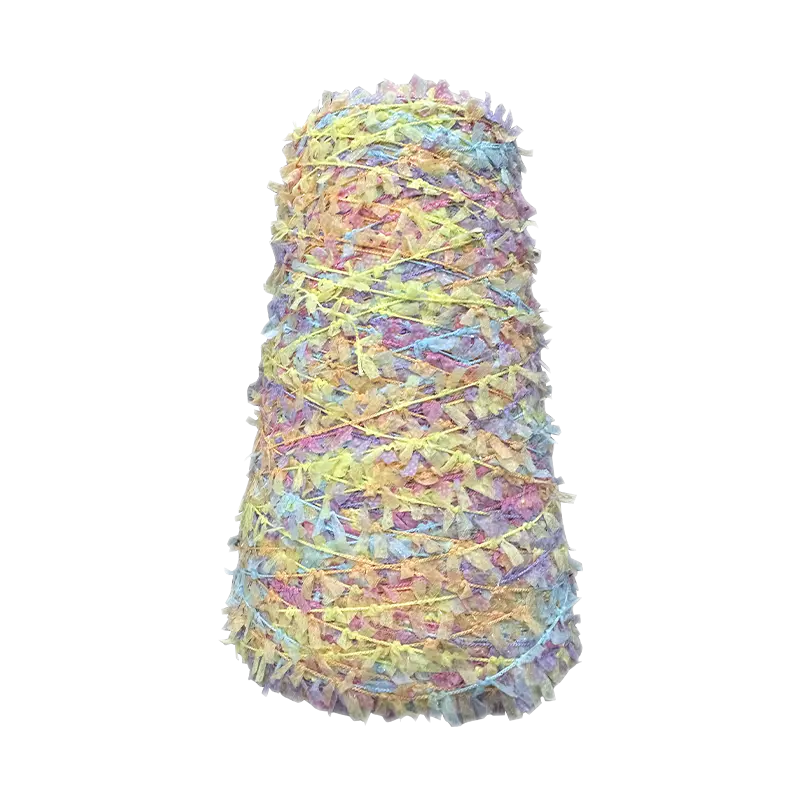
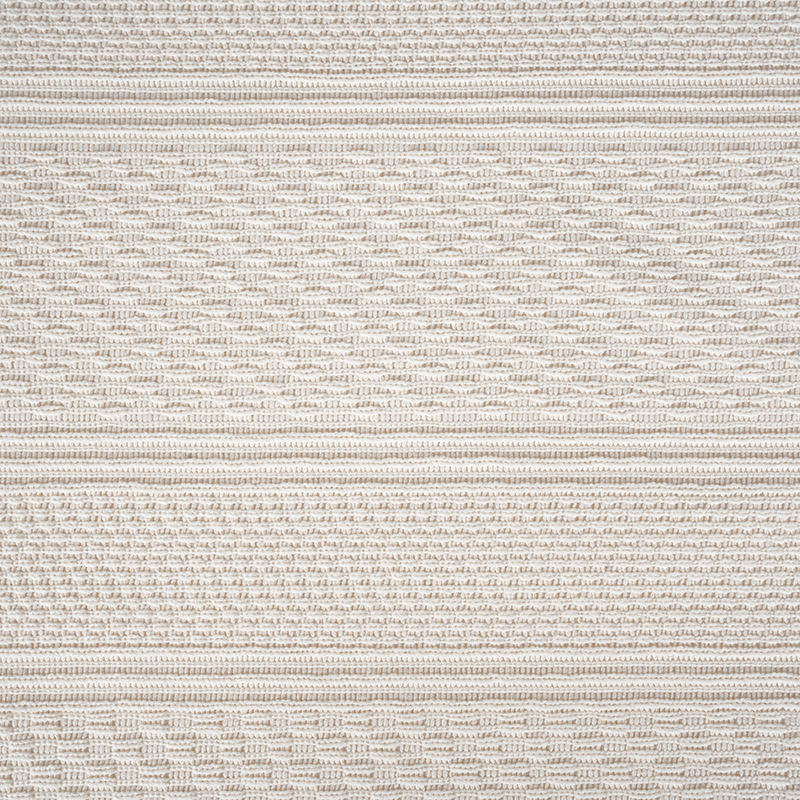
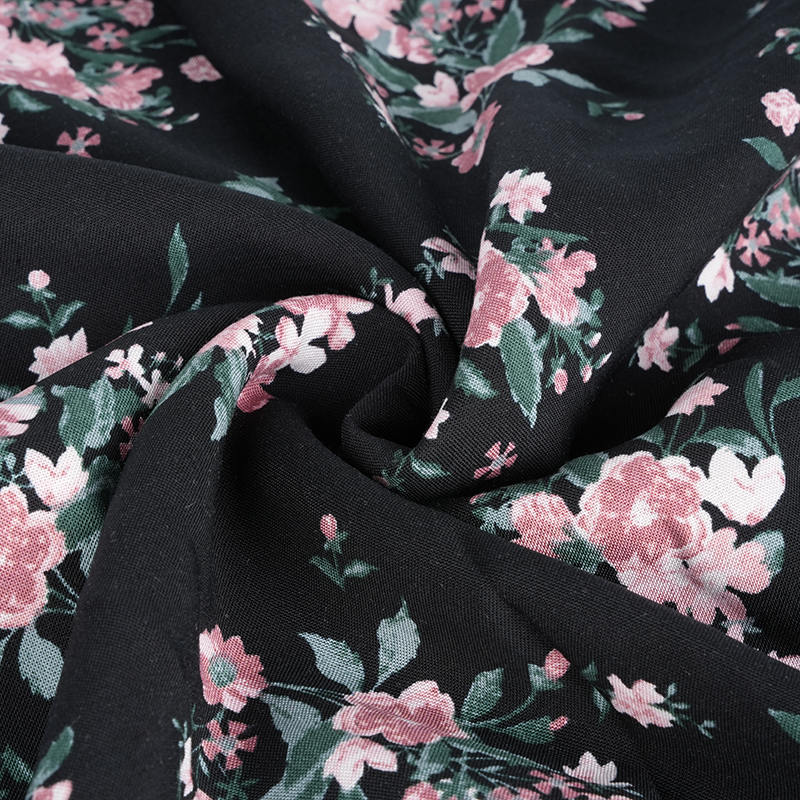
Polyester printing fabric is an exceptionally versatile and durable textile that offers unmatched color vibrancy and longevity when paired with the correct printing technology. Because polyester is a synthetic, hydrophobic polymer, it cannot be dyed using traditional water-based inks effectively. Instead, the fabric achieves its best results through dye sublimation or the use of dispersed dyes, which bond directly with the synthetic fibers at a molecular level. This ensures that the printed designs are highly resistant to fading, washing, and wear, making it the premier choice for everything from activewear to large-format commercial banners.
Why Choose Polyester for Printed Textiles
The decision to utilize polyester as a base for printed fabrics is driven by its inherent physical and chemical properties. Unlike natural fibers, polyester fibers are engineered to withstand rigorous use while maintaining their structural integrity. This makes the fabric an ideal canvas for high-resolution printing.
- Exceptional Durability: The synthetic fibers are highly resistant to tearing, stretching, and abrasion, ensuring that printed designs remain intact even in high-traffic applications.
- Moisture Wicking Properties: Polyester does not absorb water easily. This hydrophobic nature means that when properly printed using sublimation, the colors will not bleed or fade when exposed to moisture or sweat.
- Color Retention: The molecular structure of polyester allows dispersed dyes to trap within the fiber permanently upon heating, resulting in lifelong color fastness.
- Cost-Effectiveness: The mass production of polyester yarn is highly efficient, keeping the base fabric cost low while allowing for premium printing results.
Primary Printing Technologies for Polyester
The success of a polyester printing fabric heavily relies on the method used to transfer the design onto the textile. Different techniques yield varying results in terms of texture, color depth, and application suitability.
Dye Sublimation
Dye sublimation is the most popular and effective method for printing on 100% polyester fabrics. The process involves printing a design onto a special transfer paper using sublimation inks. The paper is then placed against the polyester fabric and subjected to high heat and pressure. Under these conditions, the solid ink turns directly into a gas, bypassing the liquid phase, and penetrates the polyester fibers. As it cools, the gas solidifies, permanently locking the color inside the fabric. The result is a completely soft-hand feel, as the ink becomes part of the fabric rather than sitting on top of it.
Direct Disperse Printing
Direct disperse printing involves applying dispersed dye inks directly onto the polyester fabric using specialized digital printers. After printing, the fabric must undergo a steaming or baking process to fix the dyes into the fibers. This method is particularly useful for thicker polyester materials or when sublimation transfer paper is impractical. While it offers excellent color penetration, it requires thorough post-printing washing to remove excess unfixed dye.
Pigment Printing on Polyester Blends
When polyester is blended with natural fibers like cotton, sublimation is no longer fully effective. In these cases, pigment printing is used. Pigments are essentially colored particles glued to the surface of the fabric using a binder. While this allows for printing on blends, the hand feel is slightly stiffer, and the color fastness is generally lower than that of sublimated pure polyester.
Comparison of Sublimation and Direct Printing
To better understand which method suits a specific project, it is helpful to compare the two most common digital printing technologies used for polyester fabrics.
| Feature | Dye Sublimation | Direct Disperse Printing |
|---|---|---|
| Fabric Type | 100% Polyester (White or Light) | 100% Polyester (Various colors) |
| Hand Feel | Extremely soft, no ink layer | Slightly stiffer, minimal ink layer |
| Color Fastness | Excellent, permanent bond | Very good, requires post-washing |
| Production Complexity | Lower, minimal post-processing | Higher, requires steaming and washing |
Major Application Areas
The unique properties of polyester printing fabric make it suitable for a wide range of industries. The ability to produce high-definition, edge-to-edge prints without compromising the fabric's durability is a major advantage.
- Sportswear and Activewear: The moisture-wicking properties combined with sublimation printing make it the standard for athletic jerseys, leggings, and team uniforms. The prints do not crack or peel, even after repeated washing and intense physical activity.
- Soft Signage and Banners: Polyester fabric is lightweight and can be folded without creasing, making it ideal for trade show displays, retractable banners, and retail graphics. The prints offer a premium, fabric-based look that is superior to traditional vinyl.
- Home Textiles: Printed polyester is widely used for curtains, bedspreads, and decorative pillows. The fabric resists wrinkles and holds vibrant colors well, enhancing interior design aesthetics.
- Fashion Apparel: Designers utilize polyester printing fabrics for bold, colorful patterns that require sharp details and continuous gradients, such as scarves, beachwear, and statement dresses.
Maintenance and Care Guidelines
Proper care is essential to maximize the lifespan of polyester printing fabric. While the fabric and the sublimated prints are inherently durable, improper maintenance can cause unnecessary degradation over time. To preserve the integrity of the fabric and the brilliance of the colors, users should follow specific, straightforward guidelines.
First, always wash polyester printed items in cold or warm water. Hot water is unnecessary and can slowly weaken the synthetic fibers. Use a mild detergent and avoid bleach or harsh chemical cleaners, as these can alter the chemical structure of the dispersed dyes, leading to discoloration. Second, avoid high heat during the drying process. While polyester is heat-resistant, the high temperatures of commercial dryers can cause the fabric to shrink slightly or warp. Tumble drying on a low heat setting or air drying is highly recommended.
Finally, if ironing is required, use a low heat setting. Placing a hot iron directly on a sublimated print can potentially cause the dispersed dyes to turn back into a gas and migrate, leading to ghosting or color shifts. Always iron on the reverse side of the fabric or use a pressing cloth to protect the printed surface. By adhering to these care instructions, printed polyester textiles can maintain their original vibrancy and structural strength for years.