English
 русский
 Español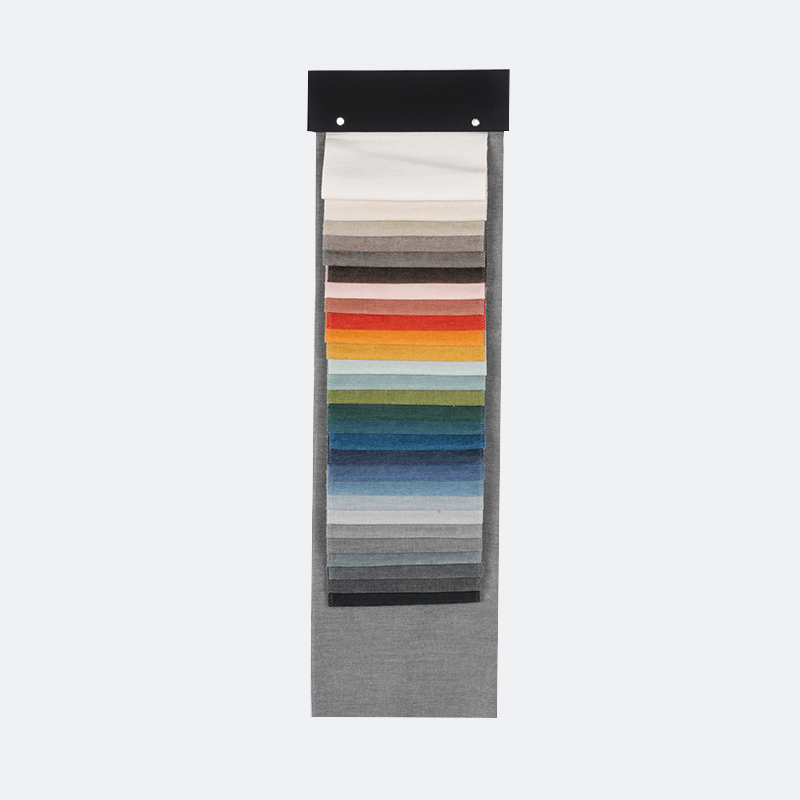
The Essence of Metallic Yarn in Textile Innovation
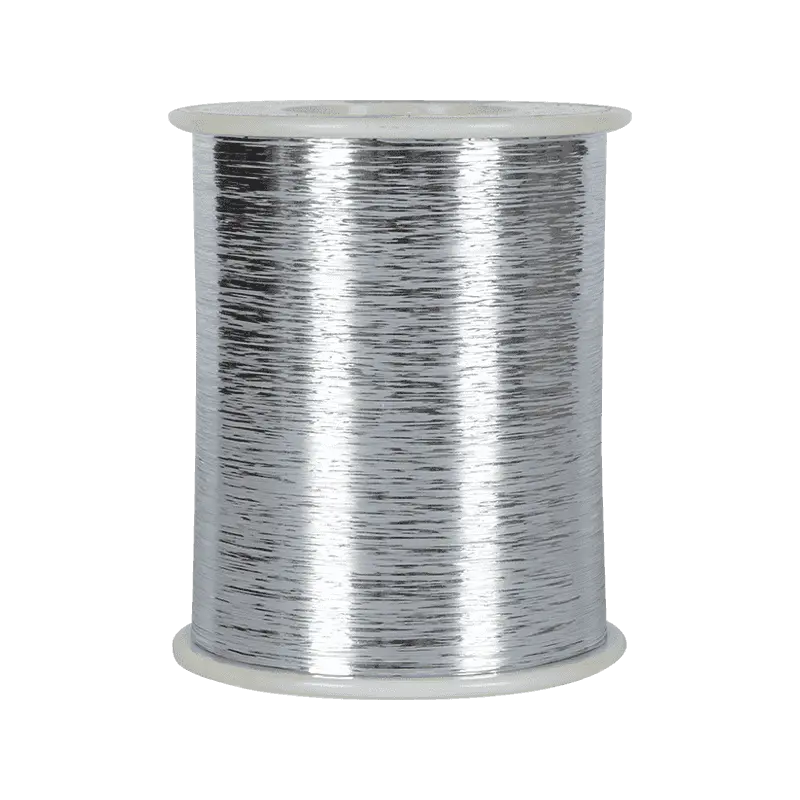
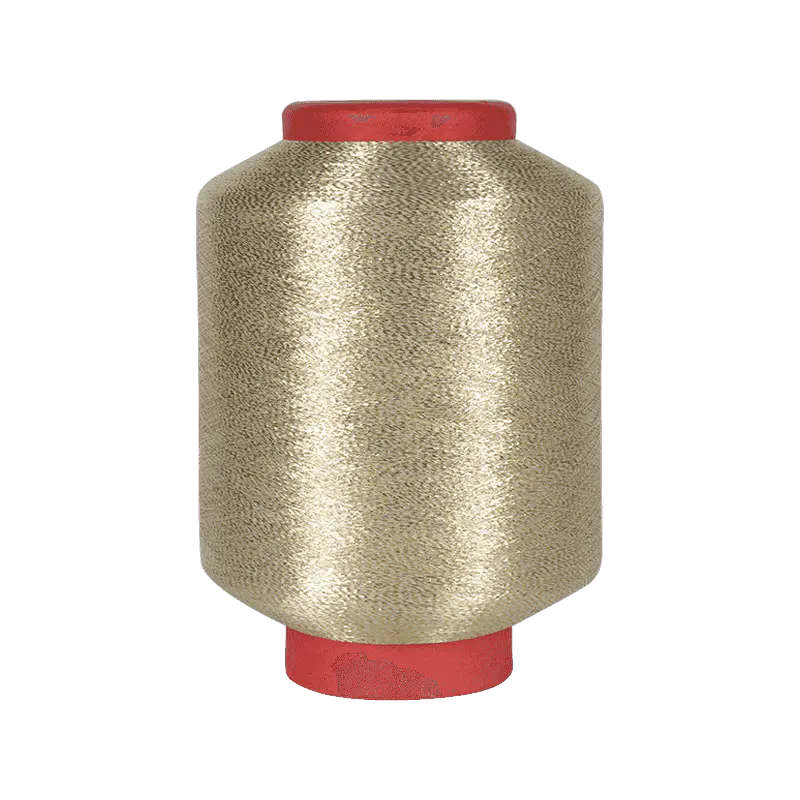
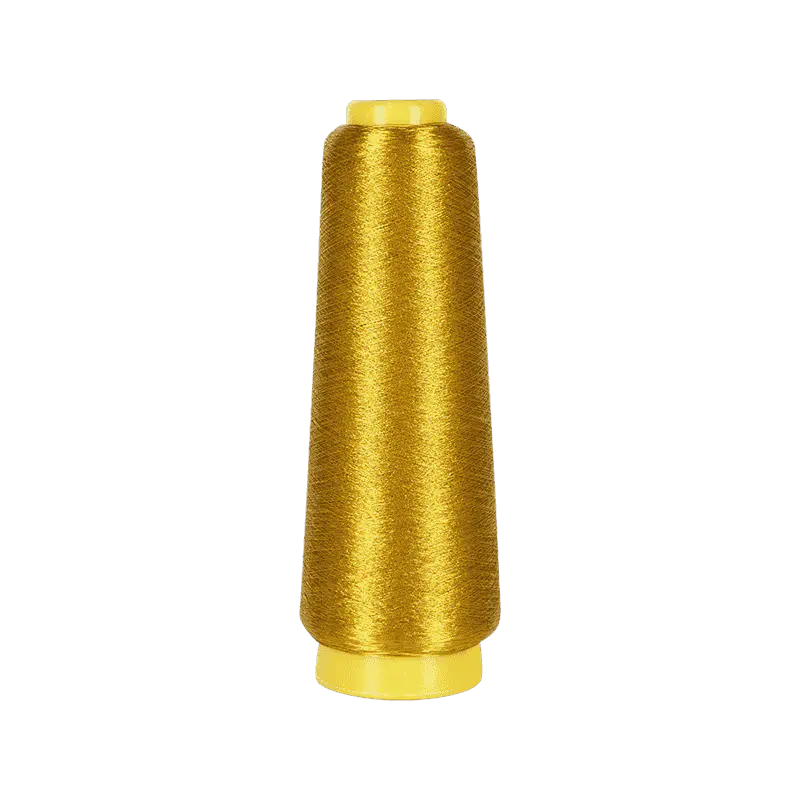
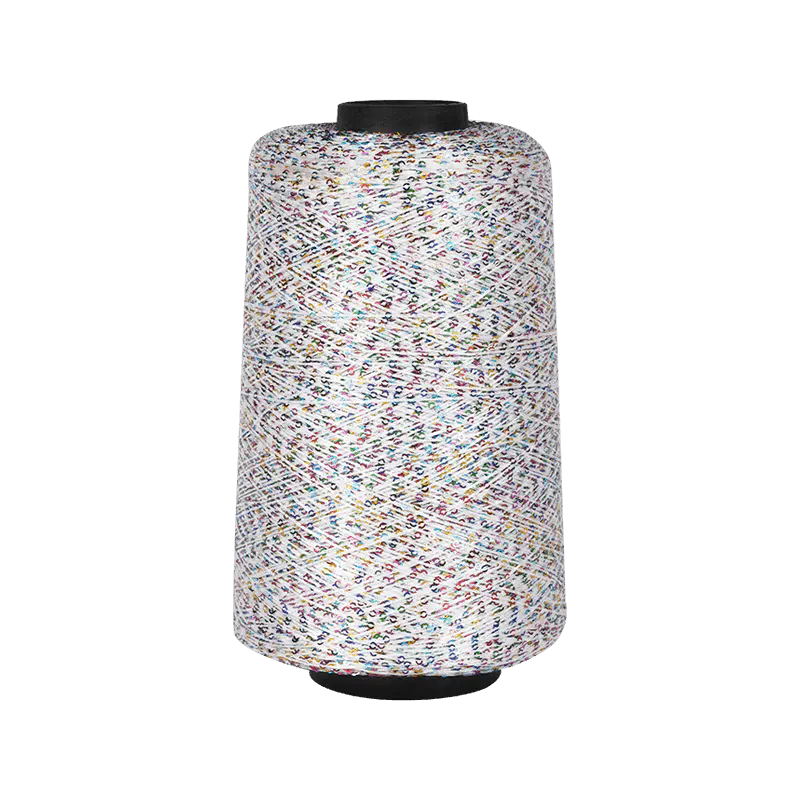
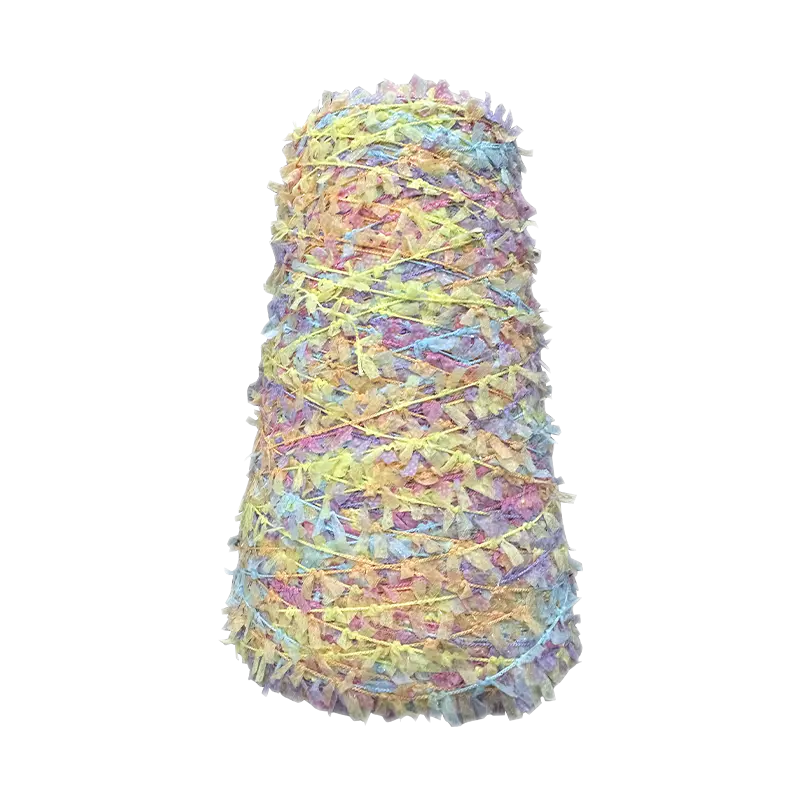
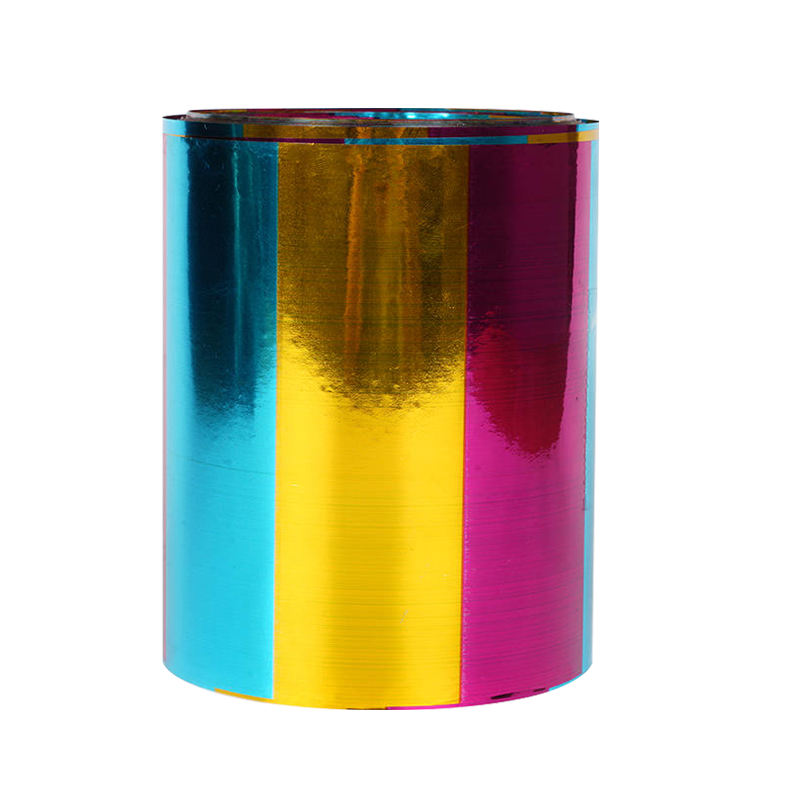
Metallic yarn is a specialized textile thread engineered to introduce a luminous, reflective quality to fabrics. It fundamentally transforms ordinary textiles into premium, eye-catching materials by blending traditional fibers with metallic elements. This guide explores its composition, practical applications, and essential maintenance, providing a clear roadmap for designers and manufacturers looking to leverage its unique aesthetic properties.
The Composition and Manufacturing of Metallic Yarn
Understanding how metallic yarn is made is crucial for selecting the right type for a specific project. The manufacturing process has evolved significantly, moving from solid metal strips to highly flexible, composite threads.
Core Materials
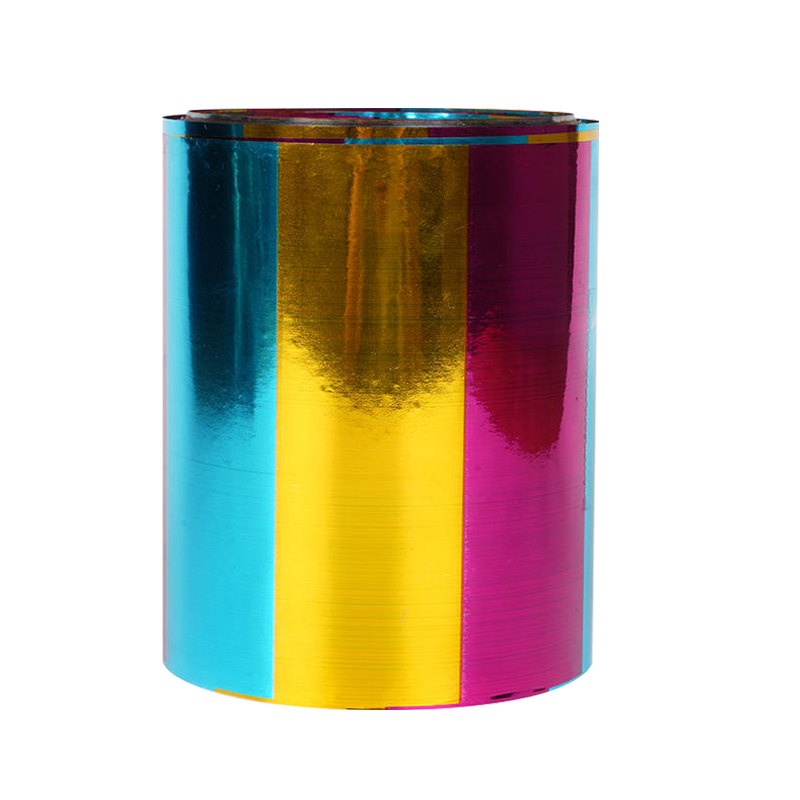
Modern metallic yarns typically consist of a thin layer of metal, such as aluminum or silver, laminated to a supportive film like polyester. In many cases, a protective resin coating is applied to prevent oxidation and enhance durability. This layered structure ensures the yarn retains its shine while remaining pliable enough for weaving and knitting.
Production Techniques
The production generally involves vaporizing the metal and depositing it onto the film under high vacuum conditions. This metalized film is then slit into extremely narrow, fine ribbons. These ribbons can be used alone or wrapped around a central core yarn, such as cotton or nylon, to create a more robust thread that can withstand industrial weaving processes.
Key Applications in Fashion and Design
The primary appeal of metallic yarn lies in its versatility across various design disciplines. Its ability to reflect light makes it a staple in both seasonal fashion and permanent interior installations.
High-Fashion and Apparel
In the fashion industry, metallic yarn is frequently woven into evening wear, bridal gowns, and theatrical costumes. Designers often use it as an accent thread in embroidery or weave it directly into jacquard fabrics to create intricate, shimmering patterns. It adds perceived value and visual depth to garments, making them stand out under both natural and artificial lighting.
Interior Decor and Upholstery
Beyond clothing, metallic yarn is highly sought after in home textiles. It is integrated into upholstery fabrics, drapery, and decorative pillows to introduce a touch of luxury. Because these yarns can be engineered for high abrasion resistance, they are suitable for frequently used furniture, offering both aesthetic appeal and functional longevity.
Advantages of Incorporating Metallic Yarn
Integrating metallic elements into textiles offers several distinct benefits that go beyond mere visual appeal.
- Enhances the visual texture and dimensional depth of the fabric.
- Provides excellent light reflection, which can make spaces appear larger and brighter.
- Increases the perceived market value of the finished product.
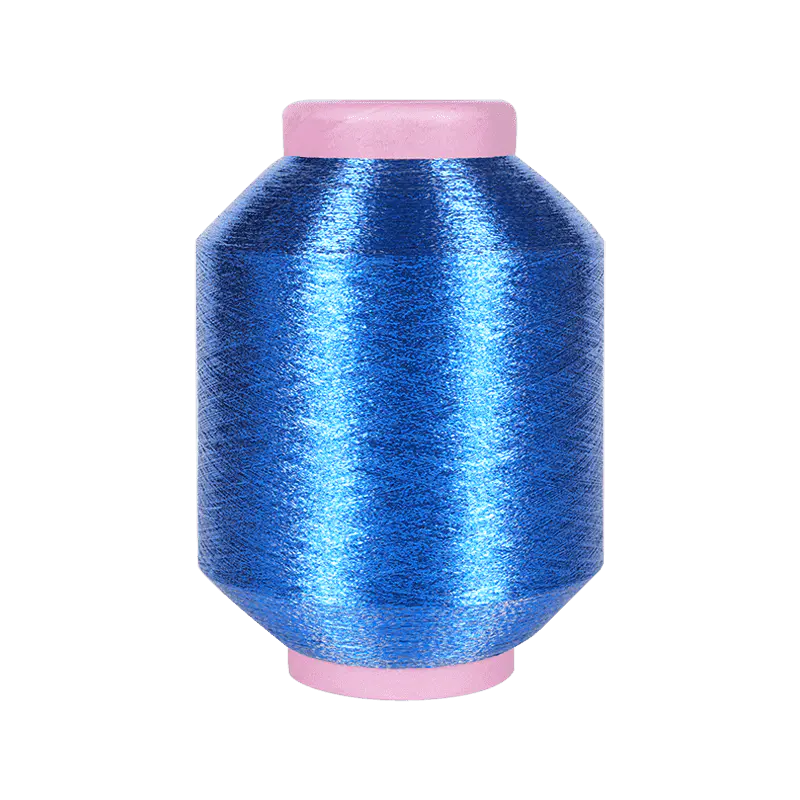
- Offers high customization potential, as the yarn can be dyed or toned to match specific color palettes.
Care and Maintenance Guidelines
Fabrics containing metallic yarn require specific care to maintain their luster and structural integrity. The metal components, though coated, can be sensitive to harsh chemicals and high heat.
- Always wash metallic-infused fabrics in cold water using a gentle cycle to prevent bending or breaking the metallic strips.
- Avoid using bleach or strong alkaline detergents, as they can degrade the protective resin coating and cause tarnishing.
- Do not wring or twist the fabric forcefully; instead, gently squeeze out excess water.
- Air dry the items away from direct sunlight. If machine drying is necessary, use a low-heat or air-only setting.
- When ironing, use a low-temperature setting and place a pressing cloth between the iron and the fabric to prevent melting or sticking.
Comparing Metallic Yarn Types
Different manufacturing techniques result in varying types of metallic yarn, each suited for specific applications. Understanding these differences helps in selecting the optimal thread for your project.
| Yarn Type | Structure | Best Suited For |
|---|---|---|
| M-Type (Metallic) | Single slit ribbon | Lightweight embroidery |
| MX-Type | Twisted with core yarn | Woven apparel fabrics |
| MH-Type | Multi-layered laminate | Heavy upholstery |
Future Trends in Textile Innovation
The future of metallic yarn is leaning heavily towards sustainability and smart textiles. Manufacturers are exploring ways to use recycled films as the base for metalization, reducing the environmental footprint of these luxurious threads. Furthermore, research is actively being conducted to integrate conductive metallic yarns into wearable technology, allowing fabrics to transmit electrical signals. This bridges the gap between decorative textiles and functional, interactive garments, ensuring that metallic yarn remains at the forefront of textile innovation.