English
 русский
 Español
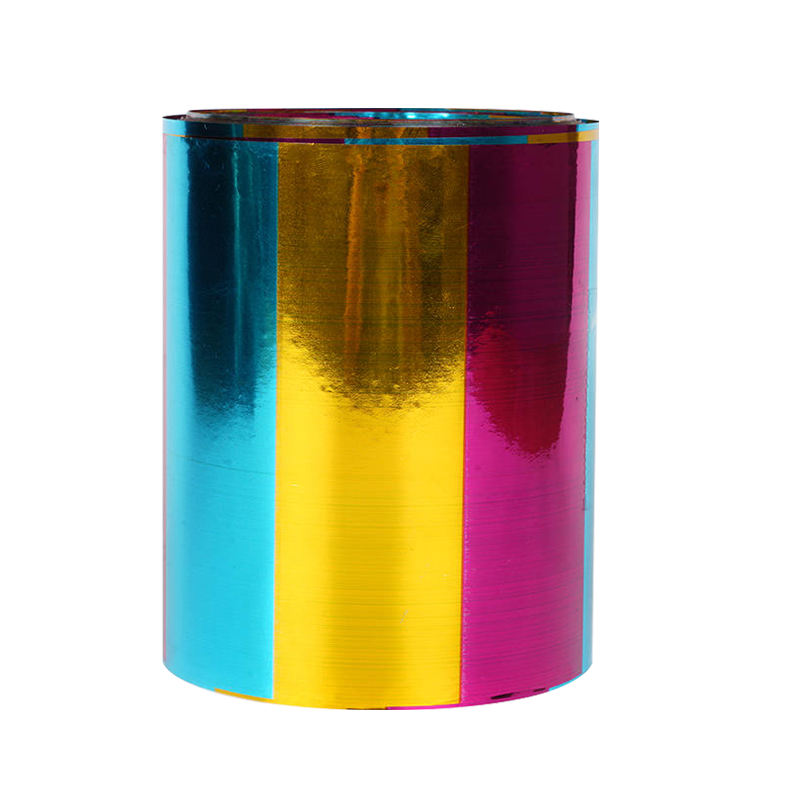
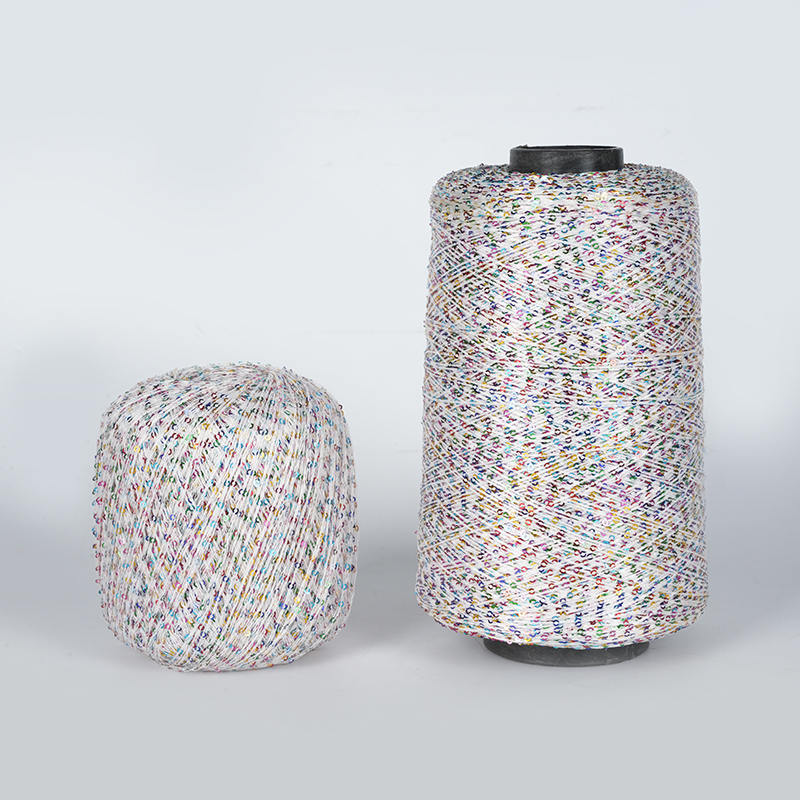
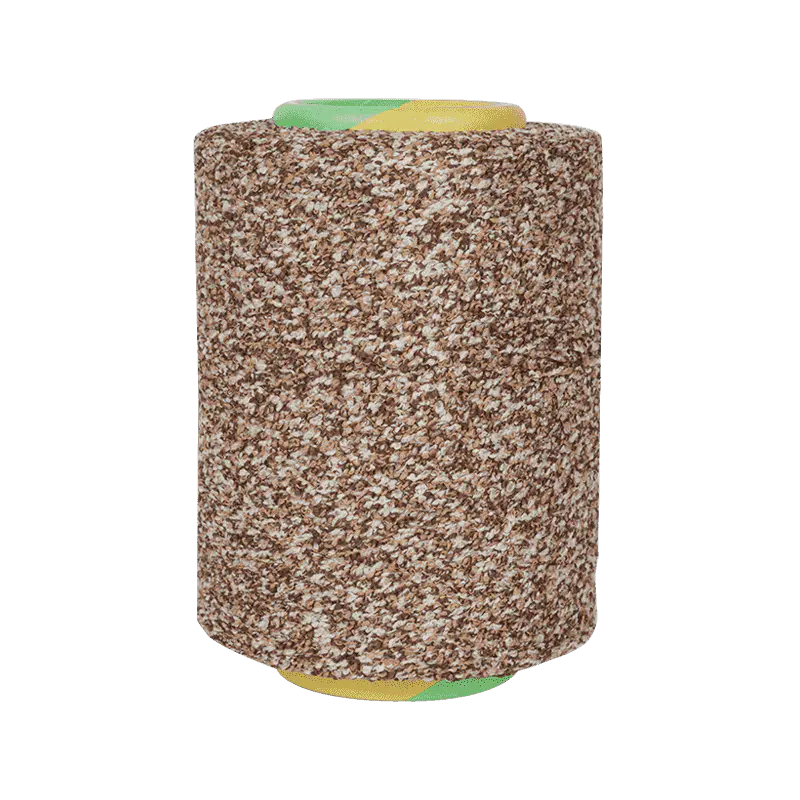
Color polyester yarn is a pre-dyed synthetic fiber yarn with comprehensive advantages of stable color performance, high durability, cost-effectiveness and wide adaptability. Compared with traditional post-dyed polyester yarn, it avoids secondary dyeing pollution, improves textile production efficiency by more than 20%, and retains the inherent high strength, wear resistance and wrinkle resistance of polyester fibers. It has become one of the most mainstream raw materials in modern textile industry, widely used in clothing, home textiles, industrial textiles and other fields, with irreplaceable practical value and market prospects.
Basic Definition and Production Principle of Color Polyester Yarn
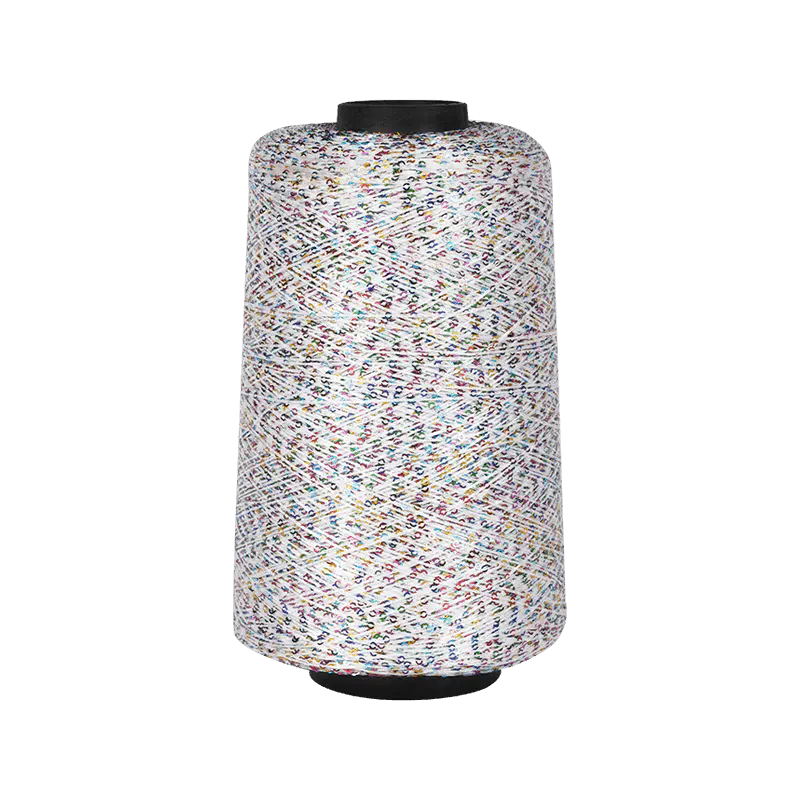
Color polyester yarn refers to polyester filament or staple yarn that completes color coloring in the fiber spinning stage, rather than dyeing the finished grey fabric later. The core production process is to mix high-temperature resistant color masterbatch with polyester chip raw materials evenly, and carry out melt spinning, stretching and shaping under professional equipment, so that the color pigment is completely fused with the fiber molecular structure, forming uniformly colored polyester yarn products.
This integral coloring method is fundamentally different from traditional textile post-dyeing. Traditional polyester textiles are spun into white blank yarn first, and then dyed, printed and sized after weaving into fabrics. In contrast, color polyester yarn realizes fiber coloring at the source of production, which solves the problems of uneven surface color, easy color fading and residual dyeing auxiliaries existing in post-dyed products.
Key Production Process Links
- Raw material proportioning: Select high-purity polyester chips and environment-friendly color masterbatch, and adjust the proportion according to the required color depth and fiber specification to ensure uniform color mixing without color difference.
- Melt extrusion: Heat the mixed raw materials to melting state, and extrude them into fine fiber filaments through spinnerets under constant pressure and temperature.
- Stretching and setting: Carry out multi-stage stretching on the extruded fibers to improve fiber compactness and strength, and fix the fiber shape and color structure through constant temperature setting.
- Winding and forming: Wind the shaped colored fibers into standard yarn rolls to complete finished product production, which can be directly used for subsequent weaving and knitting processing.
Core Performance Advantages of Color Polyester Yarn
Color polyester yarn inherits all excellent physical properties of ordinary polyester fibers, and has unique color performance advantages due to the integral coloring process. Its comprehensive performance is far better than ordinary post-dyed polyester yarn, which is the core reason for its wide promotion and application in the textile industry.
Superior Color Fastness Performance
The color fastness of qualified color polyester yarn can reach level 4 to level 5, including washing fastness, rubbing fastness and light fastness. Because the color masterbatch is fused inside the fiber molecular chain, the pigment will not fall off easily due to external washing, friction and light irradiation. In contrast, the color fastness of traditional post-dyed polyester yarn is mostly level 3 to level 4, and it is prone to fading and color bleeding after multiple washes.
In long-term outdoor use and daily washing scenarios, color polyester yarn fabrics can maintain stable color brightness, no obvious color fading, discoloration and color difference problems, which greatly improves the service life and appearance stability of textiles.
High Physical Strength and Wear Resistance
Color polyester yarn has high tensile strength and elastic recovery ability. Its fiber structure is compact and stable after high-temperature setting, not easy to deform, break and wrinkle. Fabrics woven with this yarn have good wear resistance and tear resistance, and can adapt to frequent friction and stretching in daily use and industrial scenarios.
Environmental Protection and Production Efficiency Advantages
The source coloring process of color polyester yarn cancels the subsequent high-pollution dyeing and printing links, reduces textile production water consumption by more than 30% and chemical agent usage by more than 25%, which conforms to the current green and environmental protection development trend of the textile industry. At the same time, the direct use of colored yarn for weaving omits the post-dyeing process, shortens the production cycle of textiles and significantly improves production efficiency.
Performance Comparison Between Color Polyester Yarn and Ordinary Polyester Yarn
In order to intuitively reflect the performance differences between color polyester yarn and traditional ordinary post-dyed polyester yarn, the core performance indicators are compared and summarized in the following table, covering color performance, production cost, environmental protection and application adaptability.
| Performance Index | Color Polyester Yarn | Ordinary Post-dyed Polyester Yarn |
|---|---|---|
| Color Fastness Level | 4-5 level | 3-4 level |
| Production Water Consumption | Low | High |
| Production Cycle | Short | Long |
| Color Uniformity | Uniform, no color difference | Slight color difference easily occurs |
| Environmental Protection | Green and pollution-free | Certain dyeing waste pollution |
It can be seen from the table that color polyester yarn has obvious comprehensive advantages in core indicators. Although the unit raw material cost is slightly higher than ordinary white polyester yarn, it saves a lot of dyeing processing costs and environmental treatment costs in the later stage, so the overall comprehensive cost is more competitive in mass production.
Main Application Fields of Color Polyester Yarn
With its stable performance, rich color options and environmental protection characteristics, color polyester yarn has penetrated into multiple core fields of the textile industry. It can meet the differentiated needs of clothing comfort, home textile aesthetics and industrial textile durability, and is a versatile textile raw material.
Garment Textile Field
Color polyester yarn is widely used in casual wear, sportswear, outdoor clothing and fashion accessories. Its good wrinkle resistance and shape retention make the clothes not easy to deform in daily wearing and cleaning. Excellent color fastness ensures that colored clothes will not fade and stain after washing, which greatly improves the wearing experience. At the same time, the yarn can be made into lightweight and breathable fabrics through process adjustment, meeting the comfort needs of daily clothing.
Home Textile Field
Home textile products such as curtains, bed linens, carpets and sofa fabrics have high requirements for color stability and durability. Color polyester yarn can maintain long-term color stability in indoor light and daily cleaning environments, avoiding aging and discoloration of home textile fabrics. In addition, it has good anti-pilling performance, which can keep home textile products flat and beautiful for a long time, reducing the frequency of replacement.
Industrial Textile Field
In industrial scenarios such as decorative fabrics, filter fabrics and protective textiles, color polyester yarn exerts its high strength and corrosion resistance. It can adapt to harsh environments such as long-term outdoor exposure and frequent friction, and maintain stable structural performance and color state. More than 40% of industrial colored textile products currently use color polyester yarn as the main raw material, which has become the preferred material for high durability industrial textiles.
Daily Maintenance and Usage Notes of Color Polyester Yarn Fabrics
Although color polyester yarn has excellent performance, correct use and maintenance can further extend the service life of its fabrics and maintain stable color and appearance. Combined with the fiber characteristics, the targeted usage and maintenance specifications are summarized as follows:
- Washing temperature control: It is recommended to use cold water or warm water below 40℃ for cleaning. Excessively high temperature will affect the fiber structure and cause slight color dimness, avoiding high-temperature boiling washing.
- Avoid strong chemical agents: Do not use high-concentration bleach and strong alkaline detergents, which will damage the surface structure of fibers and reduce color fastness, and neutral mild detergents are preferred.
- Drying and storage: It can be naturally dried in a ventilated place. Long-term exposure to strong ultraviolet light can be properly avoided to maintain long-term color brightness. Store in a dry and tidy environment to avoid moisture and mildew.
- Ironing requirements: The fabric has good wrinkle resistance, and low-temperature ironing can be used if necessary. High-temperature ironing is prohibited to prevent fiber melting and color change.
Industry Development Trend of Color Polyester Yarn
With the continuous upgrading of textile environmental protection policies and consumer demand for high-quality textiles, color polyester yarn is showing three major development trends: environmental upgrading, functional diversification and fine differentiation.
First, green environmental protection is further optimized. The industry is gradually promoting biodegradable and low-carbon color masterbatch and raw materials, reducing carbon emissions in the production process, and realizing full-process green production. Second, functional iteration is accelerated. On the basis of original coloring performance, color polyester yarn with anti-static, flame retardant, antibacterial and sun protection functions is continuously developed to expand its application scope.
Third, product differentiation is improved. For different application scenarios, customized color matching and yarn specification production are carried out to solve the problem of homogeneous products. The market demand for color polyester yarn maintains an annual growth rate of more than 8%, and it will continue to replace traditional post-dyed polyester yarn in the future, becoming the mainstream product of polyester textile raw materials.