English
 русский
 Español
News
Home / News / Industry News / How do Garment Fabric Dyeing and Finishing Processes Affect Fabric Performance and Wearing Experience?
Nonwovens Explained: How Bonded Fabrics Differ From Woven and Knitted Textiles
Sep 23,2026
Spandex Material Explained: Stretch Properties, Blend Ratios and Mill Practice
Sep 09,2026
What Is Twill Fabric? Weave Structure, Types, Weights, and Real-World Uses
Sep 16,2026
What Is Microfiber Made Of? Polyester, Polyamide Ratios and Fiber Facts
Sep 02,2026
Sequin Yarn for Knitting: Sparkle Effects & Fashion Textiles
Aug 26,2026In today's world, where fashion and functionality are increasingly intertwined, garment fabric is no longer just the basic material of clothing, but a key factor reflecting design philosophy, wearing experience, and quality. From fiber selection to weaving techniques, every piece of fabric embodies the meticulous consideration of designers and craftsmen.
The core of fabric lies in its fibers, and the type of fiber directly determines the feel, luster, and durability of the garment. Natural fibers such as cotton, linen, silk, and wool are widely used for their softness, breathability, and comfort. Cotton fibers' moisture absorption and breathability make them a preferred choice for everyday wear, while silk and wool are favored in the high-end market for their luster and warmth.
Chemical fibers such as polyester, nylon, and spandex achieve elasticity, wear resistance, and wrinkle resistance that natural fibers cannot match through the design of their molecular structure. In modern clothing, the blending of natural and chemical fibers has become a mainstream trend, which not only enhances the functionality of the fabric but also gives garments more design possibilities.
The choice of fiber type not only affects the performance of the fabric but also directly determines the weaving method, dyeing effect, and feasibility of subsequent processing. High-end clothing is more particular about fiber selection to ensure that the fabric achieves the best possible wearing experience and visual effect.
The weaving process of fabric is a crucial link in determining the texture and function of clothing. Fabric structures are mainly divided into three categories: plain weave, twill weave, and satin weave. Each structure gives the fabric different elasticity, drape, and durability. Plain weave is tight and uniform, with a smooth feel and durability; twill weave presents a unique diagonal pattern, combining aesthetics and comfort; satin weave stands out for its luster and softness, highlighting the elegant temperament of high-end clothing.
Knitted fabrics are formed by the continuous interweaving of loops, giving garments natural elasticity and a comfortable fit. The structure of knitted fabrics is flexible and versatile, easily achieving a balance of shrinkage, elasticity, and breathability, making them an important choice for sportswear and casual wear.
Weaving technology not only affects the appearance and feel of the fabric but also determines its functional performance. Different weaving densities, yarn diameter combinations, and yarn treatment methods directly impact the fabric's durability, elasticity, and drape, reflecting the professional level of fabric design.
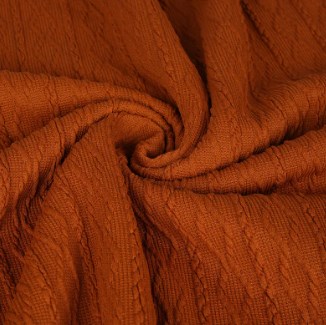
Dyeing and finishing processes are crucial steps in the final presentation of garment fabrics. Fabric dyeing is not just about imparting color; it also involves the affinity of the fibers to the dyes, color fastness, and subsequent gloss. Natural fibers, due of their good absorbency, produce rich and natural colors after dyeing; chemical fibers can achieve vibrant and long-lasting dyeing effects through high-temperature and high-pressure treatment.
Finishing processes endow fabrics with more functions and textures. Through anti-wrinkle, anti-shrinkage, anti-pilling, or special coating treatments, fabrics maintain their aesthetic appeal while achieving higher practical value. For example, softening treatments can improve the feel of the fabric, and functional finishes can enhance wear resistance and protection. These are indispensable professional details for high-quality clothing.
The refined operation of dyeing and finishing not only improves the aesthetic value of clothing but also directly affects the lifespan and wearing experience of the fabric. Professional fabric designers, through their deep understanding of dyeing and finishing processes, achieve the best balance between the visual and functional aspects of the fabric.
Modern clothing demands increasingly stringent functional requirements for fabrics. In addition to basic softness and comfort, functional fabrics emphasize multi-dimensional performance such as wrinkle resistance, breathability, waterproofing, windproofing, and temperature regulation. The combination of high-tech fibers and traditional fibers enables fabrics to possess more intelligent characteristics in daily wear.
Sports and outdoor clothing are particularly dependent on functional fabrics. Fabrics must not only meet the requirements of free movement and comfort but also possess wear resistance, quick-drying properties, and temperature and humidity regulation capabilities. These characteristics directly affect the wearer's experience and the lifespan of the clothing.
The development of functional fabrics is inseparable from in-depth research on fibers, structure, and finishing processes. The realization of each function requires precise control of the fabric's molecular structure, yarn organization, and surface treatment to ensure that the fabric performs stably and reliably in actual use.
The value of garment fabrics lies not only in their functionality but also in the dual sensory experience of touch and sight. The softness, luster, drape, and thickness of the fabric collectively shape the comfort of wearing and the overall style of the garment. High-end fabrics pursue delicate touch and a sophisticated visual appeal, making clothing not just a tool for wearing, but also an expression of a lifestyle.
When selecting fabrics, designers consider the style, purpose, and target audience of the garment, achieving a complete presentation of their design concept through the combination of tactile sensation and aesthetics. The texture and luster of the fabric itself directly determine the visual impact of the finished garment and the wearer's sense of confidence.
| Q1: Which is more suitable for everyday wear: natural fibers or synthetic fibers? | A1: Natural fibers are known for their comfort and breathability, while synthetic fibers are durable and easy to care for. Everyday wear often uses blends of both to balance comfort and functionality. |
| Q2: What are the main differences between knitted and woven fabrics? | A2: Knitted fabrics are elastic and have a close fit, while woven fabrics are more durable and stable. The choice depends on the intended use. |
| Q3: How do functional fabrics achieve waterproofing or breathability? | A3: Through fiber selection, special finishing processes, and membrane treatment, a balance is achieved between surface protection and internal breathability. |
| Q4: Does fabric dyeing affect the wearing experience? | A4: Dyeing affects the color and softness of the fabric. High-quality dyeing and finishing processes can enhance both visual appeal and tactile sensation. |
How can recycled yarn drive environmental protection and innovation in the textile industry?
2025-12-22How does Polyester Printing Fabric perform in terms of durability and color reproduction?
2026-01-08Your email address will not be published. Required fields are marked *