English
 русский
 Español
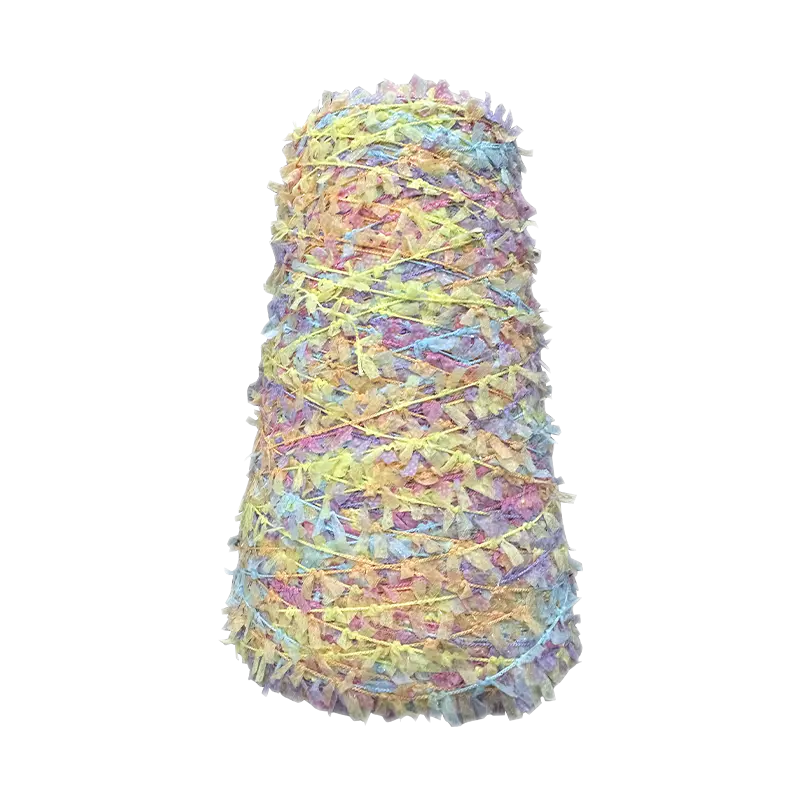
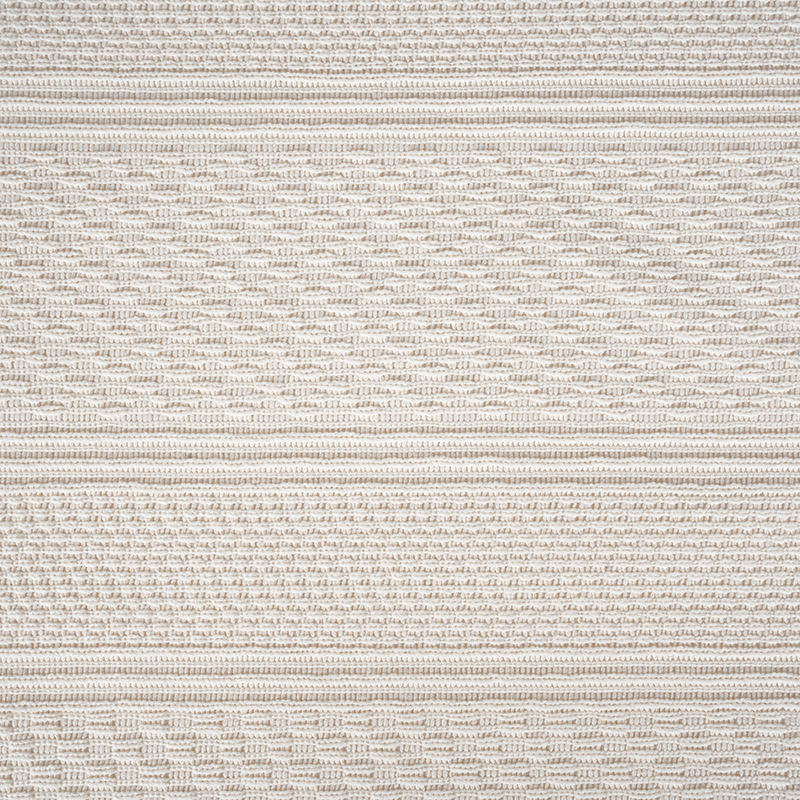
In the world of knitting, the choice of yarn is crucial, as it directly influences the final product's appearance, feel, durability, and overall functionality. This article dives deep into how knitted yarn quality impacts your finished pieces, focusing on various knitting projects, from sweaters to baby clothes. Understanding the differences between yarn types can elevate your projects significantly. Let’s explore.
How Yarn Quality Affects the Appearance of the Final Product
The quality of the yarn you choose plays a significant role in how the final knitted item looks. The fiber quality, color, and dyeing techniques can either enhance or degrade the appearance of the finished product. Lower-quality yarn tends to fray, lose its structure, or fade over time, while higher-quality yarn maintains its color and shape better, providing a more polished look.
Fiber Quality and Its Impact on Knitted Products
Yarn made from high-quality fibers (such as organic cotton or fine wool) creates a smoother, more uniform texture, contributing to a more professional-looking product. On the other hand, lower-quality yarns often have irregular fibers, which can lead to a rough texture, uneven stitches, and an overall less refined look.
| High-Quality Yarn | Low-Quality Yarn |
| Smooth texture, even stitches, and vibrant colors | Rough texture, uneven stitches, and fading colors |
| More durable, retains color over time | Prone to fraying and color loss after washing |
Color and Dyeing Techniques
Low-quality yarn tends to lose its dye over time, especially after multiple washes. This is particularly important when working with colors in your projects. A vibrant Knitted Yarn Color Trends for 2026 will provide a long-lasting finish to your knitting, ensuring the color remains consistent even after regular use.
How Yarn Quality Affects the Knitting Process
The knitting process can be greatly affected by the type of yarn chosen. High-quality yarns are more consistent in texture, making them easier to work with. They are less likely to split or tangle, leading to a smoother and more enjoyable knitting experience. Additionally, good yarn has a more stable tension, which means your stitches will be even, reducing the amount of rework needed.
Impact of Yarn Texture on Knitting Experience
For beginners, it's essential to pick a yarn that is soft and forgiving. Choosing the Best Knitted Yarn for Sweaters ensures that the yarn doesn’t become too slippery or difficult to manipulate, allowing for more control over the knitting process. In contrast, poor-quality yarn often has inconsistent thickness or a scratchy texture, which can frustrate beginners.
Strength and Durability of Yarn
High-quality yarn will not break or stretch easily. This makes it ideal for projects like sweaters that require consistent tension and longevity. Choosing the right yarn for your project ensures it holds up through wear and washing, reducing the likelihood of holes or distortion over time.
| High-Quality Yarn | Low-Quality Yarn |
| Strong and resistant to breakage, consistent thickness | Prone to snapping, inconsistent thickness |
| Great for long-term projects like sweaters | May lose shape or strength over time |
How Yarn Quality Affects the Durability of the Final Product
The durability of knitted items is a primary concern, especially for high-wear projects like sweaters and baby clothes. High-quality yarn not only retains its appearance but also holds its shape better over time. The yarn's strength and resilience directly affect how well the item stands up to daily use and washing.
Wear and Tear Resistance
Yarn that’s made from premium fibers will show much less wear and tear compared to cheaper alternatives. For items like Knitted Yarn for Baby Clothes, durability is critical. Since these products are often washed and worn frequently, it’s important to use yarn that can withstand frequent washing without compromising its softness or shape.
Shrinkage and Deformation
In low-quality yarn, shrinkage after washing can cause the final product to lose its fit and texture. Premium yarns, on the other hand, often undergo special treatments to minimize shrinkage and deformation, ensuring that your sweater, scarf, or baby blanket retains its size and shape even after multiple washes.
How to Choose the Right Yarn for Beginners
For those just starting with knitting, selecting the right yarn is crucial for ensuring a positive experience. A good Knitted Yarn for Beginners should be soft, smooth, and easy to handle. It should also come in a manageable thickness, with a nice consistency that prevents frustration during the learning process.
Recommended Yarn Features for Beginners
- Soft texture that doesn’t irritate the skin
- Medium thickness that’s easy to manage and stitch
- Even color and no splitting or fraying
How Yarn Quality Affects Functionality and Use
Choosing the right yarn affects the functionality of the knitted product. Whether you’re knitting a cozy sweater, a durable baby blanket, or a stylish scarf, the quality of the yarn will influence the item’s functionality and usability. Premium yarns offer superior comfort, breathability, and resistance to wear, making them ideal for specific projects like sweaters or baby clothes.
Different Projects Require Different Yarn Qualities
- Knitted Yarn for Baby Clothes should be soft, hypoallergenic, and easy to wash.
- Best Knitted Yarn for Sweaters needs to balance warmth with breathability, maintaining comfort while offering durability.
How to Evaluate and Choose High-Quality Yarn
When selecting yarn, it’s essential to check the fiber content, texture, colorfastness, and overall feel. Evaluating the yarn’s thickness and tensile strength can help you determine its suitability for your project. Always choose yarn that aligns with the requirements of your specific project to achieve the best results.
Evaluating Yarn Quality
- Check the fiber content for softness and durability.
- Ensure color consistency and resistance to fading.
- Test the yarn’s strength by pulling gently to check its elasticity.
Conclusion
The quality of your knitted yarn plays a fundamental role in the outcome of your project. Whether you’re knitting a sweater, scarf, or baby blanket, the right yarn can make all the difference. Pay attention to the yarn’s texture, durability, and fiber content to ensure that your finished product not only looks great but also lasts for years to come.
FAQs
1. What is the best yarn for beginners?
The best yarn for beginners is soft, smooth, and easy to handle. Opt for medium-thickness yarn that doesn’t fray or split easily.
2. Does yarn quality affect the texture of the final product?
Yes, high-quality yarn will produce a smoother, more uniform texture compared to low-quality yarn, which can lead to roughness and unevenness.
3. How do I choose the right yarn for baby clothes?
For baby clothes, choose yarn that is soft, hypoallergenic, and easy to wash. Organic cotton or soft wool are excellent choices.
4. What is the difference between high-quality and low-quality yarn?
High-quality yarn is smoother, more durable, and retains color better over time, while low-quality yarn tends to fray, lose color, and become rough after use.
5. How can yarn quality affect the longevity of my project?
Yarn quality affects the durability of your project. Higher-quality yarns are more resistant to wear and tear, shrinkage, and fading, ensuring your project lasts longer.