English
 русский
 Español
News
Home / News / Industry News / What Are the Different Types of Metallic Yarn and How Do They Affect Fabric Quality?
What Is Tex in Textiles? The Linear Density Unit Every Buyer Must Know
Oct 07,2026
Sofa Cloth Material Explained: How to Compare Durability, Weave Types and Cost
Sep 30,2026
Nonwovens Explained: How Bonded Fabrics Differ From Woven and Knitted Textiles
Sep 23,2026
Spandex Material Explained: Stretch Properties, Blend Ratios and Mill Practice
Sep 09,2026
What Is Twill Fabric? Weave Structure, Types, Weights, and Real-World Uses
Sep 16,2026Metallic yarn has become an essential element in the textile industry, especially for fashion and interior design. Known for its shimmer and versatility, metallic yarn is used to enhance the visual appeal of fabrics. This article explores the different types of metallic yarn, their impact on fabric quality, and key factors to consider when choosing the right one for your projects. We’ll also discuss the eco-friendly options and compare metallic yarn vs. regular yarn in terms of performance and suitability for various applications.
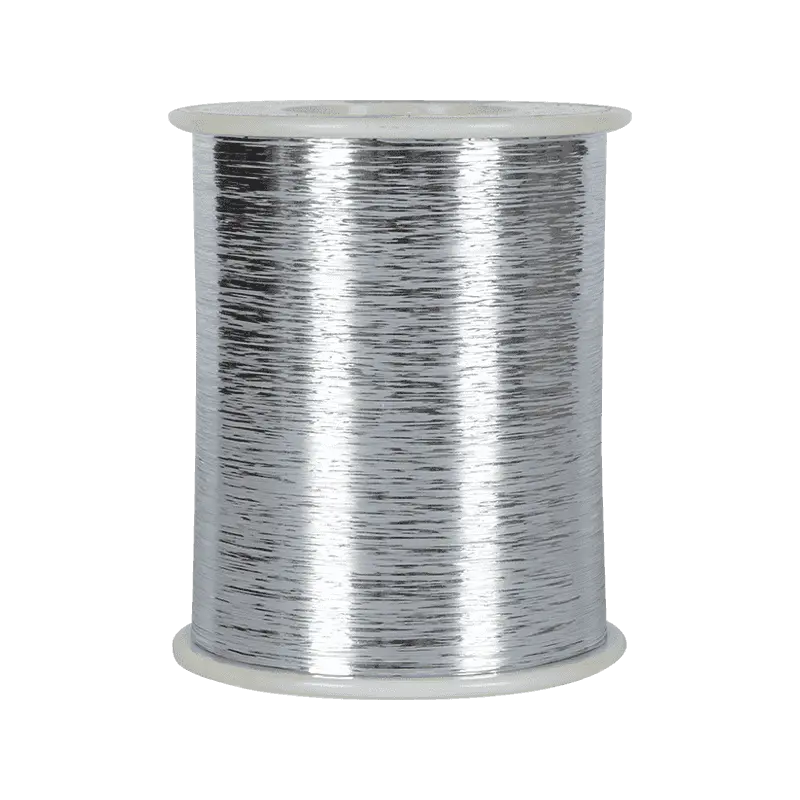
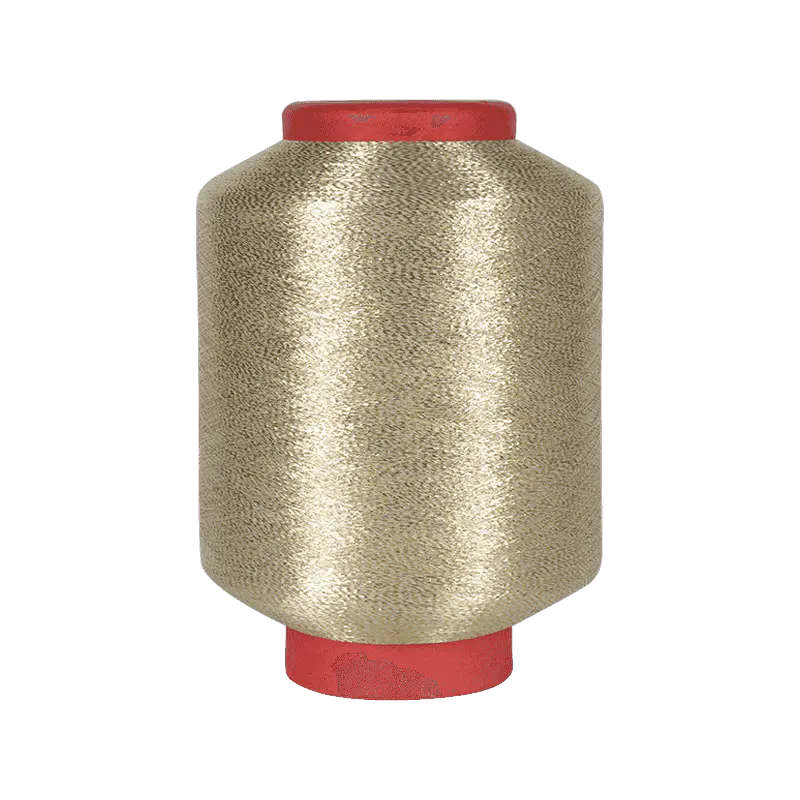
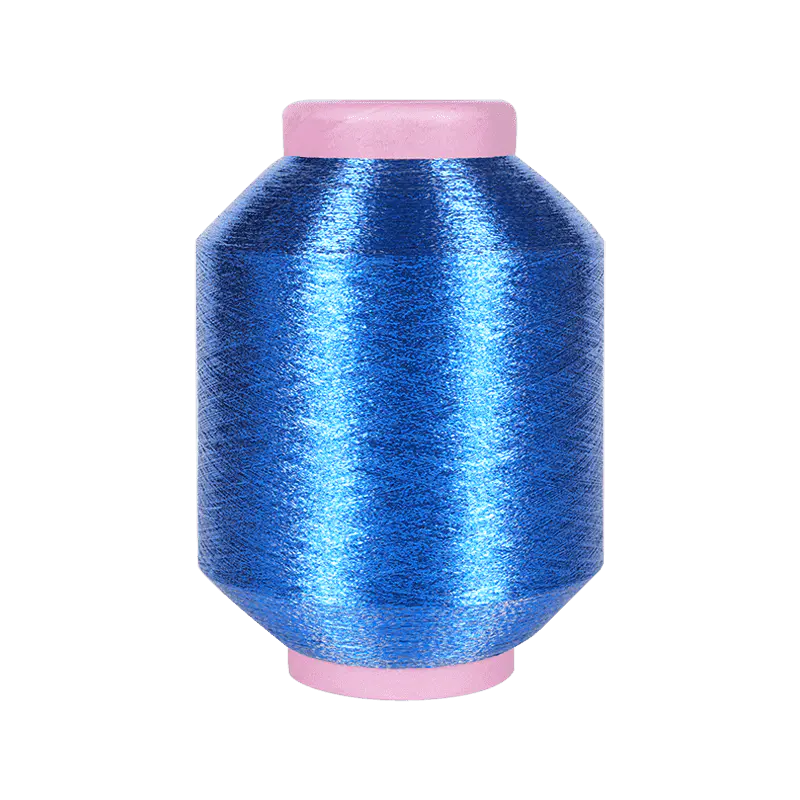
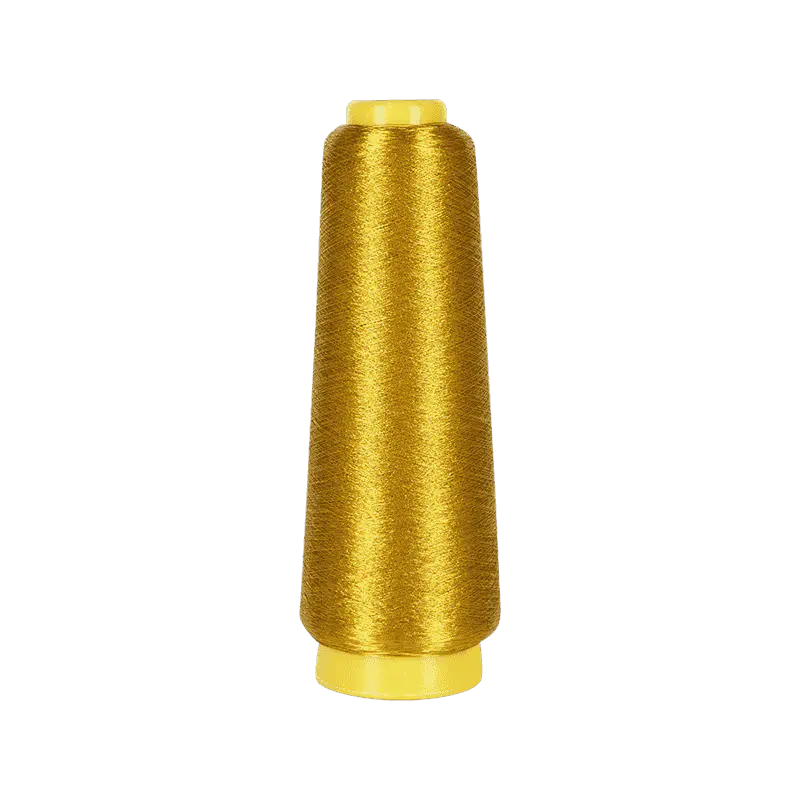
Metallic yarn refers to yarn that is either completely or partially composed of metal or metallic-coated fibers. It can be used to add a shiny, reflective quality to fabrics, making it highly popular in fashion, home décor, and specialty textiles. Metallic yarn is created by combining traditional textile fibers, such as polyester, with fine strands of metal or metallic-coated materials like aluminum, copper, or brass. The result is a yarn that maintains the flexibility of fabric while adding a visually striking shine.
As sustainability becomes a key trend in the fashion and textile industries, eco-friendly metallic yarn options have emerged. These yarns are often made using recycled materials or biodegradable substances that have a lower environmental impact compared to traditional metallic yarns.
| Eco-Friendly Metallic Yarn | Regular Metallic Yarn |
| Made from recycled fibers or natural materials | Typically produced using synthetic materials coated with metals |
| Biodegradable and less harmful to the environment | Non-biodegradable materials can contribute to pollution |
| Offers a sustainable solution for eco-conscious consumers | More affordable and widely available |
The choice between eco-friendly and regular metallic yarn largely depends on the priorities of the manufacturer or designer. While eco-friendly options tend to have a higher price point, they offer long-term benefits in terms of environmental impact. On the other hand, regular metallic yarn remains more affordable but may not align with sustainability goals.
Another consideration when selecting metallic yarn is whether to use synthetic or natural metallic yarn. Synthetic metallic yarns, such as those made from polyester or nylon, are generally stronger and more durable. These yarns maintain their shine longer and are more resistant to wear and tear. However, they may not offer the same breathability or natural feel as their natural counterparts, such as cotton or silk, combined with metallic threads.
| Synthetic Metallic Yarn | Natural Metallic Yarn |
| Stronger and more durable | Typically softer and more breathable |
| Resistant to damage and fading | May wear out faster than synthetic options |
| Less environmental impact due to its longer lifespan | More environmentally friendly, especially if biodegradable |
The visual appeal of metallic yarn is largely influenced by its shine level. High-shine metallic yarns are used for their bold, reflective qualities that stand out in fashion pieces, luxury garments, or costumes. On the other hand, low-shine metallic yarns provide a subtler effect, perfect for more understated designs or fabrics that require a slight touch of shine without overwhelming the look.
| High-Shine Metallic Yarn | Low-Shine Metallic Yarn |
| Reflective and bright, often used in high-fashion garments | Subtle shine, used for casual or daily wear fabrics |
| Ideal for costume design, evening wear, and luxury textiles | Great for minimalistic designs, where the focus is on texture |
| May show wear and tear faster due to its exposed reflective surface | More durable and resistant to signs of wear |
Some metallic yarns are designed with special functions beyond just adding shine to the fabric. For example, metallic yarns with anti-microbial properties are used in medical textiles, while others may have UV protection or flame-resistant characteristics. These types of yarn offer added benefits, making them suitable for technical fabrics or functional apparel.
Metallic yarns can enhance the durability of a fabric, particularly in terms of abrasion resistance. Fabrics made with metallic yarn are often more resilient, as the metal fibers can reinforce the textile. This makes them ideal for garments and upholstery that undergo frequent wear or stress.
Although metallic yarns provide strength, they can sometimes impact the elasticity and overall comfort of the fabric. While synthetic metallic yarns tend to be rigid, natural metallic yarns may offer better flexibility and softness. Choosing the right type of metallic yarn based on the desired level of comfort and stretchability is crucial.
The key benefit of using metallic yarn is the aesthetic quality it adds to fabrics. Whether it’s the high-shine or low-shine effect, metallic yarn creates visually striking fabrics. Designers often use metallic yarn in evening wear, decorative textiles, and accessories, where the appearance of the fabric is a top priority.
The hand feel and weight of a fabric made with metallic yarn will depend on the thickness of the metallic threads and the blend of materials. For example, fabrics with thicker metallic yarns will generally feel heavier, while those with finer metallic threads will feel lighter and more breathable.
Choosing the right metallic yarn depends on the type of project you’re working on. For knitting or crochet projects, consider the texture and flexibility of the yarn. Fine metallic yarns are ideal for intricate designs, while bulkier options may be more suitable for larger, bolder projects. If you're new to working with metallic yarn, it’s best to start with affordable, beginner-friendly options that offer ease of use and lower maintenance.
When deciding between metallic yarn and regular yarn for crafting, there are several factors to consider, such as the fabric's purpose, durability, and visual appeal. Regular yarn is often more flexible and easier to work with, making it a good choice for everyday wear. However, if you’re aiming to create eye-catching designs or high-fashion garments, metallic yarn may be the superior option due to its unique shimmer and shine.
| Metallic Yarn | Regular Yarn |
| Great for adding visual impact and shimmer | Ideal for comfort, flexibility, and ease of use |
| Stronger, more durable in high-wear situations | Less durable but easier to handle for beginners |
| Used in fashion, home décor, and decorative pieces | Used in everyday garments and accessories |
In conclusion, the choice between different types of metallic yarn depends on various factors, including the desired fabric characteristics, sustainability goals, and the specific needs of your project. Whether you’re working on a high-end fashion piece or a casual crochet project, understanding the different types of metallic yarn and their impact on fabric quality will help you make an informed decision. Always consider the visual appeal, durability, and comfort when selecting metallic yarn to achieve the best results for your designs.
Metallic yarn is designed to add shine and reflective quality to fabrics, while regular yarn is typically softer and more flexible for everyday use.
Yes, metallic yarn can be used for various fabric types, but it’s best suited for decorative and fashion textiles.
Yes, eco-friendly metallic yarn often costs more due to the sustainable production methods used.
Yes, metallic yarn adds durability to fabrics, especially in terms of abrasion resistance and overall strength.
While metallic yarn can be more challenging to work with, beginners can start with affordable and easier-to-handle options.
Why Is Color Polyester Yarn Becoming the Preferred Choice for Sustainable Fashion?
2026-02-01Why Is Fancy Yarn Becoming Popular in Home Decor?
2026-02-15Your email address will not be published. Required fields are marked *