English
 русский
 Español
News
Home / News / Industry News / Sofa Cloth Material Explained: How to Compare Durability, Weave Types and Cost
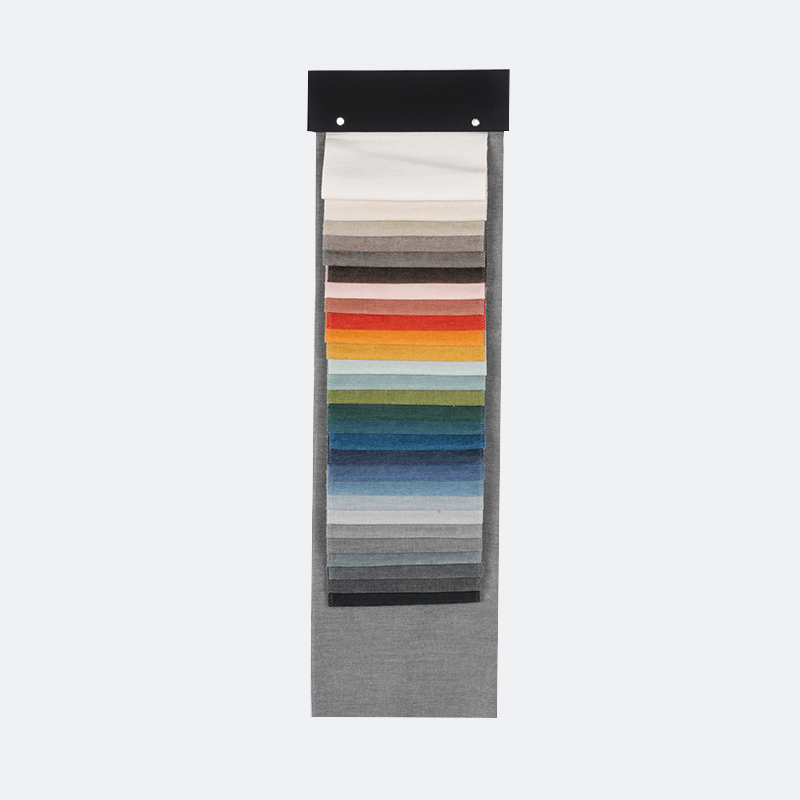
Sofa Cloth Material Explained: How to Compare Durability, Weave Types and Cost
Sep 30,2026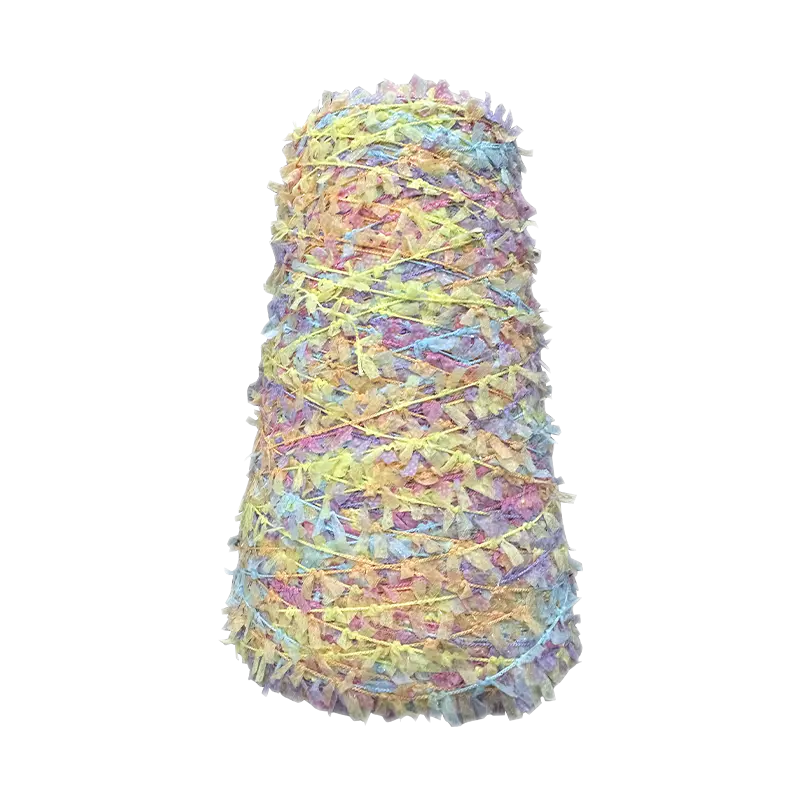
Nonwovens Explained: How Bonded Fabrics Differ From Woven and Knitted Textiles
Sep 23,2026
Spandex Material Explained: Stretch Properties, Blend Ratios and Mill Practice
Sep 09,2026
What Is Twill Fabric? Weave Structure, Types, Weights, and Real-World Uses
Sep 16,2026
What Is Microfiber Made Of? Polyester, Polyamide Ratios and Fiber Facts
Sep 02,2026The fiber a sofa cloth material is spun from decides most of its long-term behavior before weave or finishing even enter the picture. Fiber choice sets moisture uptake, the abrasion ceiling, pilling tendency and how the cloth takes dye, so settle it first and treat color as the last variable, not the first.
Natural fibers still earn their place. Cotton breathes and softens with age, but its standard moisture regain of about 8.5 percent means it absorbs spills and body oils, which is why most heavy-duty cotton upholstery is actually a polyester blend. Linen brings strength and a crisp hand yet creases visibly under sitting pressure. Wool is resilient and naturally flame resistant, but it costs more and needs moth protection to survive a decade.
Synthetics dominate practical upholstery for measurable reasons. Polyester regains only about 0.4 percent moisture, so water-based stains stay near the surface instead of bonding into the fiber. Solution-dyed filaments carry pigment all the way through, lifting lightfastness far beyond piece-dyed cloth. Olefin absorbs virtually no water, which makes it the default recommendation for pet households. Acrylic, spun to mimic wool, holds lofty pile shapes in velvets without the weight.
For a deeper breakdown of how these two families behave around the house, this comparison of natural and synthetic home textile fibers covers the trade-offs in detail.
Mills that spin their own yarn control these fiber behaviors at the source rather than buying them in:
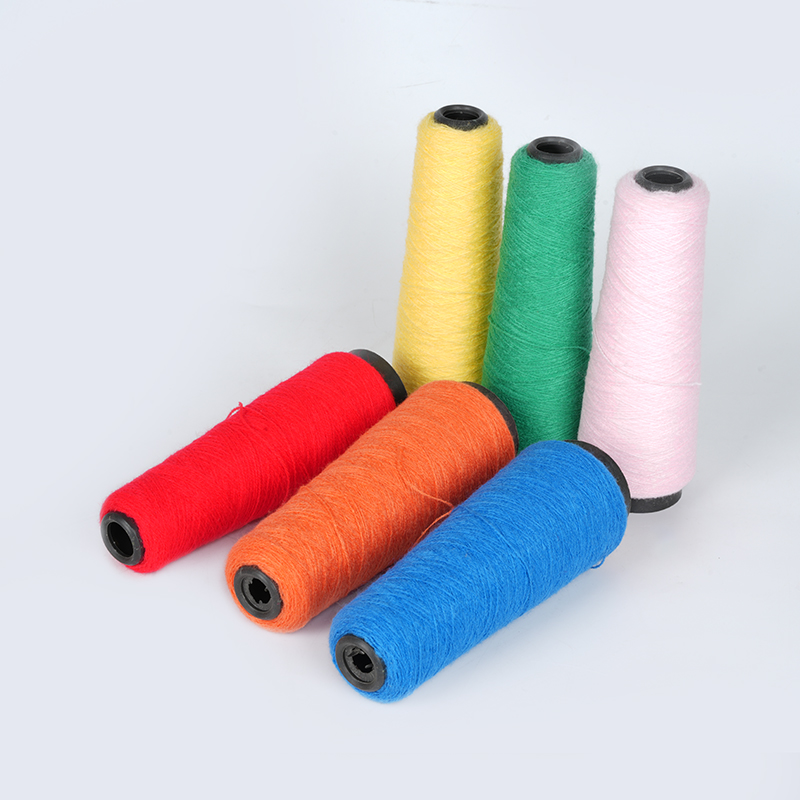 Acrylic Yarn for Customized Spinning NeedsThis mill-spun synthetic yarn mimics cotton and wool, with twist levels adjusted for softness or strength. Seeing how acrylic fiber is produced in-house helps buyers judge abrasion behavior before comparing finished upholstery cloth.View Product →
Abrasion test results predict how long an upholstery cloth will survive daily use better than any other figure on a spec sheet. Treat them as a purchase gate: if a supplier cannot state the test method and the cycle count for the exact construction you are buying, keep shopping.
Europe uses the Martindale test, which rubs a flat specimen in a changing figure pattern until the surface breaks down; North America uses the Wyzenbeek, counted in double rubs. The two scales are not directly convertible, so always compare like with like. As a working scale in Martindale cycles, below 15,000 suits decorative pieces, 15,000 to 25,000 covers everyday domestic seating, 25,000 to 40,000 handles heavy family use, and 100,000 plus is contract territory for hotels and offices.
Three checks turn a printed number into a real guarantee:
Two cloths spun from the same fiber and rated at the same rub count can still age differently, because weave and surface structure control pilling, shading and snagging.
A tight plain weave is the workhorse: flat, abrasion friendly and easy to vacuum, though it hides soil less than textured surfaces do. Chenille and velvet use cut or raised pile built from brushed and twisted yarns; the softness is real, but pile can crush and shade along armrests, so density and twist decide quality. Boucle loops look rich and tactile yet snag on claws. Jacquard weaves the pattern into the structure, so the design wears out with the cloth instead of printing off it.
| Construction | How it wears | Best suited to |
| Plain weave | Highest abrasion tolerance, low snag risk | Family rooms, rental and contract seating |
| Chenille | Soft hand, may shade where pressure repeats | Casual lounges that prioritize comfort |
| Velvet | Dense pile with directional shading | Statement pieces in lower-traffic rooms |
| Boucle loop | Textured and on trend, snags with pets | Accent chairs in pet-free spaces |
| Jacquard | Pattern is structural and long lasting | Statement sofas in traditional interiors |
Napped surfaces begin at the yarn, which is why sourcing teams ask mills about their fancy yarn lines before comparing finished cloth:
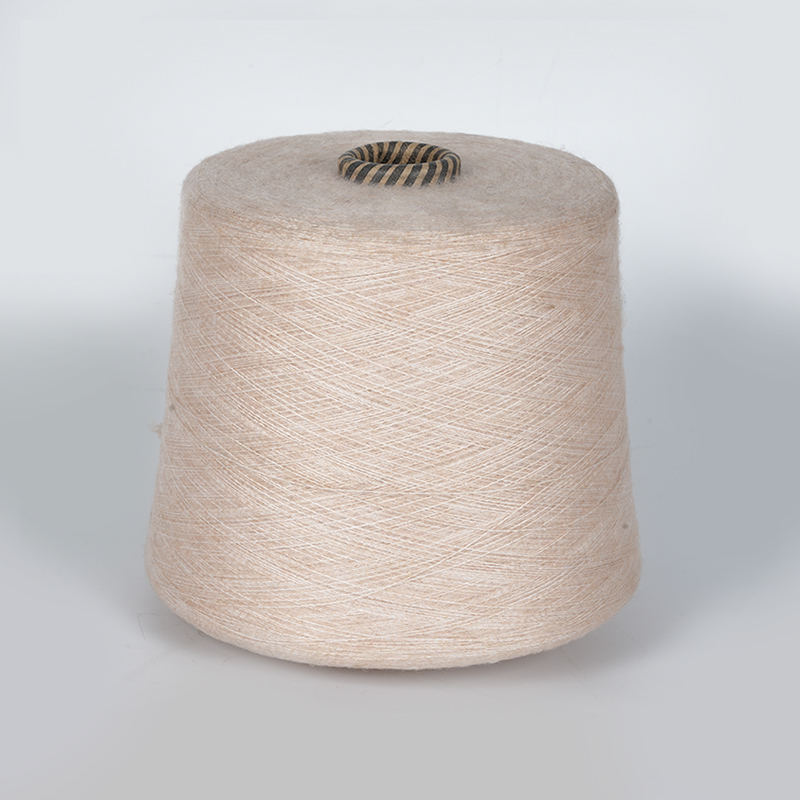 Napped and Feather Yarn for Fancy KnittingNapped yarn, also called feather yarn, offers a soft hand feel and vibrant colors and works on flat and multi-thread knitting machines. It matters here because napped surface quality starts at the yarn stage before finished cloth comparison.View Product →
Buyers who put five parameters in writing - abrasion cycles, pilling grade, colorfastness grades, flame standard and certification scope - prevent most quality disputes before production starts. Work through them in this order:
Supply integration matters as much as paperwork. Zhejiang Yangshi Textile Co., Ltd. (JinDun Textile Co., Ltd.), a Hangzhou-based mill with 18 years in textiles, has spun its own yarns since opening its metal yarn plant in 2010 and runs internal quality processes supported by Oeko-Tex and GRS certifications for its home textile range, with offices in Frankfurt and Bursa handling European and Turkish accounts. Vertical control from yarn to finished cloth is what keeps pile height and twist consistent across repeat orders.
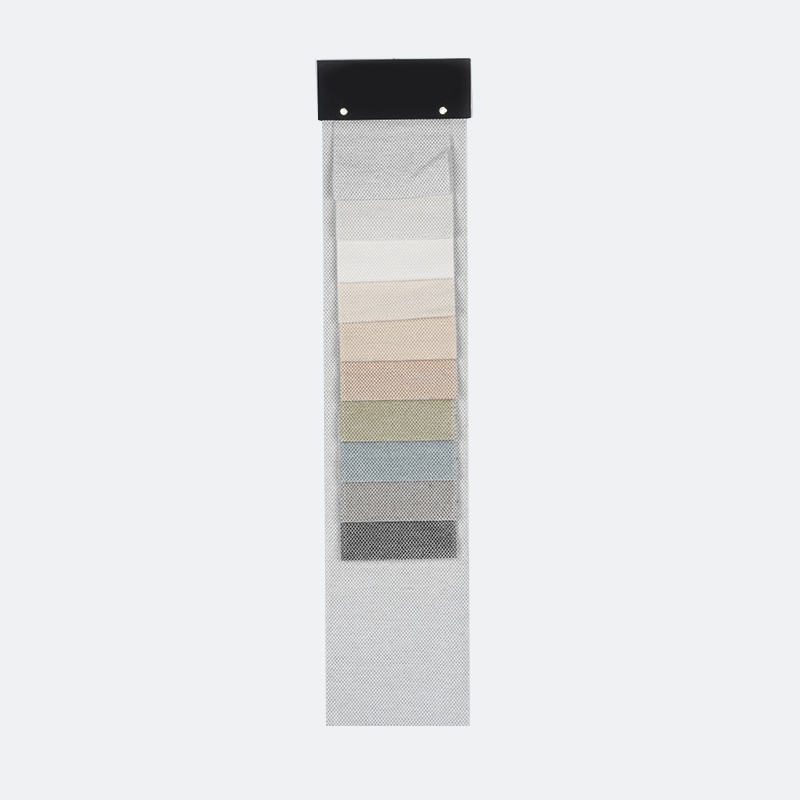 Polyester Upholstery Sofa FabricPolyester upholstery fabric imitates linen, cotton, and silk textures at low cost, with GRS and Oeko-Tex supported quality processes. High-abrasion woven constructions like this are worth checking against the 40,000-cycle Martindale benchmark.View Product →
A tight woven polyester or olefin construction rated above 40,000 Martindale cycles with a pilling grade of 4 to 5. Solution-dyed versions add the lightfastness that keeps armrests and seat edges from fading.
No. Weight in grams per square meter adds hand feel and cost, but durability tracks fiber type, yarn twist and weave density. A 350 GSM chenille with loose twist can wear out faster than a 280 GSM tight weave.
For everyday domestic use, buy at 15,000 to 25,000 cycles; for a family sofa with children or pets, specify 25,000 to 40,000. Reserve 100,000 plus for commercial projects where the premium is justified.
Modern recycled polyester generally performs close to virgin fiber in abrasion and colorfastness testing, but ask for batch test data and GRS documentation to confirm both performance and recycled content.
Your email address will not be published. Required fields are marked *