English
 русский
 Español
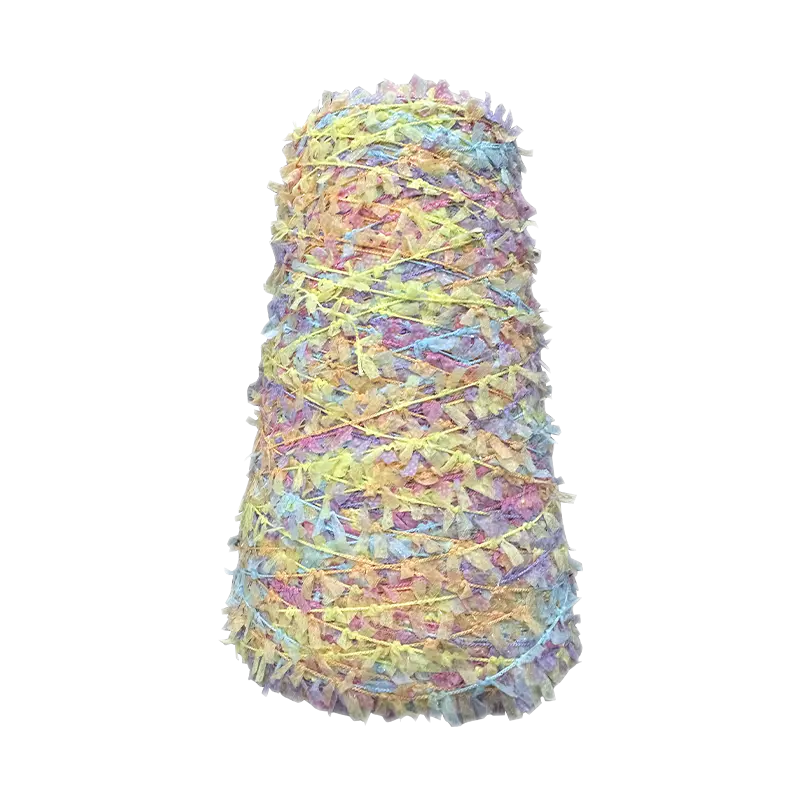
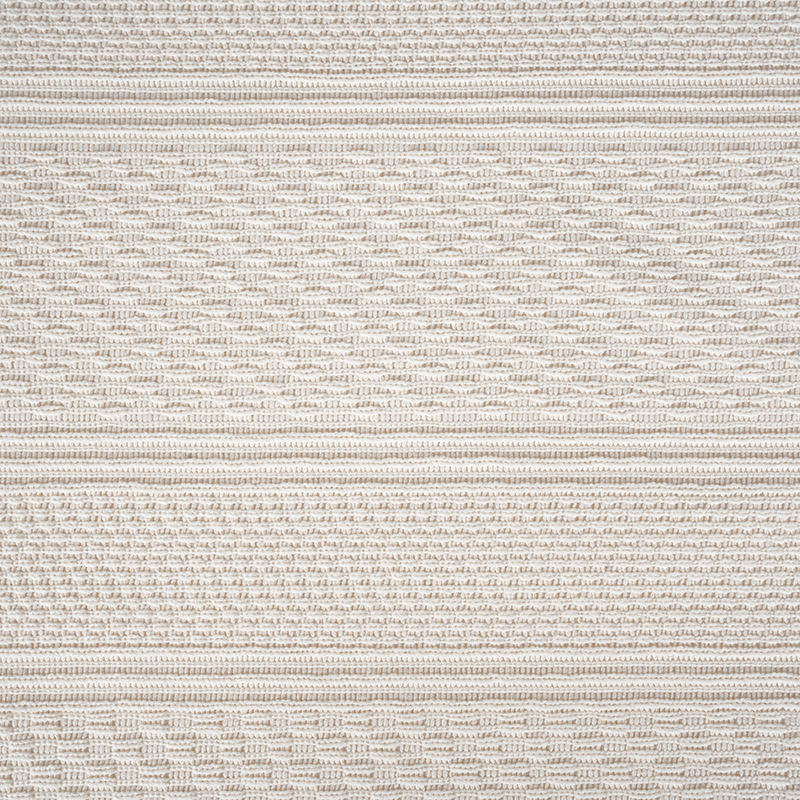
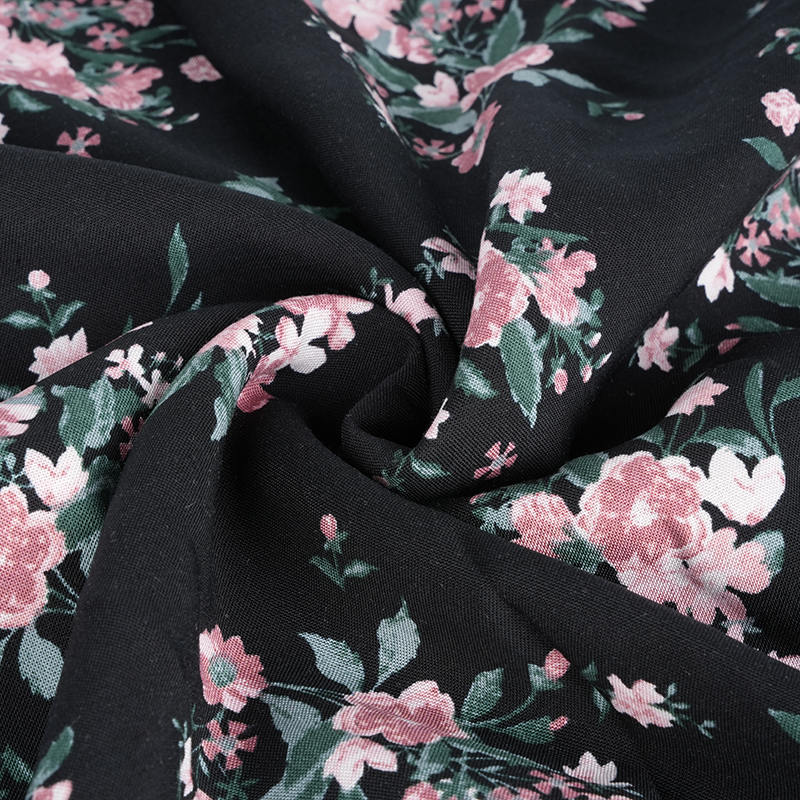
Recycled yarn is a high-value sustainable textile material made by reprocessing post-consumer and post-industrial textile waste, plastic bottles, and other fiber-containing scraps. It delivers the same performance as virgin yarn while reducing carbon emissions by over 50%, saving massive amounts of water and energy, and eliminating millions of tons of waste from landfills and oceans annually.
This material is no longer a niche alternative but a mainstream choice across the global textile industry, supporting circular economy goals and meeting the rising demand for eco-friendly products from consumers, brands, and regulatory bodies. Its consistent quality, versatile applications, and measurable environmental advantages make it an irreplaceable component of sustainable textile production.
Classification and Raw Material Sources of Recycled Yarn
Post-Industrial Recycled Yarn
Post-industrial recycled yarn originates from pre-consumer waste generated during textile manufacturing, including fiber offcuts, yarn leftovers, fabric scraps, and cutting waste from garment factories. These materials have not been used by consumers, so they maintain clean fiber structures and consistent compositions.
This type of recycled yarn features higher purity and easier processing, making it ideal for high-standard textile products such as sportswear, intimate apparel, and premium home textiles. It accounts for approximately 35% of total recycled yarn production worldwide and is widely used in closed-loop manufacturing systems.
Post-Consumer Recycled Yarn
Post-consumer recycled yarn is produced from used textile products and plastic waste, such as old clothing, discarded bed sheets, plastic drinking bottles, and industrial fiber waste. This category addresses the largest volume of global waste and represents the core of circular textile systems.
The most common raw material is PET plastic bottles, which are shredded, melted, and re-spun into recycled polyester yarn. One ton of recycled polyester yarn can replace over 60,000 plastic bottles, drastically reducing plastic pollution. Post-consumer recycled yarn makes up 65% of the global recycled yarn market due to its abundant raw material supply.
Common Fiber Types of Recycled Yarn
- Recycled polyester: the most widely produced type, suitable for clothing, luggage, and home textiles
- Recycled cotton: made from used cotton garments, ideal for casual wear and knitted products
- Recycled nylon: used in high-performance sportswear, socks, and industrial textiles
- Blended recycled yarn: combines two or more recycled fibers for enhanced performance
Complete Manufacturing Process of Recycled Yarn
Collection and Sorting of Raw Materials
The first step in recycled yarn production is the systematic collection and classification of waste materials. Textile waste is sorted by fiber type, color, purity, and usage history to ensure stable processing. Automated sorting machines and manual inspection are combined to improve efficiency and accuracy, reducing contamination rates to below 2% for high-quality yarn production.
Cleaning and Shredding
Sorted materials undergo thorough cleaning to remove dust, dyes, buttons, zippers, and non-fiber impurities. Then they are shredded into small fiber pieces or flakes using professional crushing equipment. This step breaks down the original textile structure while preserving fiber length, a key factor affecting final yarn strength and durability.
Fiber Reconstruction and Spinning
For mechanical recycling, shredded fibers are carded, drawn, and spun into new yarns. For chemical recycling, plastic flakes or fiber scraps are melted, filtered, and extruded into continuous filaments. Advanced spinning technology ensures that recycled yarn achieves 90% or higher performance level compared to virgin yarn, with consistent evenness and tensile strength.
Finishing and Quality Inspection
The final stage includes washing, dyeing, drying, and winding, followed by strict quality testing. Inspections cover tensile strength, color fastness, shrinkage rate, and fiber uniformity. Only yarn that meets international sustainable textile standards is packaged and delivered, ensuring reliability for end-use applications.
Environmental Advantages of Recycled Yarn
Recycled yarn provides measurable environmental benefits that make it a cornerstone of eco-friendly textile production. Compared to virgin fiber production, recycled yarn drastically reduces resource consumption and pollution across the entire lifecycle.
Energy and Carbon Emission Reduction
Producing recycled polyester uses 70% less energy than manufacturing virgin polyester. Recycled nylon reduces energy use by more than 50%, and recycled cotton cuts energy consumption by nearly 45%. Lower energy use directly translates to reduced carbon footprints, with recycled yarn lowering carbon emissions by an average of 55% per kilogram compared to virgin yarn.
Water Conservation and Pollution Prevention
Virgin fiber production requires massive water volumes for cultivation, processing, and dyeing. Recycled yarn reduces water usage by over 80% in most cases and eliminates harmful chemical discharge from pesticide use and fiber extraction. This protects freshwater resources and aquatic ecosystems while reducing water pollution risks.
Waste Reduction and Circular Economy Support
Each year, recycled yarn diverts millions of tons of textile waste and plastic from landfills, incineration, and oceans. It transforms non-biodegradable waste into usable materials, closing the loop in the textile supply chain. By 2030, recycled yarn is expected to reduce global textile waste by over 30%, supporting global circular economy and zero-waste goals.
Performance and Quality Comparison of Recycled Yarn
A common misconception is that recycled yarn has inferior performance to virgin yarn. Modern processing technology has eliminated this gap, with recycled yarn matching or exceeding virgin yarn in many practical indicators. The table below compares key performance metrics of recycled and virgin yarn:
| Performance Index | Recycled Yarn | Virgin Yarn |
|---|---|---|
| Tensile Strength | 90%-100% of virgin | Standard level |
| Color Fastness | Grade 4-5 | Grade 4-5 |
| Shrinkage Rate | ≤5% | ≤5% |
| Wear Resistance | Excellent | Excellent |
Quality consistency is guaranteed through standardized sorting, spinning, and inspection processes. Premium recycled yarn meets international certification requirements and performs identically to virgin yarn in daily use, washing, and long-term durability. For specialized applications, customized recycled yarn blends can enhance specific properties like elasticity, moisture wicking, and heat retention.
Main Application Fields of Recycled Yarn
Apparel and Fashion Industry
The apparel sector is the largest consumer of recycled yarn, accounting for over 60% of total demand. Recycled polyester and nylon are widely used in casual wear, sportswear, denim, socks, and intimate apparel. Lightweight, breathable, and durable, recycled yarn meets consumer demands for both comfort and sustainability.
Recycled cotton yarn is popular in T-shirts, sweaters, and children’s clothing due to its softness and skin-friendly properties. Blended recycled yarns expand design possibilities, enabling stylish, high-performance, eco-friendly garments for all seasons and occasions.
Home Textile Products
Home textiles represent a fast-growing market for recycled yarn, with applications in bed sheets, towels, blankets, carpets, curtains, and sofa fabrics. Recycled yarn offers excellent durability and easy maintenance, making it ideal for high-frequency household use. It also reduces the environmental impact of large-scale home textile production.
Industrial and Technical Textiles
Recycled yarn is increasingly used in industrial textiles, including luggage, backpacks, car interiors, geotextiles, and packaging materials. Its high tensile strength and wear resistance meet industrial performance standards, while its sustainable profile aligns with green manufacturing policies. This segment is growing at 15% annually due to expanded industrial adoption.
Outdoor and Sport Textiles
Recycled nylon and polyester yarns dominate outdoor and sportswear thanks to their quick-drying, moisture-wicking, and UV-resistant properties. They are widely used in hiking gear, fitness clothing, swimwear, and outdoor accessories, providing professional performance while reducing the carbon footprint of outdoor products.
International Certification and Quality Standards for Recycled Yarn
To ensure authenticity and sustainability, recycled yarn must comply with globally recognized certification systems. These certifications verify recycled content, traceability, and environmental performance, building trust across the supply chain.
- GRS (Global Recycled Standard): The most widely used certification, verifying minimum 20% recycled content and full supply chain traceability
- RCS (Recycled Claim Standard): Focuses on recycled content verification, suitable for basic recycled material certification
- Oeko-Tex Standard 100: Confirms no harmful substances, safe for direct skin contact
- Bluesign: Ensures environmentally friendly production processes with minimal resource use
Certified recycled yarn is required for most international markets, especially in Europe and North America. Compliance with these standards ensures product quality, environmental accountability, and market access, making certification a critical factor in recycled yarn production and sales.
Market Development Trends of Recycled Yarn
Growing Market Demand
Global demand for recycled yarn is rising rapidly, driven by consumer sustainability awareness and regulatory policies. The market size is expanding at a compound annual growth rate of over 12%, with recycled polyester yarn as the fastest-growing segment. By 2035, recycled yarn is projected to account for 35% of total global yarn production.
Technological Innovation and Upgrading
Continuous technological advancements are improving recycled yarn quality and efficiency. Mechanical recycling enhances fiber length retention, while chemical recycling enables high-purity regeneration of blended waste. AI-powered sorting and automated spinning lines increase production efficiency and reduce costs, making recycled yarn more competitive with virgin yarn.
Policy and Industry Support
Governments worldwide are implementing stricter waste management and carbon reduction policies, mandating recycled content in textile products. Industry alliances and sustainable fashion initiatives further promote recycled yarn adoption, creating a stable and supportive market environment for long-term growth.
Diversified Product Development
Future recycled yarn will feature more customized blends, functional finishes, and color options. High-performance recycled yarns with antibacterial, UV-protective, and flame-retardant properties will expand into medical, automotive, and smart textile fields, unlocking new market opportunities and application scenarios.
Practical Guidelines for Using Recycled Yarn
Selection Criteria for Recycled Yarn
When choosing recycled yarn, prioritize certified products (GRS/RCS) to ensure authentic recycled content. Check performance indicators such as tensile strength, color fastness, and shrinkage to match application requirements. For apparel, select soft, low-shrinkage yarns; for industrial use, prioritize high-wear-resistance options.
Processing and Production Tips
Recycled yarn has similar processing characteristics to virgin yarn, with minor adjustments for best results. Use moderate tension in weaving and knitting to avoid fiber breakage. Follow recommended dyeing temperatures and chemical usage to maintain color consistency and fabric performance. Pre-production testing ensures stable processing and high-quality end products.
Care and Maintenance of Recycled Yarn Products
Products made from recycled yarn have simple care requirements: machine wash in cold or warm water, avoid bleach and high-temperature drying, and follow standard fabric care guidelines. Proper maintenance extends product lifespan, enhances user experience, and maximizes the environmental benefits of recycled materials by reducing replacement frequency.
Future Outlook of the Recycled Yarn Industry
Recycled yarn is no longer an alternative material but a core pillar of the global sustainable textile industry. Its unique combination of environmental benefits, reliable performance, and wide applicability positions it as an essential solution to textile waste, resource scarcity, and climate change challenges.
With ongoing technological innovation, policy support, and rising consumer demand, recycled yarn will achieve higher production volumes, lower costs, and broader applications. It will drive the entire textile industry toward a fully circular, low-carbon, and sustainable future, creating long-term value for manufacturers, consumers, and the planet.
In the coming decade, recycled yarn will become the default choice for textile production, marking a fundamental shift from linear wasteful systems to closed-loop circular systems. Its role in global sustainability goals will continue to expand, solidifying its status as one of the most important materials in the modern textile industry.