English
 русский
 Español
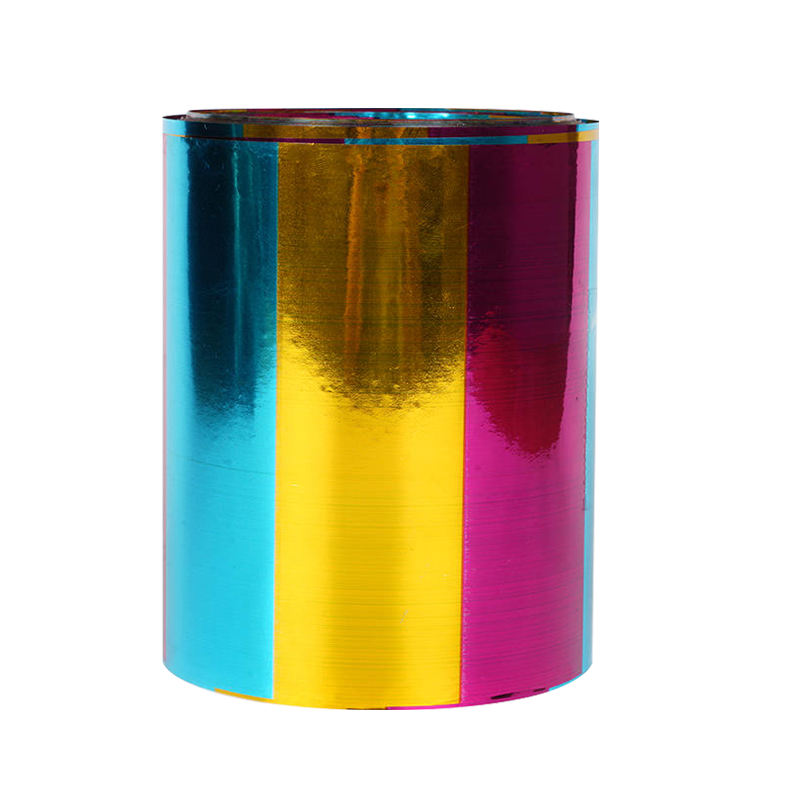
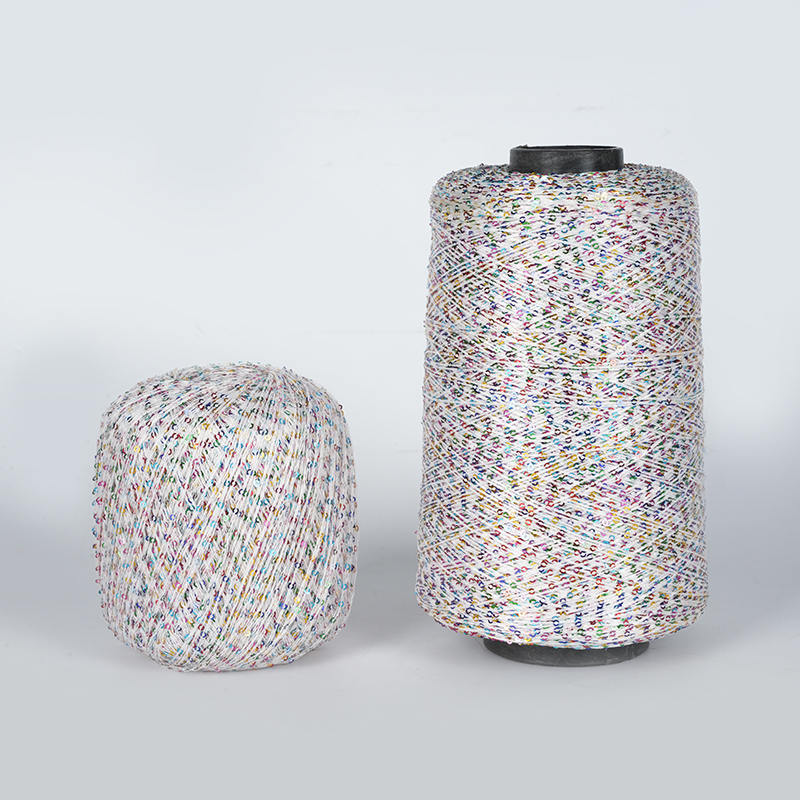
Reflective yarn is not a single material but a category of specialty yarn constructions that share one defining property: when light strikes them, they return a significant portion of that light toward the original light source, making the yarn — and any garment containing it — highly visible in low-light conditions. This retroreflective property is the basis for the high-visibility safety garments worn by road workers, construction crews, cyclists, and emergency responders globally, and it's also increasingly used in fashion, sportswear, accessories, and decorative textiles where visibility and visual interest coexist.
Understanding how reflective yarn achieves this effect, how different yarn constructions differ in performance and application, and what specification and testing standards govern safety-critical end uses helps buyers source correctly for both functional and fashion applications.
The Physics of Retroreflection in Yarn
Ordinary reflective surfaces — mirrors, polished metals — reflect light specularly: the angle of reflection equals the angle of incidence, so light from a headlight hits a mirror and bounces away at the same angle, not back toward the driver. This is why white-painted road markings are not particularly visible to drivers — the white surface scatters light diffusely rather than returning it toward the source.
Retroreflection is a specific optical phenomenon where light is returned back toward its source regardless of the angle of incidence. In retroreflective materials, this is achieved primarily through glass microspheres (beads) embedded in or applied to the reflective structure. Each glass microsphere acts as a tiny lens that focuses incoming light onto a reflective backing surface positioned at the back focal point of the sphere. The backing surface reflects the focused light through the sphere, which redirects it toward the original light source. The efficiency of this retroreflection depends on the sphere diameter, the refractive index of the glass, and the precision with which the backing surface is positioned at the focal point, which is why the manufacturing quality of the microspheres and their bonding to the backing determines the retroreflective coefficient of the finished material.
In reflective yarn, this optical system is integrated into a linear textile format. The yarn contains or is coated with retroreflective material — glass beads, metallized film, or combinations of both — in a configuration that maintains retroreflective performance through the bending, stretching, and abrasion that yarn experiences during weaving, knitting, and garment use.
Single-Sided vs Double-Sided Reflective Yarn
The most commercially significant structural distinction in reflective yarn is between single-sided and double-sided configurations.
Single-Sided Reflective Yarn
Single-sided reflective yarn has retroreflective material on one face of the yarn structure. In a flat yarn (tape yarn) format, the reflective layer is on one side of the substrate. When this yarn is incorporated into a woven fabric, the reflective surface faces outward on one side of the fabric and inward on the other — the retroreflective performance is directional. This configuration is appropriate for applications where the fabric's orientation relative to light sources is predictable, such as vertical garment panels, reflective trim on the front and back of high-visibility vests, and woven badges or labels where the reflective surface will consistently face outward.
The advantage of single-sided construction is manufacturing efficiency and cost — one reflective surface requires less material and simpler processing than double-sided constructions. For the majority of high-visibility safety garment applications, single-sided reflective yarn performs adequately because the garment wearer faces predictable light source directions (vehicle headlights approaching from front and rear).
Double-Sided Reflective Yarn
Double-sided reflective yarn carries retroreflective material on both sides of the yarn structure. When incorporated into fabric, retroreflection occurs whether light strikes the fabric from the front or the back of the textile plane, and regardless of how the yarn is oriented within a complex weave or knit structure. This bidirectional performance is particularly valuable in applications where yarn orientation within the fabric is not perfectly controlled — in knitted fabrics where the yarn path changes direction through loops, or in embroidery where the yarn angle relative to the viewer changes continuously along the stitched pattern.
Double-sided reflective yarn is also specified for applications where 360-degree visibility is required, or where the fabric may be viewed from angles where only the back of individual yarn segments is presented to the viewer. The retroreflective coefficient of double-sided yarn is typically lower per side than a comparable single-sided construction at the same total material weight, because the retroreflective material is distributed across both faces rather than concentrated on one, but the total visible performance integrated over all viewing angles is higher.
Yarn Construction Formats
Reflective yarn is produced in several construction formats that suit different textile processing methods:
Flat tape yarn (monofilament tape): a narrow, flat strip of retroreflective material wound onto a cone. Used directly in weaving as warp or weft yarn, in embroidery, and in decorative applications. The flat format maximizes the retroreflective surface area presented to light sources but requires appropriate processing equipment and cannot be used on standard round-yarn processing machinery without modification.
Twisted or covered yarn: a flat reflective core wrapped with fiber yarns (polyester, nylon) to create a round cross-section that can be processed on standard textile machinery. The covering fibers protect the reflective core from abrasion and improve the yarn's hand feel, at some cost in retroreflective intensity compared to uncovered tape yarn. This construction is used for reflective trim on knitwear, sportswear, and casual fashion applications where the softer hand of a covered yarn is preferred.
Composite yarn: reflective fiber strands combined with functional or standard yarn components, twisted or entangled together. Produces yarn with distributed reflective elements throughout the cross-section rather than a discrete reflective core. Used where a more integrated visual effect is desired — fine reflective highlights distributed through a fabric rather than discrete visible reflective stripes.
Performance Standards for Safety Applications
When reflective yarn is incorporated into high-visibility safety garments, the finished fabric must meet applicable performance standards that define minimum retroreflective coefficient (RA) values, color requirements, and test methods. The two most widely referenced standards are:
EN ISO 20471 (international, replacing EN 471) covers high-visibility warning clothing for professional use. It defines three classes based on the area of fluorescent background material and retroreflective material in the garment, with Class 3 providing the highest visibility. The standard specifies minimum RA values for retroreflective material (typically 330 cd/lux/m² or higher for the retroreflective component, tested at specific observation and entrance angles). Garments sold into European markets for professional safety use must be certified to EN ISO 20471.
ANSI/ISEA 107 is the equivalent US standard, with similar class structure and performance requirements. It is referenced in OSHA regulations for certain categories of workers, including those working near vehicle traffic.
For fashion and decorative applications without safety certification requirements, performance standards don't directly apply — the specification is driven by the designer's aesthetic intent and the customer's visibility expectations. However, wash durability remains relevant: reflective yarn for fashion applications that will be laundered must maintain acceptable retroreflective performance after repeated washing cycles, which depends on the bonding quality of the glass beads to the reflective backing and the protective construction of the yarn.
Key Specification Parameters
| Parameter | What It Determines | Typical Values / Range |
|---|---|---|
| Retroreflective coefficient (RA) | Brightness of retroreflection per unit area | ≥330 cd/lux/m² for EN ISO 20471 certified material; higher values for premium safety applications |
| Yarn width (tape yarn) | Width of reflective stripe visible in finished fabric | Typical: 1mm, 1.5mm, 2mm, 3mm, 5mm, custom widths available |
| Substrate material | Base yarn compatibility and colorfastness | Polyester, nylon, blended; silver (standard) or custom colors |
| Single vs double-sided | Bidirectionality of retroreflection in fabric | Single-sided for woven/flat fabric; double-sided for knit, embroidery, complex weaves |
| Wash durability | Performance retention after laundering | Tested per ISO 6330; EN ISO 20471 requires minimum performance after 25 wash cycles |
| Linear density (dtex/denier) | The weight and thickness of yarn affect processing | Varies by construction type; specified per application and machinery requirements |
Applications Across Industries
High-Visibility Safety Garments
The largest volume application for reflective yarn is in woven and knitted safety garments: reflective trim on vests, jackets, coveralls, and trousers worn by road construction workers, rail maintenance crews, airport ground handlers, warehouse operatives, and cyclists. The yarn is typically woven or knitted into horizontal or diagonal banding patterns across the garment, with dimensions and placement governed by the applicable safety standard. Silver-grey retroreflective yarn against a fluorescent yellow, orange, or red background is the standard color combination, because the fluorescent background provides conspicuity in daylight while the retroreflective yarn provides visibility at night.
Sports and Outdoor Performance Apparel
Running jackets, cycling jerseys, trail running gear, and athletic outerwear increasingly incorporate reflective yarn elements for safety during early-morning and late-evening training. Fashion sportswear brands use reflective yarn in design elements — stripes, logos, panel borders — that serve a dual function of aesthetic interest in daylight and visibility in low-light conditions. For this application, the appearance in both daylight and night conditions is specified, and the yarn must integrate well with performance fabric constructions (stretchy knits, technical wovens) without degrading the garment's fit or hand.
Fashion and Decorative Textiles
Reflective yarn has moved beyond its safety origins into fashion accessories, bags, sneaker uppers, and trend-driven apparel. In these applications, the retroreflective "flash" effect — the dramatic illumination of the yarn when caught by a camera flash or headlight — is used as a deliberate design statement. Double-sided reflective yarn is particularly useful here because it produces consistent visual effects in photographic contexts where lighting angles are unpredictable.
Frequently Asked Questions
Can reflective yarn be dyed to colors other than silver-grey?
Standard reflective yarn has a silver-grey appearance because the glass bead retroreflective surface reflects all wavelengths of light approximately equally. Colored reflective materials are achievable through tinted coatings or colored backing films, but these reduce the retroreflective coefficient compared to silver — the tint absorbs some of the reflected light, reducing output intensity. For safety garment applications governed by EN ISO 20471 or ANSI/ISEA 107, silver-grey retroreflective trim is the standard because it provides the highest RA values. For fashion and decorative applications without performance certification requirements, colored reflective effects are available and used by brands seeking differentiation — the trade-off between visual effect and retroreflective intensity is a design decision rather than a safety-critical one.
How do you test whether reflective yarn meets EN ISO 20471 requirements?
Testing is done on finished fabric (after the reflective yarn is woven, knitted, or sewn into the textile construction) rather than on the yarn alone, because the effective RA of the fabric depends on the yarn's integration into the structure. The test uses a retroreflectometer that illuminates the sample at specified observation angles (typically 12 minutes and 20 degrees) and entrance angles, measuring the reflected light intensity per unit area per unit of illuminance. For EN ISO 20471 certification, a third-party accredited test laboratory performs the testing and issues a test report; certification of the finished garment is then done by a notified body. When sourcing reflective yarn for safety garment production, requesting the yarn supplier's test report for their material's RA performance gives a baseline, but the final garment certification requires testing of the specific fabric construction used in production.
What is the difference between reflective yarn and phosphorescent (luminous) yarn?
Reflective yarn works by retroreflection — it requires an external light source to be visible, and the visibility disappears when the light source is removed. It is not visible in true darkness with no light sources. Phosphorescent (luminous) yarn contains materials that absorb light energy during daylight or indoor lighting exposure and re-emit that stored energy as visible light in darkness — the "glow-in-the-dark" effect. Luminous yarn is self-illuminating for a period after the charging light source is removed, making it visible in complete darkness, but its light output is much lower than the retroreflective brightness of reflective yarn under active illumination. The two materials serve different visibility functions: reflective yarn for environments with active light sources (vehicle headlights, workplace lighting); luminous yarn for applications requiring visibility in true darkness or reduced-light conditions without relying on external illumination.
Reflective Yarn | Double-Sided Reflective Yarn | Luminous Yarn | Conductive Yarn | Functional Yarn | Contact Us