English
 русский
 Español
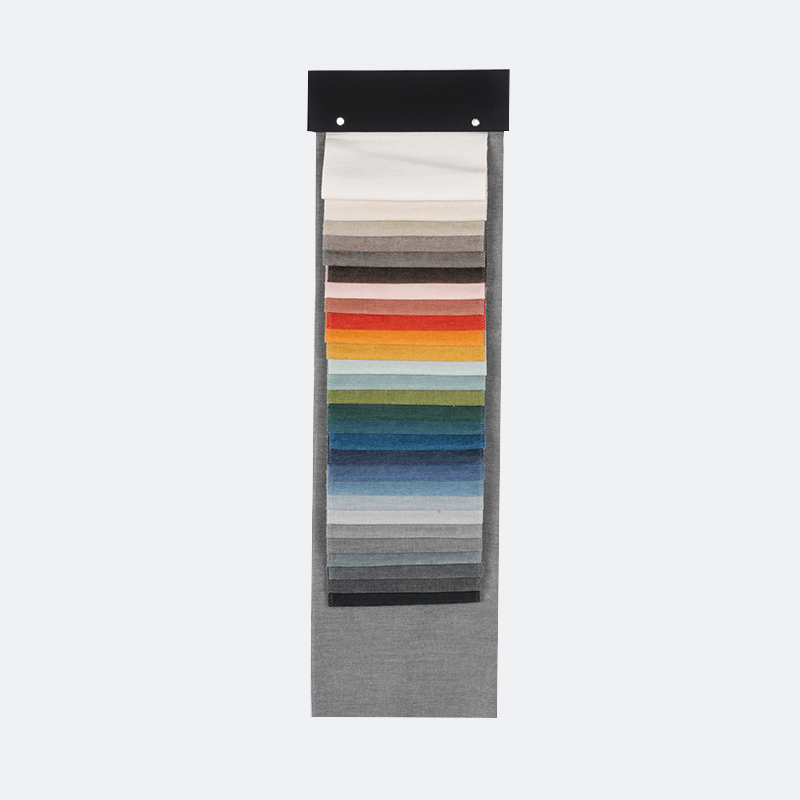
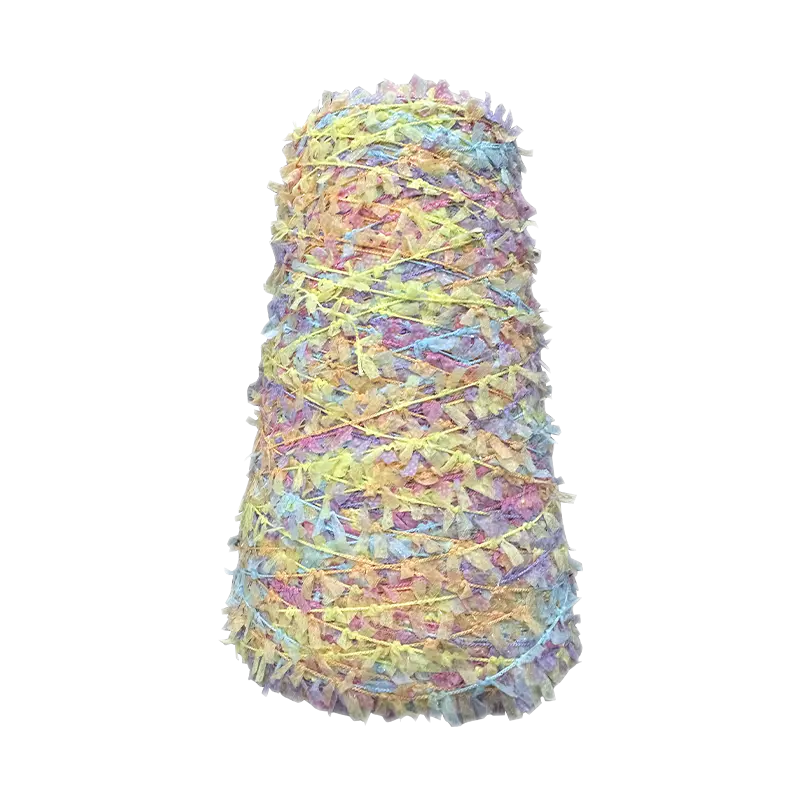
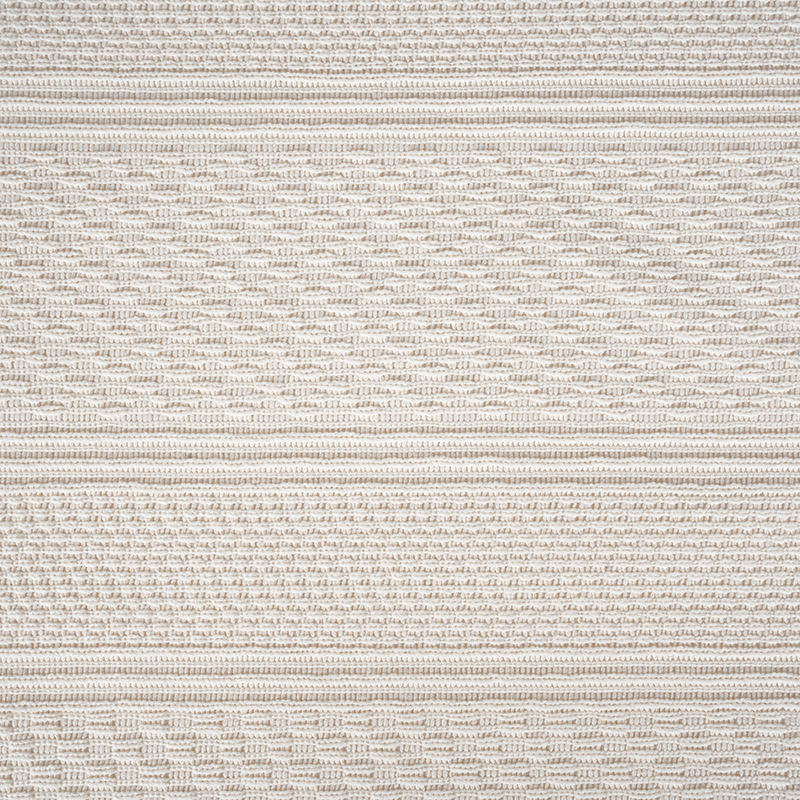
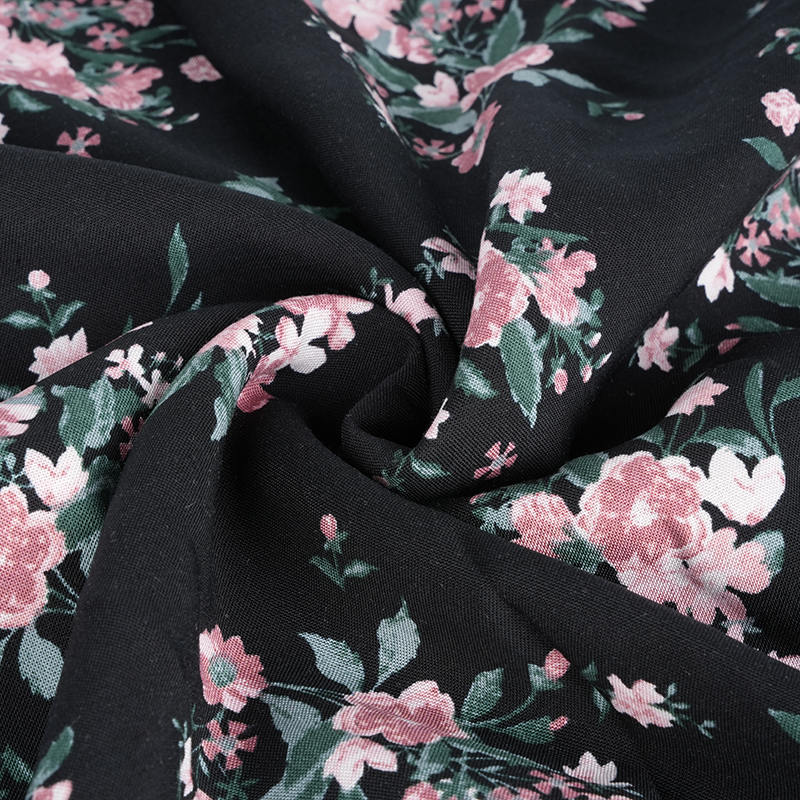
Color polyester yarn stands as a pivotal material in the modern textile industry, offering an optimal balance between aesthetic versatility and functional durability. Unlike traditional greige yarns that require post-weaving dyeing processes, color polyester yarn is solution-dyed or space-dyed, ensuring superior colorfastness and reducing water consumption during production. It is the preferred choice for applications requiring high resistance to fading, such as outdoor fabrics, automotive interiors, and heavy-duty apparel. By understanding its manufacturing methods and physical properties, manufacturers and designers can significantly enhance product quality while streamlining supply chains.
Understanding the Core Characteristics
To fully appreciate the utility of this material, one must examine its fundamental physical and chemical properties. Polyester, a synthetic polymer derived from petroleum, is engineered to withstand conditions that natural fibers often cannot. When color is introduced during the fiber formation stage, these inherent characteristics are further amplified.
High Tensile Strength and Durability
One of the defining features of polyester is its exceptional strength. Color polyester yarn maintains a high tensile strength, meaning it can withstand significant tension and stress before breaking. This makes it ideal for products that undergo frequent mechanical stress, such as luggage, backpacks, and industrial belts. The fibers are resilient and recover well from stretching, helping garments and fabrics retain their shape over extended periods of use.
Superior Colorfastness Properties
The primary advantage of color polyester yarn lies in its resistance to color loss. Because the pigment is locked inside the fiber during the spinning phase (in the case of solution dyeing), the color becomes an integral part of the yarn rather than a surface coating. This results in outstanding resistance to:
- UV Radiation: The color does not fade easily under prolonged sun exposure.
- Washing: High resistance to bleeding or fading during industrial and domestic laundering.
- Crocking: Minimal color transfer when the fabric is rubbed against other surfaces.
This stability is crucial for industries where color consistency is non-negotiable.
Chemical Resistance and Care
Polyester fibers exhibit strong resistance to many chemicals. This attribute allows fabrics made from color polyester yarn to withstand exposure to acids, oxidizers, and common household cleaning agents. Furthermore, the hydrophobic nature of the fiber means it repels water and dries quickly, which is a significant advantage for outdoor and sportswear applications. However, it is worth noting that polyester is sensitive to high heat; improper ironing or drying can lead to melting or glazing of the fiber surface.
Primary Manufacturing Methods
The quality and application of the final product depend heavily on the method used to impart color. There are distinct differences between the two main production techniques used in the industry today.
Solution Dyeing (Spun-Dyed Process)
Solution dyeing is considered the most effective method for producing high-quality colored polyester yarn. In this process, color pigments are added directly to the polymer melt before the fiber is extruded through the spinneret. As the fiber solidifies, the pigment is trapped inside. This process creates fibers where the color penetrates the entire cross-section, resulting in unparalleled colorfastness. It is an environmentally friendly option because it eliminates the need for water-intensive dye baths after the yarn is formed. This method is typically used for solid colors requiring strict consistency.
Space Dyeing Techniques
Space dyeing involves dyeing the yarn at various intervals along its length, creating a multi-colored effect. This can be done using various techniques such as knit-de-knit or warp sheet dyeing. The result is a yarn that produces unique, variegated patterns when woven or knitted into fabric. This method is widely used in the fashion industry for creating distinct visual textures in sweaters, socks, and upholstery without the need for complex weaving patterns.
Comparison of Dyeing Methods
Choosing the right method depends on the end-use requirements. The table below highlights the key differences between the two primary approaches.
| Feature | Solution Dyeing | Space Dyeing |
|---|---|---|
| Color Penetration | Complete (Core to Surface) | Surface to Partial Core |
| Color Pattern | Solid and Uniform | Multi-colored / Variegated |
| Environmental Impact | Lower (Waterless process) | Moderate (Requires water/chemicals) |
| Best Application | Outdoor / Automotive / Uniforms | Fashion / Upholstery / Crafts |
| Cost Efficiency | High for large volumes | High for small custom lots |
Diverse Applications in Key Industries
The versatility of color polyester yarn allows it to permeate various sectors of the global market. Its ability to mimic natural fibers while offering superior performance makes it a staple in both technical and aesthetic applications.
Automotive Interior Fabrics
In the automotive industry, materials are subjected to harsh conditions, including constant UV exposure and significant temperature fluctuations within the vehicle cabin. Color polyester yarn produced via solution dyeing is the standard for car seats, headliners, and door panels. Manufacturers prefer this yarn because it withstands intense sunlight without fading, ensuring the car interior looks new for years. Additionally, its resistance to abrasion ensures that the friction from passengers entering and exiting the vehicle does not wear down the fabric surface prematurely.
Outdoor and Marine Textiles
For outdoor furniture, awnings, and marine canvas, colorfastness is non-negotiable. These items are exposed to the elements continuously. Standard dyed fabrics would fade within a single season, but solution-dyed polyester yarns can last for many years without significant loss of vibrancy. The hydrophobic nature of the yarn also prevents mold and mildew growth, a common problem in damp marine environments. This yarn provides the necessary structural integrity to withstand wind and weather while maintaining aesthetic appeal.
Fashion and Apparel
While durability is key for technical textiles, the fashion industry values colored polyester yarn for its aesthetic potential. Space-dyed yarns are frequently utilized to create heathered effects, tweed patterns, and unique striping in knitwear. Designers leverage these yarns to add visual interest to garments without increasing the complexity of the knitting or weaving machinery. Furthermore, advancements in polymer technology have led to the development of microfiber polyester yarns, which offer a soft, silk-like hand feel, making them suitable for high-end fashion blouses and linings.
Home Furnishings and Upholstery
In residential and commercial settings, upholstery fabrics face daily wear and tear. Color polyester yarn is widely used in sofas, curtains, and draperies. It offers excellent resistance to pilling, keeping furniture looking smooth even after heavy use. For curtains, the yarn's ability to drape well, combined with its resistance to sun rot, makes it a practical alternative to delicate silks or fade-prone cottons. It also accepts fire-retardant treatments well, helping furnishings meet strict safety codes without compromising on design.
Critical Selection Criteria for Buyers
Selecting the correct type of color polyester yarn requires a clear understanding of the project’s technical requirements. Buyers must evaluate several specific parameters to ensure the yarn performs as expected in the final product.
Yarn Count and Thickness
The thickness of the yarn, often measured in Denier or Decitex, dictates the weight and density of the final fabric. For lightweight apparel or sheer curtains, a finer count is necessary. Conversely, for heavy-duty applications like luggage or industrial webbing, a thicker, high-denier yarn is required. Matching the yarn count to the weaving or knitting machine specifications is essential to prevent machine breakage and ensure uniform fabric construction.
Tenacity and Elongation
Tenacity refers to the breaking strength of the yarn. High-tenacity yarns are specifically engineered for industrial applications where the fabric must bear heavy loads. Elongation refers to how much the yarn can stretch before breaking. A balance must be struck; too much elongation can cause the fabric to lose shape, while too little can make it brittle. For sewing threads and industrial sewing applications, high tenacity combined with controlled elongation is critical to prevent seam failure.
Luster and Finish Options
Polyester yarns are available in various luster levels, ranging from bright to semi-dull and full-dull. Bright yarns have a high sheen, often used in decorative ribbons and trims. Semi-dull and full-dull yarns mimic the appearance of natural fibers like cotton or wool and are preferred for apparel and upholstery where a matte finish is desired. The choice of luster significantly impacts the visual texture of the final product.
Advantages Over Traditional Dyeing Processes
The shift towards using color polyester yarn, specifically solution-dyed variants, is largely driven by environmental and economic factors. Traditional textile dyeing is one of the most polluting industrial processes globally. By switching to pre-colored yarns, manufacturers gain distinct advantages.
Reduction in Water and Energy Consumption
Traditional wet dyeing processes require massive amounts of water to dye, rinse, and wash fabrics. It is estimated that solution dyeing eliminates the need for these post-production dye baths, reducing water usage significantly. Furthermore, because the yarn arrives at the mill already colored, the energy required to heat dye baths and run drying machinery is saved. This reduction in resource consumption directly translates to a lower carbon footprint for the final textile product.
Consistency and Batch Variation
One of the chronic issues in traditional textile manufacturing is "lab-dip" approval and batch-to-batch variation. Matching a specific shade across thousands of meters of fabric can be difficult with traditional dyeing. Since solution-dyed yarn is produced in a controlled, continuous extrusion process, the color consistency is mathematically precise. This eliminates the risk of shade variation between different production lots, a critical factor for large-scale projects like hotel flooring or automotive fleets.
Waste Reduction
In traditional processing, unused greige yarn or fabric scraps must be dyed or discarded. With colored yarn, inventory management becomes more streamlined. Manufacturers order exactly the color they need. This precision helps in reducing the inventory of unfinished goods and minimizes the waste associated with over-dyeing or incorrect color matches that must be discarded or sold as seconds.
Maintenance and Long-Term Care
Products manufactured with colored polyester yarn are renowned for being low-maintenance. Understanding how to care for these items ensures they retain their functional and aesthetic properties for the longest possible time.
Washing Recommendations
While the yarn is highly durable, proper washing techniques extend the life of the fabric. Warm water is generally sufficient to clean polyester fabrics; extremely high temperatures should be avoided to protect the fiber's integrity. Because the color is locked in, bleeding is rarely an issue, allowing for mixed loads. However, using gentle detergents helps maintain the fiber's hand feel and prevents the buildup of residue that could attract dirt.
Stain Resistance Properties
Polyester is inherently oleophilic, meaning it attracts oil-based stains. However, many colored polyester yarns are treated with soil-release finishes during manufacturing. This makes it easier to wash away oil and grease stains that might otherwise bond with the fiber. For outdoor applications, the smooth surface of the filament yarn makes it difficult for dirt particles to penetrate, allowing them to be washed away by rain or a simple hose down.
Storage and Handling
Unlike natural fibers, polyester is resistant to moths, mildew, and rot. This makes storage relatively simple. Fabrics should be stored in a dry, cool place away from direct sunlight if stored for extended periods, although the UV resistance of the yarn mitigates damage significantly compared to other materials. Creasing can occur if heavy items are stored on top of the fabric, but polyester’s resilience usually allows wrinkles to fall out naturally or with low-heat steaming.