English
 русский
 Español
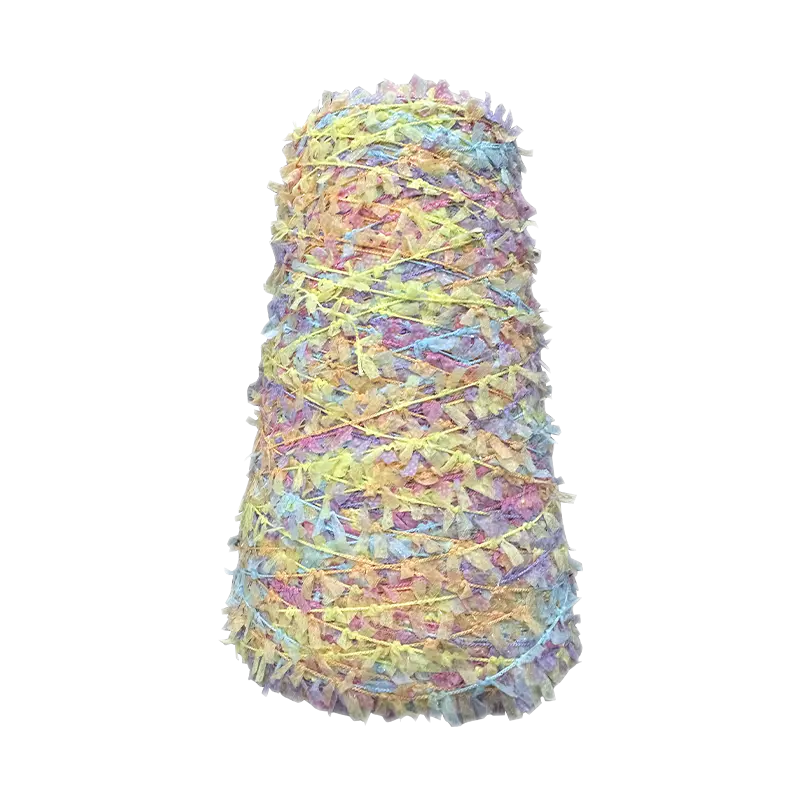
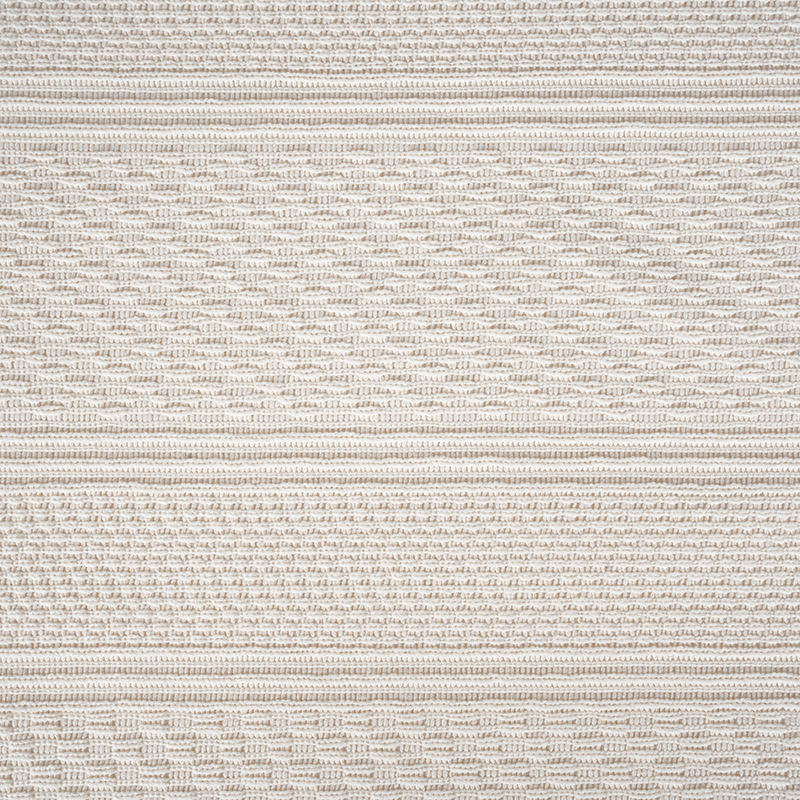
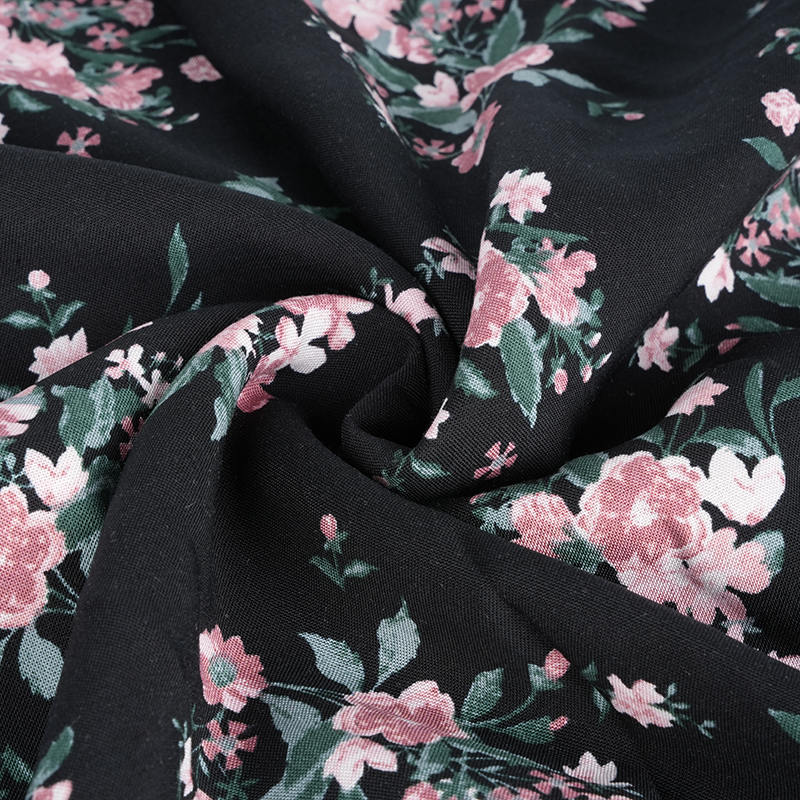
Functional yarn is no longer a niche concept but the fundamental driver reshaping the global textile industry. By embedding specific performance characteristics directly into the fiber structure, functional yarn transcends the limitations of traditional fabrics. Instead of merely covering the body, textiles woven from these advanced yarns actively interact with the surrounding environment and the human body. This paradigm shift moves the industry away from passive comfort toward active performance enhancement, making functional yarn the indispensable foundation for future apparel, medical, and industrial applications.
Defining Functional Yarn and Its Core Value
Functional yarn refers to engineered fibers that possess specific, inherent properties beyond basic structural integrity and aesthetics. While conventional yarns serve primarily as the building blocks of fabric, functional yarns are designed to solve specific problems. These properties are not merely applied as surface finishes; they are integrated into the polymer structure or engineered through advanced spinning techniques.
The core value of functional yarn lies in its durability and consistency. Because the functional properties are intrinsic to the fiber, they do not wash off or degrade quickly over time. This permanent integration ensures that the textile performs consistently throughout its lifecycle, providing reliable moisture management, thermal regulation, or protection against environmental hazards.
Primary Categories of Functional Yarn
The scope of functional yarn is vast, covering a wide spectrum of performance attributes tailored to specific end-uses. Understanding these categories is essential for selecting the right material for a given application.
Moisture Management Yarns
These yarns are engineered to transport moisture away from the skin rapidly. By utilizing unique cross-sectional shapes or hydrophobic and hydrophilic fiber blends, they pull sweat along the fiber surface and disperse it across the fabric exterior for rapid evaporation. This process keeps the wearer dry and significantly reduces the chilling effect experienced during rest periods.
Thermoregulatory Yarns
Thermoregulatory yarns actively manage the microclimate between the fabric and the skin. Some utilize phase-change materials that absorb excess body heat when the temperature rises and release it when the temperature drops. Others rely on hollow-core fibers that trap still air for insulation while remaining lightweight, ensuring the wearer remains comfortable across fluctuating environmental conditions.
Antimicrobial Yarns
By incorporating silver ions, zinc, or other biocidal agents into the polymer matrix, these yarns inhibit the growth of odor-causing bacteria and fungi. This functionality extends the wearable life of the garment between washes, making it particularly valuable for travel, prolonged outdoor activities, and medical environments where hygiene is paramount.
Protective Yarns
Protective yarns offer defense against specific environmental threats. This category includes ultraviolet-resistant yarns that shield the skin from harmful solar radiation, flame-resistant yarns that self-extinguish and do not melt, and chemical-resistant yarns designed to act as barriers against hazardous substances. They are vital in safeguarding individuals in high-risk professions and extreme environments.
Advanced Manufacturing Technologies
The exceptional properties of functional yarn are not accidental; they are the result of sophisticated manufacturing processes that operate at the microscopic level. The choice of technology determines how effectively the functional attributes are integrated into the final textile.
Polymer Modification
This approach alters the chemical composition of the raw polymer before the fiber is even formed. Additives such as carbon particles, ceramic powders, or antibacterial agents are mixed directly into the polymer melt. The resulting yarn has functional properties distributed evenly throughout its entire cross-section, ensuring permanent performance that cannot be worn away.
Bicomponent Spinning
Bicomponent spinning involves extruding two different polymers simultaneously through a single spinneret to create a single fiber with distinct regions. Common configurations include core-sheath and side-by-side structures. For example, a side-by-side bicomponent fiber can create a permanent crimp as the two polymers contract differently during cooling, yielding stretch without the use of elastane.
Nanotechnology Integration
Nanotechnology allows manufacturers to manipulate materials at the atomic and molecular levels. By embedding nanoparticles into the fiber structure, yarns can achieve enhanced properties with minimal impact on the fabric's hand feel. Nano-silica can impart superhydrophobic properties, while nano-titanium dioxide can provide excellent ultraviolet protection without adding bulk to the garment.
Diverse Applications Across Industries
The versatility of functional yarn has enabled its adoption far beyond the realm of sports and outdoor apparel. Its unique properties are being leveraged across multiple sectors to improve quality of life, safety, and efficiency.
Performance Apparel
In the athletic and outdoor sectors, functional yarn is the absolute standard. Athletes require garments that act as a second skin, managing moisture, regulating temperature, and reducing wind resistance. Whether it is a high-intensity running shirt or a lightweight climbing base layer, functional yarns provide the competitive edge and physical comfort required under extreme exertion.
Medical and Healthcare
The healthcare industry relies on functional yarns to maintain sterile environments and improve patient outcomes. Antimicrobial yarns are used in hospital bedding, surgical gowns, and wound dressings to prevent cross-contamination. Additionally, pressure-regulating yarns are utilized in compression garments to promote blood circulation and aid in post-surgical recovery.
Industrial and Automotive
In industrial settings, functional yarns contribute to safety and product longevity. Flame-resistant yarns are mandatory in protective workwear for welders and firefighters. In the automotive sector, ultraviolet-resistant and abrasion-resistant yarns are heavily utilized in car interiors, ensuring that seat fabrics and headliners do not degrade or fade despite constant sun exposure and daily wear.
Comparison of Major Functional Yarn Properties
To better understand how different functional yarns align with specific needs, the following table compares their primary mechanisms and ideal use cases.
| Yarn Type | Primary Mechanism | Key Benefit | Typical Application |
|---|---|---|---|
| Moisture Wicking | Capillary action via modified cross-sections | Rapid drying and comfort | Sportswear, active wear |
| Thermoregulatory | Phase-change materials or hollow cores | Dynamic temperature control | Outdoor gear, everyday comfort |
| Antimicrobial | Embedded metallic ions | Odor control and hygiene | Medical textiles, travel wear |
| Ultraviolet Resistant | Nano-particle absorption/reflection | Skin protection | Summer apparel, automotive interiors |
| Flame Resistant | Inherent polymer resistance | Thermal protection and safety | Firefighting gear, military uniforms |
The Evolution Towards Smart Textiles
The future of functional yarn lies in the seamless integration of electronics and advanced materials, moving from passive functionality to active intelligence. Smart textiles represent the next major leap, transforming fabrics into responsive digital interfaces.
Conductive Yarns
By incorporating metallic strands or inherently conductive polymers, these yarns allow fabrics to transmit electrical signals. This technology enables the creation of wearable sensors that can monitor heart rate, muscle activity, and respiratory patterns without the need for bulky external devices. The data is gathered directly by the garment and transmitted to external devices for real-time health monitoring.
Shape Memory Yarns
Shape memory yarns can return to a pre-programmed shape when exposed to a specific stimulus, such as heat or moisture. This technology is being developed for adaptive clothing that automatically adjusts its ventilation openings when the body temperature rises, or for medical stents that expand to their functional shape at body temperature.
Energy Harvesting Yarns
Researchers are developing yarns that can generate and store electrical energy from kinetic movement or solar radiation. Piezoelectric yarns convert mechanical stress from body movement into electrical power, while photovoltaic yarns capture solar energy. These innovations aim to create self-powered garments capable of charging personal electronics continuously.
Sustainability and Environmental Considerations
As the demand for functional yarns grows, the textile industry faces increasing pressure to address the environmental impact of these advanced materials. The integration of performance cannot come at the expense of ecological health.
Recycled and Bio-Based Inputs
Manufacturers are shifting toward recycled polymers and bio-based feedstocks to reduce reliance on virgin fossil fuels. Post-consumer plastic waste is increasingly being processed into high-quality functional yarns, maintaining performance standards while diverting waste from landfills and oceans. Bio-based polymers derived from renewable resources offer a lower carbon footprint during production.
Durability as Sustainability
Extending the active lifespan of a garment is one of the most effective strategies for reducing its overall environmental footprint. Functional yarns contribute directly to this goal by enhancing durability and resistance to degradation. Garments that retain their shape, resist pilling, and maintain their protective properties do not need to be replaced as frequently, thereby reducing the volume of textile waste generated globally.
Challenges in End-of-Life Recycling
Despite progress, significant challenges remain in the recycling of functional textiles. Bicomponent yarns and polymer modifications make sorting and reprocessing extremely difficult. The industry must develop better chemical recycling techniques that can separate blended materials and recover the functional additives, ensuring that advanced yarns can be part of a truly closed-loop circular economy.
Key Evaluation Criteria for Functional Yarns
When selecting or developing functional yarns, several critical factors must be evaluated to ensure they meet the required performance and quality standards.
- Wash Durability: The ability of the functional property to withstand repeated laundering without significant degradation.
- Hand Feel: The tactile comfort of the yarn. Additives and modified cross-sections must not compromise the softness and drape of the final fabric.
- Breathability: Protective and moisture-management yarns must allow water vapor to escape to prevent a clammy microclimate.
- Cost Efficiency: The integration of advanced features must be balanced against the final cost of the product to ensure market viability.
The Future Landscape of Functional Yarn
The trajectory of functional yarn points toward hyper-specialization and seamless integration into daily life. As material science advances, the line between traditional textiles and advanced composites will continue to blur.
Future developments will likely focus on multi-functional yarns that combine several properties into a single fiber, such as a yarn that is simultaneously antimicrobial, moisture-wicking, and conductive. Furthermore, as manufacturing processes become more efficient, the cost of these advanced materials will decrease, making high-performance textiles accessible for everyday apparel rather than just premium or specialized markets. The ongoing collaboration between textile engineers, chemists, and data scientists will ensure that functional yarn remains at the forefront of the wearable technology revolution.