English
 русский
 Español
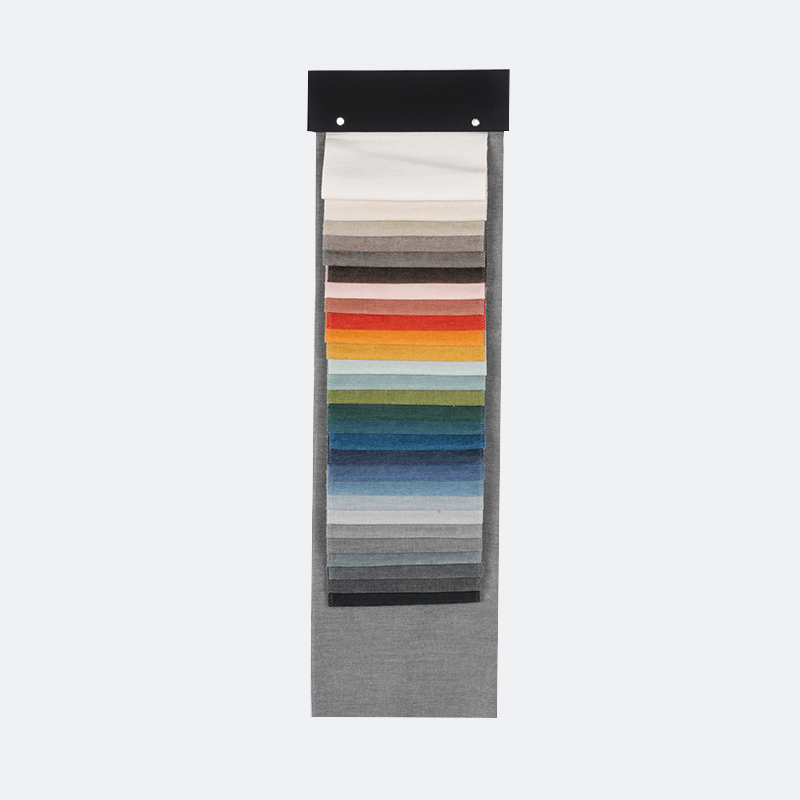
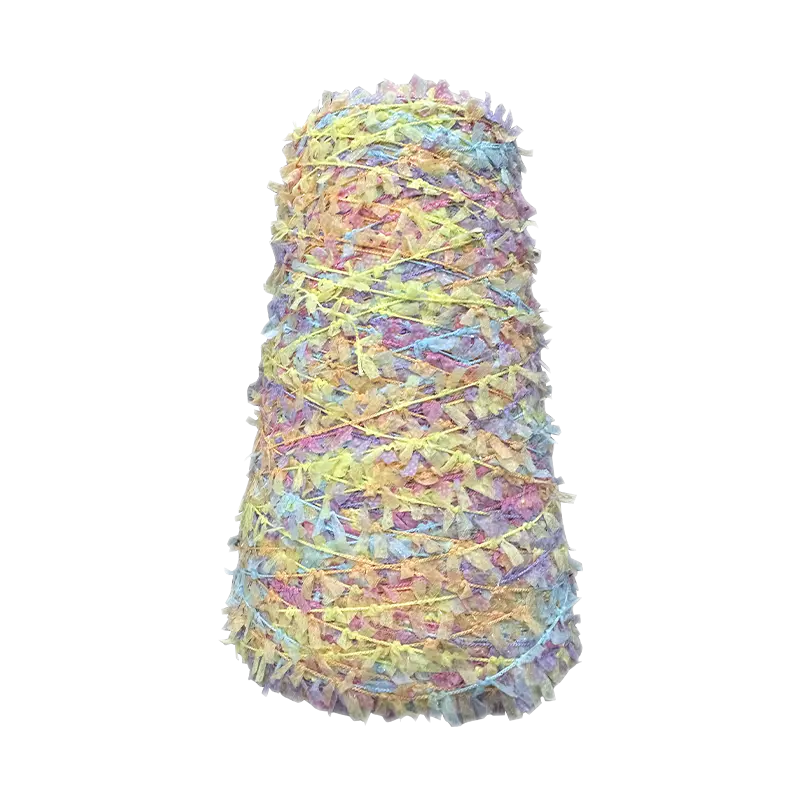
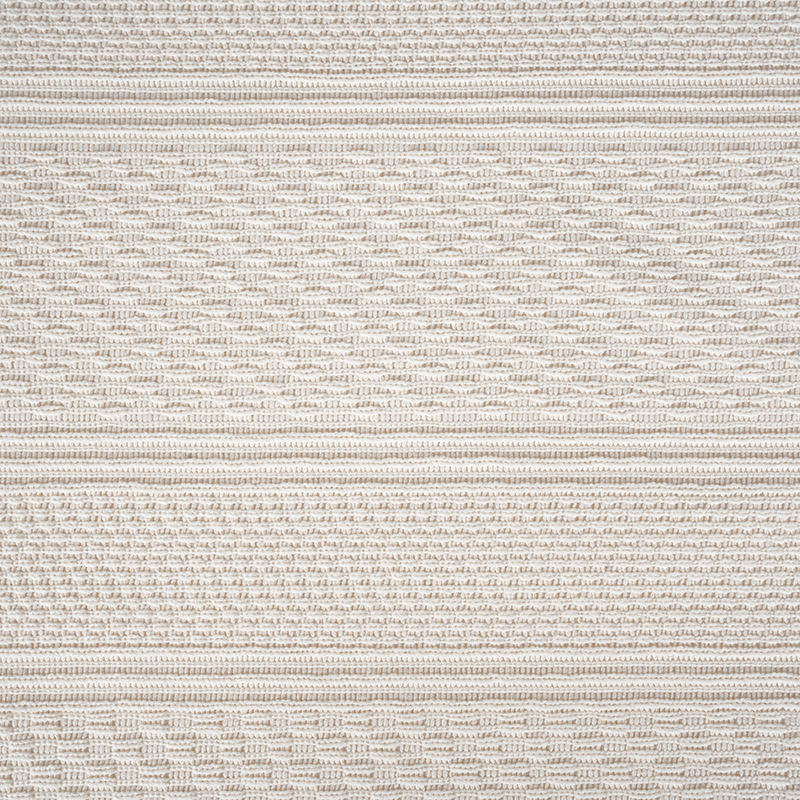
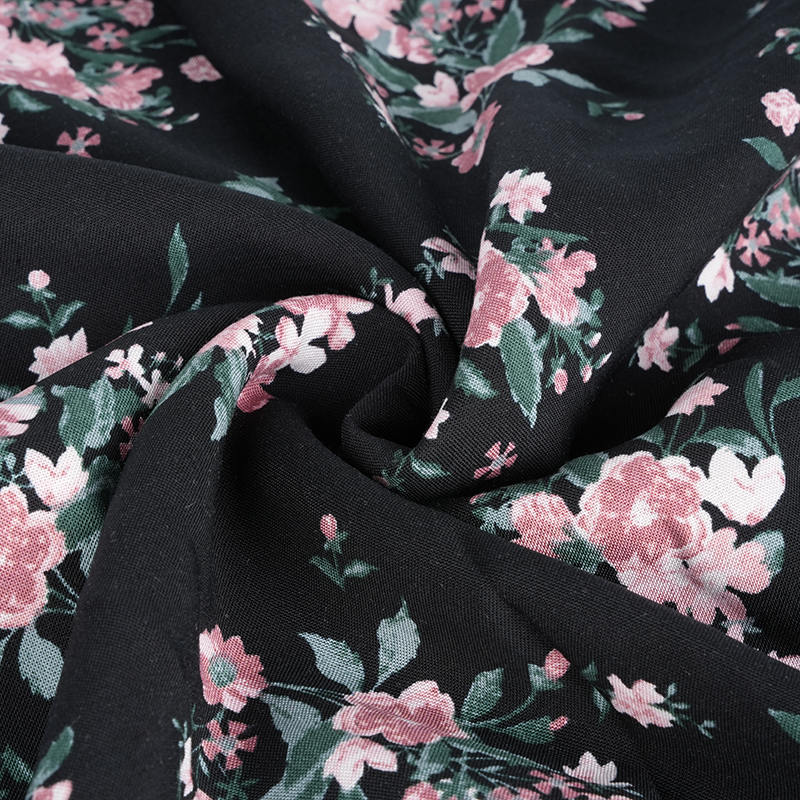
Polyester printing fabric stands out among various textile materials and becomes a mainstream choice for printed textile products, relying on its comprehensive physical and chemical performance advantages. Compared with natural fiber fabrics, this fabric material maintains stable performance in multiple use environments, and perfectly adapts to diversified printing craft requirements, which lays a solid foundation for its large-scale application in industrial production and daily supplies.
The excellent durability is the most prominent core merit. The fiber structure of polyester material has strong tensile resistance and wear resistance. In daily frequent rubbing, folding and pulling processes, the fabric is not easy to crack, break or deform. Even after long-term use, the overall shape can be well maintained, avoiding loose edges and surface wrinkling problems that commonly occur in ordinary fabrics.
In terms of color fixation effect, polyester printing fabric shows remarkable superiority. After professional printing and setting treatment, the pigment can be firmly attached inside the fiber gap. It will not fade easily under conventional washing, sunlight exposure and humidity change conditions. This characteristic ensures that printed patterns can keep bright and complete appearance for a long time, greatly prolonging the service life of finished textile products.
Besides, the fabric also owns fine anti-moisture and anti-mildew ability. It does not absorb excessive moisture like cotton fabric, and will not breed mold and peculiar smell in humid storage environment. Meanwhile, it has certain anti-static performance, reducing the adhesion of dust and sundries on the surface, making daily cleaning and maintenance work simpler and more convenient.
Common Printing Technologies Suitable For Polyester Fabric
Disperse Dye Printing Technology
Disperse dye printing is the most classic and mature craft matched with polyester printing fabric. The molecular structure of disperse dyes can fully combine with polyester fibers under specific temperature and pressure conditions, forming tight combination without easy falling off. This technology can present rich color layers, and is suitable for manufacturing products with complex pattern designs and gradient color effects.
In actual operation, the fabric needs to go through pre-treatment processes such as desizing and shaping first, removing surface impurities to guarantee uniform dye adsorption. After printing, high-temperature baking and water washing procedures are carried out to fix patterns and remove redundant dyes, finally obtaining fabrics with clear lines and saturated colors.
Digital Heat Transfer Printing
Digital heat transfer printing is widely applied in personalized customized printed fabrics. The pattern is printed on special transfer paper in advance, then transferred to the surface of polyester fabric through high temperature and hot pressing. This printing mode has high pattern reduction degree, capable of restoring delicate details such as portrait patterns and landscape paintings completely.
- Short production cycle, suitable for small-batch customized processing demands
- No obvious touch feeling of ink layer, fabric surface keeps smooth and soft
- Flexible color collocation, no restriction on pattern complexity
Reactive Printing Auxiliary Craft
Partial blended polyester printing fabric will adopt reactive printing auxiliary processing. By adjusting printing slurry formula and processing parameters, the binding force between pigment and fiber is improved. This craft balances printing cost and pattern quality, mostly used for mass production of daily decorative fabrics and simple style printed textiles.
Diversified Application Scenarios Of Polyester Printing Fabric
| Application Field | Typical Products | Performance Requirement Focus |
|---|---|---|
| Home Decoration | Curtain, table cloth, sofa cover | Light resistance, dust proof, wear resistance |
| Garment Making | Casual wear, sportswear, dress | Breathability, soft touch, color fastness |
| Outdoor Supplies | Tent, outdoor banner, sunshade cloth | Weather resistance, tensile strength |
| Cultural Gifts | Printed hanging painting, decorative scarf | Pattern fidelity, appearance texture |
In home furnishing industry, polyester printing fabric becomes the preferred material for soft decoration. Curtains made of this fabric can block strong sunlight and insulate indoor temperature, and rich printed patterns can match various interior decoration styles. Table cloth and sofa cover utilize its stain-resistant and washable features, convenient for daily cleaning and replacement, bringing convenient use experience for family life.
The clothing industry consumes a large quantity of polyester printing fabric every year. After softening treatment, the fabric fits human body well without rigid sense. Sportswear made from it can quickly drain surface sweat, keeping body dry and comfortable during movement. Fashion printed dresses rely on diversified pattern printing effects to meet people's personalized dressing aesthetic demands.
For outdoor use scenes, the stable physical properties of polyester printing fabric can cope with complex natural environments. Long-term wind and rain erosion will not cause pattern peeling and fabric damage. Advertising banners and outdoor protective cloth maintain stable use effect in outdoor space, satisfying practical and display demands simultaneously.
Key Factors Affecting Printing Effect Of Polyester Fabric
The final presentation quality of printed patterns is restricted by multiple links from raw material selection to post-processing. Controlling key influencing factors scientifically can effectively improve the fineness and stability of printing finished products.
- Fabric base density and fiber fineness. Denser fabric base can present clearer pattern edges, while fine fiber materials show more delicate color transition effect after printing.
- Printing temperature and pressing time. Proper high temperature helps dye permeate fibers fully, excessive temperature will lead to pattern distortion, and insufficient time causes poor color fixation.
- Dye concentration and slurry matching ratio. Reasonable proportion avoids color blurring or uneven coloring, ensuring consistent tone of the whole printed area.
- Post washing and shaping process. Timely removal of floating color can prevent mutual staining between patterns, and shaping fixes fabric shape to avoid later pattern displacement.
Production practice shows that controlling processing parameters within standard range can lift qualified product rate above most common processing levels. Unreasonable parameter setting is the main reason for defective products such as fuzzy patterns, color difference and easy fading. Manufacturers need to adjust parameters flexibly according to fabric thickness and printing pattern complexity.
Daily Maintenance And Long-term Preservation Methods
Scientific Washing Methods
Polyester printing fabric products have simple washing requirements, but wrong washing ways will accelerate pattern aging. It is advisable to choose neutral detergent for cleaning, avoid strong alkaline and corrosive cleaning supplies that will damage fiber structure and printed pigment. Water temperature should not be too high, normal room temperature water can meet cleaning needs.
Do not use rough tools to scrub the pattern surface vigorously. Gentle hand washing or soft gear machine washing can protect pattern integrity. Separate dark and light colored printed fabrics during washing to prevent cross staining and keep original color luster.
Drying And Ironing Notes
Natural air drying in ventilated shade is the best drying mode. Long-time direct exposure under blazing sun will make polyester fibers aging and pigment discoloration, resulting in dim pattern color. If ironing is needed, control iron surface temperature moderately, do not press repeatedly on printed positions with high temperature, prevent pattern melting and falling off.
Long-term Storage Skills
When storing unused polyester printing fabric products, keep the storage environment dry and ventilated. Fold the fabric neatly and place it in clean storage tools, avoid squeezing heavy objects to prevent permanent creases. Proper placement can effectively avoid mildew, dust contamination and fiber deformation, maintaining good state for long-term use.
Industry Development Trend Of Polyester Printing Fabric
With the continuous upgrading of textile processing technology and the improvement of public environmental protection awareness, polyester printing fabric industry is evolving towards high efficiency, environmental protection and multi-function. Traditional single performance fabrics can no longer satisfy diversified market demands, and functional modified printed fabrics gradually become the development mainstream.
Environmental protection printing materials are widely promoted and applied. New type low-carbon dyes and pollution-free printing slurry reduce waste discharge in production process, conforming to global environmental production standards. Meanwhile, waste polyester fabric recycling and reprocessing technology matures day by day, realizing resource cyclic utilization and reducing material consumption cost.
Functional modification technology endows fabrics more additional values. Anti-bacterial, flame retardant, waterproof and breathable modified polyester printing fabrics are continuously launched, expanding application boundaries in medical protection, industrial protection and high-end home textiles. Combined with intelligent digital printing equipment, production efficiency and pattern design richness get comprehensive improvement, further expanding market development space of polyester printing fabric.