English
 русский
 Español
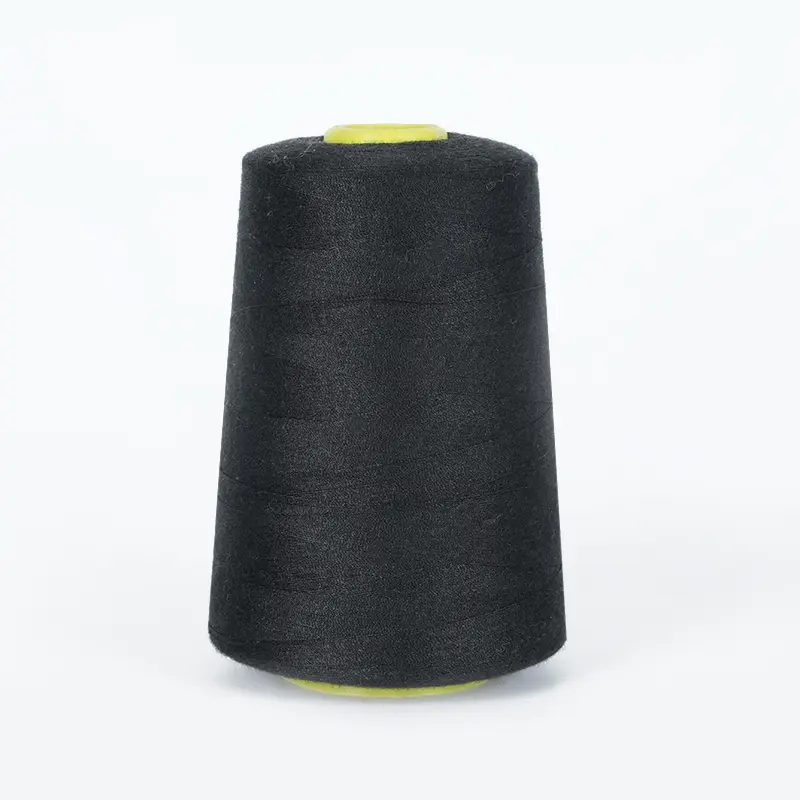
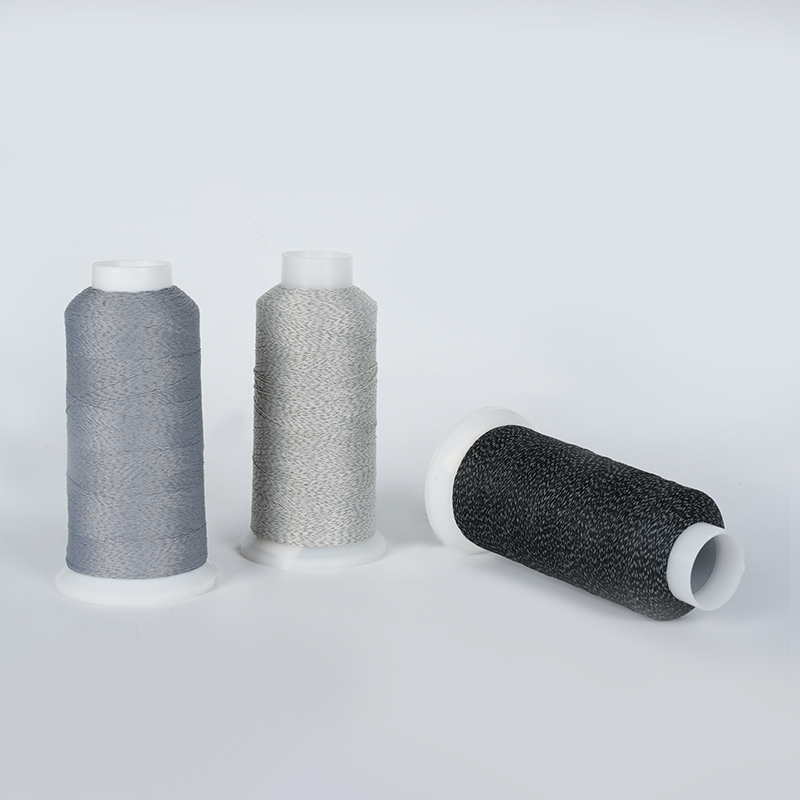
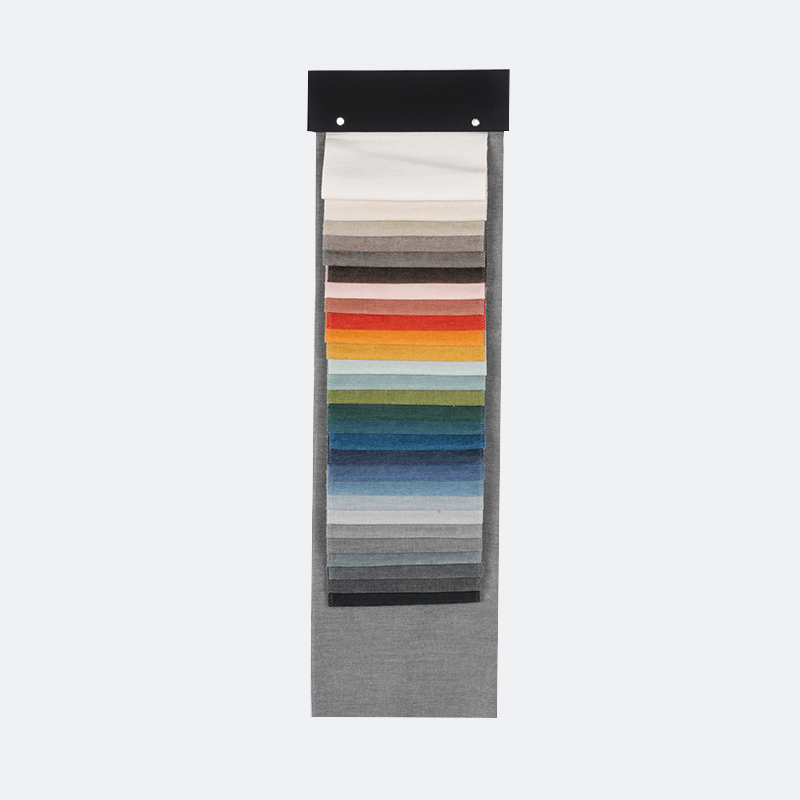
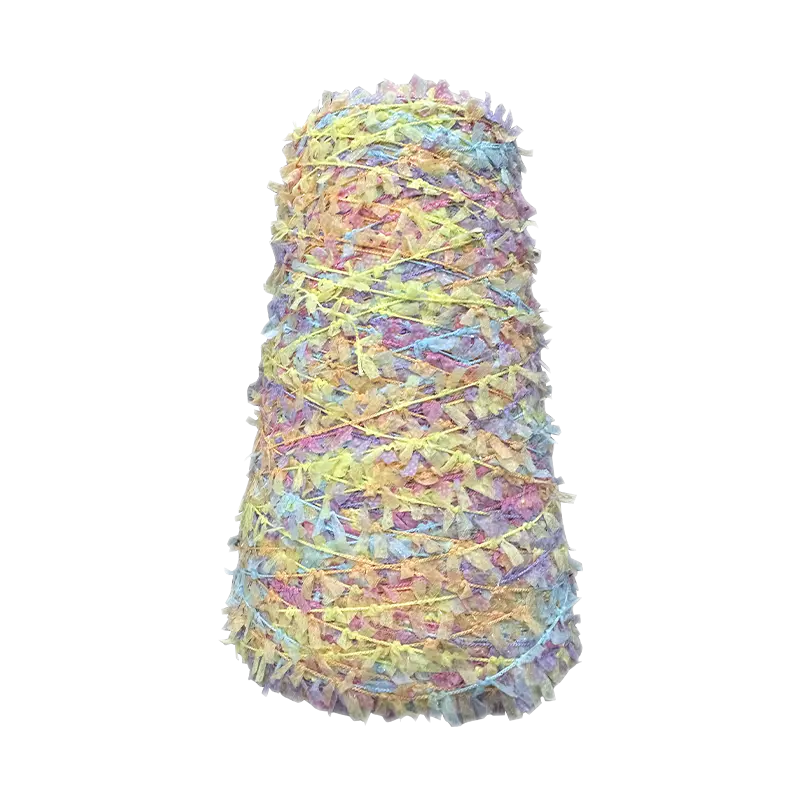
Recycled yarn is a transformative, eco-friendly alternative to conventional textile fibers, created by reprocessing pre-consumer and post-consumer textile waste into new, usable yarn. Its most critical value lies in drastically reducing environmental harm while maintaining functional performance comparable to virgin materials, making it an irreplaceable foundation of the global circular textile economy.
Unlike virgin fiber production that relies heavily on raw resource extraction, recycled yarn closes the material loop, minimizes waste sent to landfills, cuts water and energy consumption, and lowers carbon emissions. It is not a temporary sustainable trend but a long-term, practical solution for the entire textile industry to achieve environmental protection and sustainable development goals.
Definition and Classification of Recycled Yarn
Recycled yarn, also known as regenerated yarn, refers to yarn produced by collecting, sorting, cleaning, shredding, and re-spinning textile waste or used fiber products. It is divided into two main categories based on the source of raw materials, each with distinct production characteristics and application scenarios.
Pre-consumer Recycled Yarn
Pre-consumer recycled yarn uses industrial waste generated during fiber production, spinning, weaving, and garment manufacturing as raw materials, such as fiber scraps, leftover yarn, and defective semi-finished fabrics. This type of waste has not entered the consumer market, with uniform fiber quality, low impurity content, and easy processing.
The production process is relatively simple, and the performance of the final yarn is highly stable. It is the most widely used recycled yarn in the current market, accounting for more than 60% of the total recycled yarn output.
Post-consumer Recycled Yarn
Post-consumer recycled yarn is made from discarded clothing, home textiles, and other finished products that have been used by consumers. This raw material has complex sources, mixed colors, and high impurity content, requiring stricter sorting and purification processes.
Although its production cost is higher, it solves the problem of used textile waste accumulation, which is the core link of realizing zero-waste textiles. The output of this type of recycled yarn is growing rapidly year by year with the improvement of waste recycling systems.
Classification by Fiber Material
According to the fiber composition, recycled yarn can be divided into recycled polyester yarn, recycled cotton yarn, recycled nylon yarn, recycled blended yarn, etc. Among them, recycled polyester yarn is the most mature and largest output, followed by recycled cotton yarn, which is widely used in various textile fields.
Standard Production Process of Recycled Yarn
The production of recycled yarn is a systematic industrial process that requires strict control of each link to ensure the quality and performance of the final product. The complete process includes five core steps, each of which directly affects the yarn’s strength, evenness, and application value.
Raw Material Collection and Sorting
The first step is to collect textile waste and classify it manually or mechanically according to fiber type, color, and impurity level. Accurate sorting is the premise of producing high-quality recycled yarn, which can avoid fiber mixing and color differences in subsequent processing.
Cleaning and Impurity Removal
The sorted waste is cleaned to remove dust, buttons, zippers, threads, and other non-fiber impurities. For post-consumer waste, additional disinfection and decontamination are required to ensure the safety and cleanliness of the raw materials.
Shredding and Fiber Regeneration
The cleaned waste is shredded into loose fiber bundles through mechanical equipment. For chemical fiber waste, chemical regeneration can also be used to restore the fiber to its original polymer state and then re-spin, which can improve fiber performance more effectively.
Blending and Carding
The regenerated fibers are blended with a small amount of virgin fibers (optional) to enhance strength, and then carded to arrange the fibers in an orderly manner, remove short fibers, and form uniform slivers.
Spinning and Finishing
The slivers are drawn, roving, and spun to form recycled yarn, and finally subjected to winding, steaming, and other finishing treatments to improve the yarn’s stability and usability, making it meet the standards of weaving and knitting.
Outstanding Environmental Benefits of Recycled Yarn
The core advantage of recycled yarn over virgin yarn is its ultra-high environmental performance, which has been verified by a large number of industrial test data. It reduces the consumption of natural resources and environmental pollution in the whole life cycle of textiles.
Reduction of Resource Extraction
Producing recycled polyester yarn does not require petroleum extraction, and recycled cotton yarn does not need additional cotton planting. One ton of recycled yarn can save nearly 8 tons of raw materials compared with virgin yarn, effectively alleviating the pressure of global resource shortage.
Sharp Decline in Water Consumption
Water is one of the most consumed resources in textile production. Recycled yarn production reduces water use by over 70% compared with virgin fiber production, especially recycled cotton yarn, which saves a huge amount of irrigation water and processing water.
Energy Saving and Emission Reduction
The energy consumption of recycled yarn production is 30% to 50% lower than that of virgin yarn, and carbon emissions are reduced by more than half. This plays a key role in helping the textile industry achieve carbon peak and carbon neutrality goals.
Landfill Waste Reduction
Globally, a huge amount of textile waste is sent to landfills every year. The wide application of recycled yarn can convert most of this waste into usable materials, reducing soil pollution and land occupation caused by waste accumulation.
Physical Properties and Application Performance of Recycled Yarn
Many people mistakenly believe that recycled yarn has poor performance, but actual tests show that high-quality recycled yarn has performance indicators close to or equal to virgin yarn, meeting the needs of most textile products. The following table compares the key properties of common recycled yarn and virgin yarn:
| Yarn Type | Tensile Strength | Color Fastness | Hand Feel | Durability |
|---|---|---|---|---|
| Recycled Polyester Yarn | 90%-95% of Virgin | Excellent | Soft | High |
| Recycled Cotton Yarn | 85%-90% of Virgin | Good | Comfortable | Medium-High |
| Recycled Nylon Yarn | 92%-97% of Virgin | Excellent | Smooth | Very High |
In practical applications, recycled yarn can be dyed, woven, knitted, and finished using traditional textile equipment, without the need for special production lines, which reduces the transformation cost for manufacturers and improves its market promotion efficiency.
Main Application Fields of Recycled Yarn
Recycled yarn has a wide range of applications, covering almost all categories of the textile industry. Its versatility and sustainability make it the first choice for eco-friendly textile production, and the application scope is still expanding year by year.
Apparel Manufacturing
This is the largest application field of recycled yarn, including casual wear, sportswear, underwear, shirts, pants, and other daily clothing. Recycled polyester and nylon yarn are widely used in sportswear due to their wear resistance and moisture wicking properties, while recycled cotton yarn is suitable for casual wear and underwear with high comfort requirements.
Home Textiles
Home textile products have high demand for yarn and low performance limitations, making them ideal for recycled yarn applications. Common products include bed sheets, quilt covers, pillowcases, towels, carpets, curtains, sofa fabrics, etc. The large dosage of these products can consume a large amount of recycled yarn and promote waste recycling.
Industrial Textiles
Recycled yarn is also used in industrial textiles such as packaging bags, filter cloths, protective fabrics, and automotive interiors. High-strength recycled blended yarn can meet the performance requirements of industrial products, while reducing production costs and environmental impact.
Handmade and Textile Crafts
In the field of handmade knitting and textile crafts, recycled yarn is popular for its unique texture and environmentally friendly concept. It is used to make sweaters, scarves, hats, bags, and decorative crafts, meeting the consumer demand for green and personalized products.
Advantages and Challenges of Recycled Yarn Promotion
Core Advantages of Market Promotion
- Meets the global demand for green and sustainable consumption, with high market recognition
- Stable performance and low production transformation cost, suitable for large-scale industrial production
- Reduces the production cost of enterprises in the long run and enhances brand social value
- Complies with global environmental policies and textile carbon emission reduction standards
Current Industry Challenges
Although recycled yarn has broad development prospects, it still faces some challenges in large-scale promotion: first, the raw material supply chain is not perfect, especially the collection and sorting of post-consumer waste is difficult; second, the production cost of high-quality recycled yarn is slightly higher than that of ordinary virgin yarn; third, some consumers still have misunderstandings about the quality of recycled products; fourth, the unified international certification standards for recycled yarn need to be further improved.
With the advancement of technology and the improvement of the recycling system, these challenges are being gradually resolved. The investment in recycled yarn production technology by the global textile industry is increasing year by year, and the performance and cost advantages of recycled yarn will become more obvious.
Future Development Trend of Recycled Yarn
The future of recycled yarn is closely linked to the circular development of the textile industry, and it will show three major development trends in the next decade, gradually becoming the mainstream raw material of the textile industry.
Technological Innovation and Performance Upgrade
Advanced recycling technologies such as chemical regeneration and biological recycling will be widely used, making the performance of recycled yarn fully catch up with and surpass virgin yarn. New recycled blended yarn with multi-functional properties such as antibacterial, UV protection, and flame retardant will be launched to meet the demand of high-end textiles.
Full Industrial Chain Popularization
Recycled yarn will be popularized from mid-range products to high-end fashion and professional textiles, and the global usage will increase by more than 80%. More complete waste collection, sorting, production, and sales systems will be established to realize the closed-loop recycling of textile materials.
Standardization and Certification Improvement
Unified international standards for recycled yarn will be formulated, and third-party certification will be more standardized and transparent, eliminating consumer doubts and ensuring the authenticity of recycled ingredients. This will further promote the healthy and orderly development of the recycled yarn market.
Integration with Circular Economy
Recycled yarn will become the core carrier of the textile circular economy, and the entire industry will take recycled yarn as the starting point to realize the recycling of resources, zero discharge of waste, and low-carbon production, making positive contributions to global ecological environmental protection.
Summary: Recycled Yarn as the Future of Sustainable Textiles
To sum up, recycled yarn is an innovative, practical, and environmentally friendly textile material that solves the dual problems of resource shortage and waste pollution in the textile industry. Its proven environmental benefits, stable product performance, and wide application range make it an inevitable choice for the sustainable transformation of the global textile industry.
With the continuous advancement of technology, the improvement of industrial chains, and the enhancement of consumer environmental awareness, recycled yarn will get rid of the label of "alternative materials" and become the mainstream raw material of the textile industry. It is not only a product but also a concept of green development, driving the entire textile industry towards a low-carbon, circular, and sustainable future.
For manufacturers, investing in recycled yarn production is a long-term competitive strategy; for consumers, choosing products made of recycled yarn is a responsible lifestyle choice. The popularization and application of recycled yarn will benefit the ecological environment, human society, and the sustainable development of the industry, creating a better future for the global textile industry.