English
 русский
 Español
News
Home / News / Industry News / Metallic Yarn: A Unique Choice for Enhancing Fabric Texture and Performance
Nonwovens Explained: How Bonded Fabrics Differ From Woven and Knitted Textiles
Sep 23,2026
Spandex Material Explained: Stretch Properties, Blend Ratios and Mill Practice
Sep 09,2026
What Is Twill Fabric? Weave Structure, Types, Weights, and Real-World Uses
Sep 16,2026
What Is Microfiber Made Of? Polyester, Polyamide Ratios and Fiber Facts
Sep 02,2026
Sequin Yarn for Knitting: Sparkle Effects & Fashion Textiles
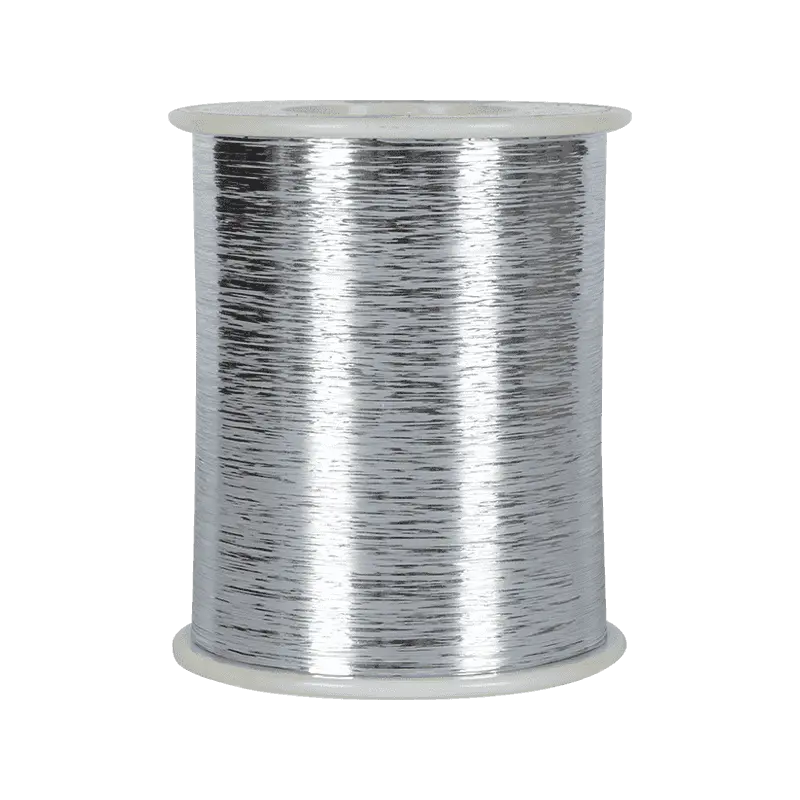
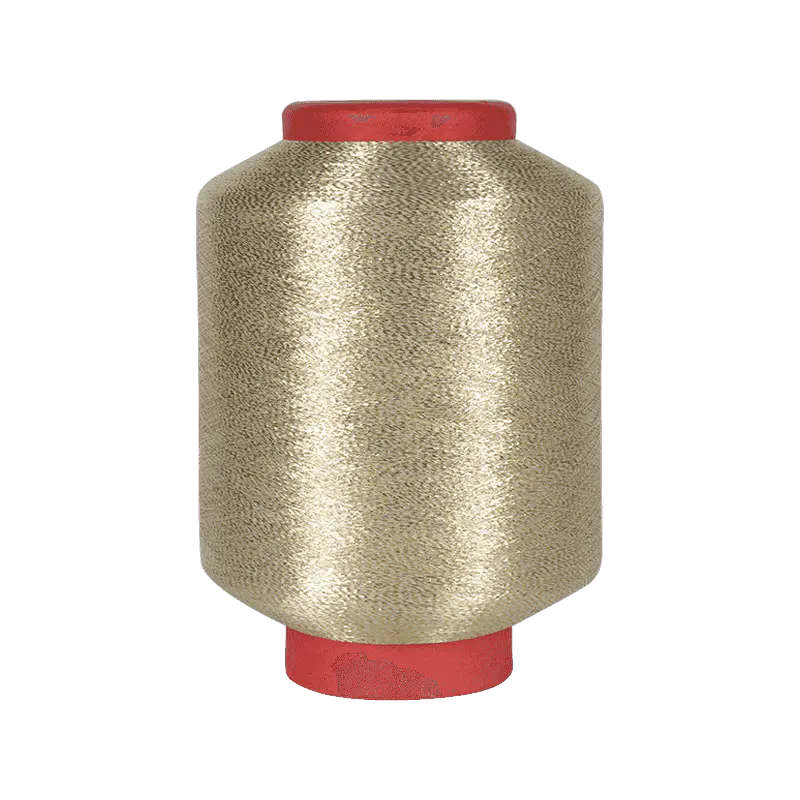
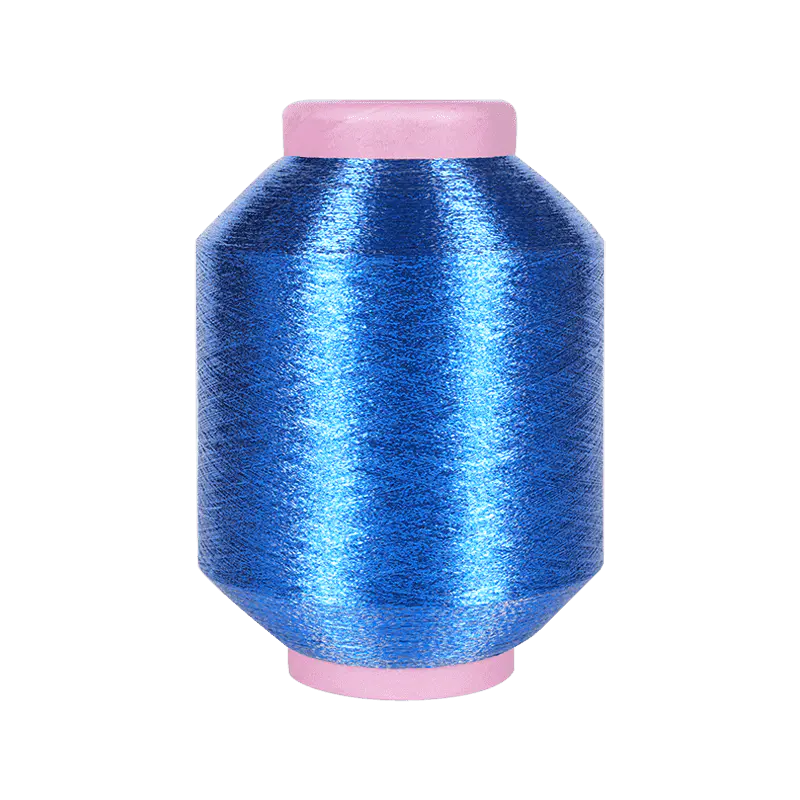
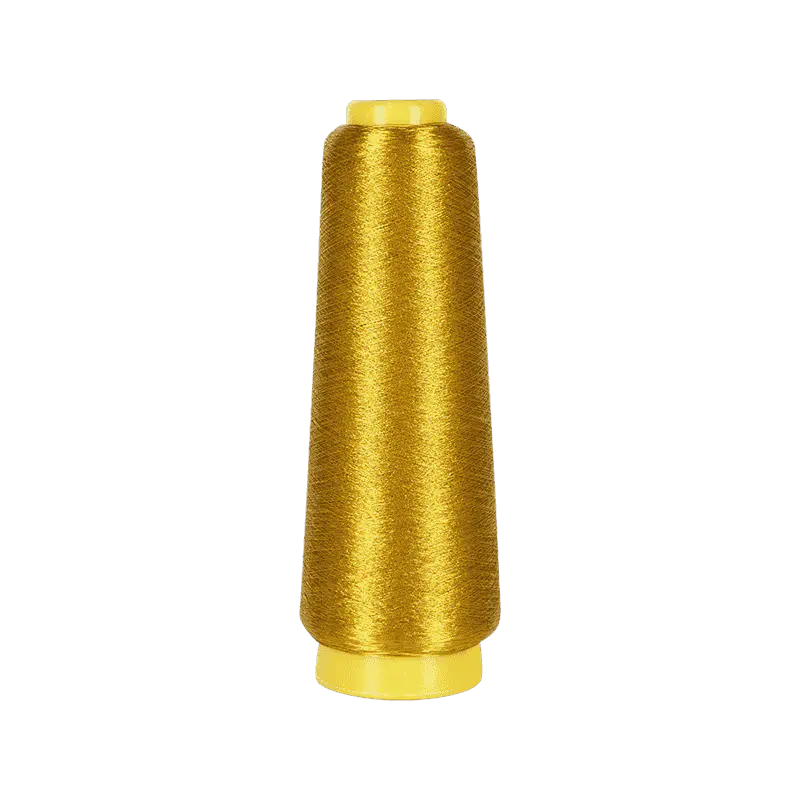
Aug 26,2026Metallic yarn is a textile material containing metallic elements or a metallic coating, typically used to enhance the visual appeal, durability, and functionality of fabrics. With the continuous development of fashion and textile technology, metallic yarn has gradually become an indispensable part of many high-end garments and special-purpose fabrics. Although metallic yarn is not a new technology, its unique luster and high strength characteristics have led to its widespread application in various fields.
The core characteristics of metallic yarn stem from its unique composition. It is primarily composed of metal wires, metal-coated fibers, or metal compounds combined with conventional fiber materials (such as polyester, nylon, etc.). The metal wires or coatings enhance the texture and functionality of the yarn. Common metallic materials include aluminum, copper, and stainless steel. These metals are blended with other natural or synthetic fiber materials through a series of spinning processes during manufacturing.
The manufacturing process of metallic yarn is very complex, usually requiring high-temperature treatment to ensure that the metallic components are firmly bonded to the fiber materials. The resulting metallic yarn possesses a unique luster and strength, and its surface can be smooth, rough, or have a special texture, all of which contribute to different visual effects in the finished fabric. Furthermore, with continuous technological advancements, the production process of metallic yarn is constantly being innovated, and improvements in coating technology have made metallic yarn perform even better in terms of wear resistance, oxidation resistance, and corrosion resistance.
In addition to its unique luster, the physical properties of metallic yarn are another reason for its popularity. Metallic yarn typically has high strength and wear resistance, which can strengthen the fabric structure and extend its lifespan. Due to the presence of the metallic component, the tensile strength of metallic yarn is usually higher than that of ordinary yarn, allowing it to withstand greater tension and ensuring the durability of the fabric in daily use.
At the same time, the conductive properties of metallic yarn give it unique functionality in certain fields. For example, metallic yarn is often used to make conductive fabrics, which are widely used in smart textiles. The conductive properties of metallic yarn enable fabrics to transmit electrical signals, driving the development of smart wearable devices and electronic textiles.
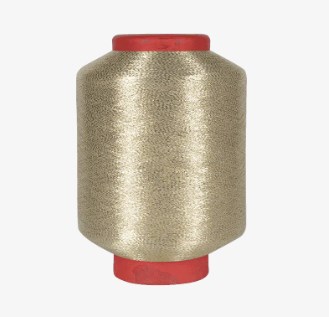
One of the most striking characteristics of metallic yarns is their unique optical effect. Especially under sunlight or strong light, the luster of metallic yarns can give fabrics a shiny, reflective, or metallic appearance. Therefore, they are often used in high-end fashion, stage costumes, and decorative fabrics for special occasions where visual impact is crucial.
Due to their strong reflective properties, metallic yarns can reflect light at different angles, presenting a variety of colors and effects, providing designers with rich creative inspiration. Through different weaving methods, metallic yarns can not only enhance the decorative appeal of fabrics but also improve their structural stability, creating more three-dimensional designs. Whether used as the main material for an entire garment or as a detail decoration, metallic yarns can add a touch of glamour and uniqueness to the final product.
Besides their decorative appeal, the functionality of metallic yarns is another reason for their increasing popularity. Metallic yarns can not only improve the strength and luster of fabrics but also endow them with more practical functions. For example, metallic yarns have strong anti-static properties, effectively preventing static electricity buildup and improving wearing comfort.
In some special application fields, the antibacterial properties of metallic yarns are also being gradually utilized. Adding certain metal elements, such as silver and copper, to the metal fibers can inhibit bacterial growth, reduce fabric odor and bacterial proliferation, resulting in better antibacterial effects. This characteristic makes metallic yarns widely used in medical textiles, sportswear, and outdoor equipment.
Metallic yarns also have certain applications in fire protection. Due to the high melting point of the metal fibers themselves, fabrics made from metallic yarns perform excellently in high-temperature resistance and fire resistance, providing a certain level of safety protection for wearers in specific working environments.
Metallic yarns have a very wide range of applications in the textile industry. In addition to their decorative applications in the fashion and luxury goods sectors, metallic yarns are also widely used in various fields such as industry, military, and medicine. In industry, metallic yarns are used to manufacture special fabrics that are heat-resistant, anti-static, and conductive, commonly used in workwear, protective clothing, and protective fabrics for electronic equipment. In the medical industry, metallic yarns are used to create antibacterial protective materials, such as surgical gowns and hospital bed sheets. Their antibacterial properties and high strength make fabrics in medical environments safer and more durable. Simultaneously, with the rise of smart textiles, metallic yarns are also being widely used in smart clothing and health monitoring, playing an increasingly important role.
The use of metallic yarn does not significantly affect the comfort of the fabric. Modern metallic yarn designs typically ensure that the metal filaments are tightly integrated with the fibers, preventing direct contact between the metal and the skin, thus avoiding discomfort. Especially with advancements in high-tech coating technologies, metallic yarns are becoming softer and maintaining the comfort of the fabric.
Metallic yarn will experience some wear and tear during use, but it has strong corrosion resistance, especially metallic yarn that has undergone special treatment, which can effectively resist oxidation and corrosion. Using high-quality metallic yarn ensures the durability of the fabric and allows for a longer lifespan even in harsh environments.
Metallic yarn is suitable for various types of textiles, but due to its unique texture and functional requirements, it is usually used in fabrics that require enhanced visual effects, durability, or special functions. When choosing metallic yarn, it is necessary to select the appropriate type based on specific design needs and applications.
Cleaning and maintaining metallic yarn is relatively simple, but it is important to avoid using strong acidic or alkaline detergents and high-temperature drying. To extend the lifespan of metallic yarn, it is recommended to use gentle washing methods and avoid contact with rough materials.
As an innovative textile material, metallic yarn is gradually changing the face of traditional textiles with its unique physical properties and wide range of applications. Whether in high-end fashion or in professional fields such as industry and medicine, metallic yarn demonstrates enormous potential and value. In the future, with further technological advancements, the application of metallic yarn will become even more widespread, bringing more innovation and breakthroughs to the textile industry.
How does recycled yarn perform? Can it meet the demands of high-end textiles?
2025-12-08How can recycled yarn drive environmental protection and innovation in the textile industry?
2025-12-22Your email address will not be published. Required fields are marked *