English
 русский
 Español
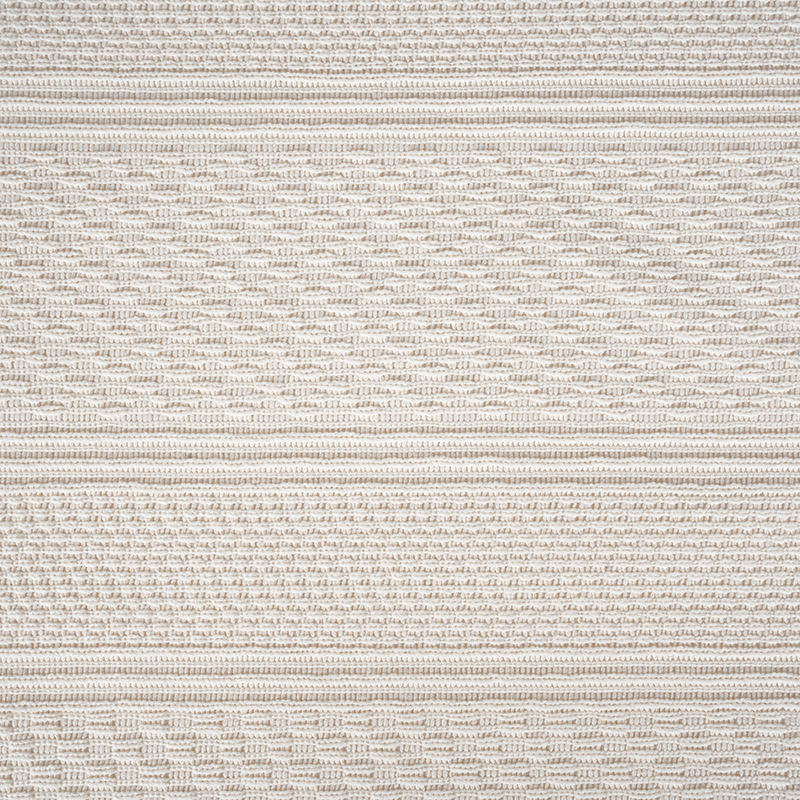
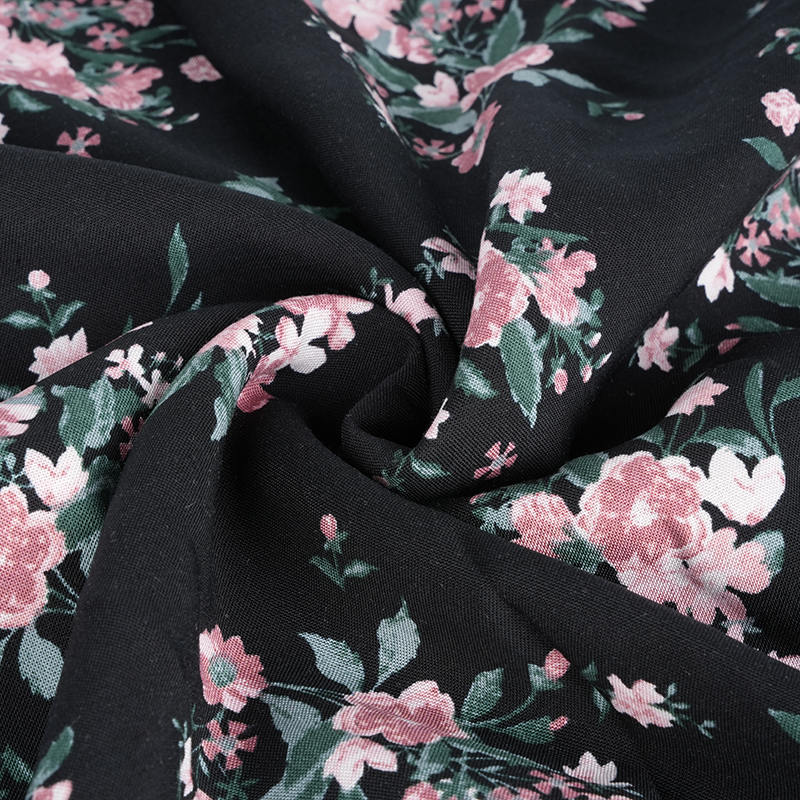
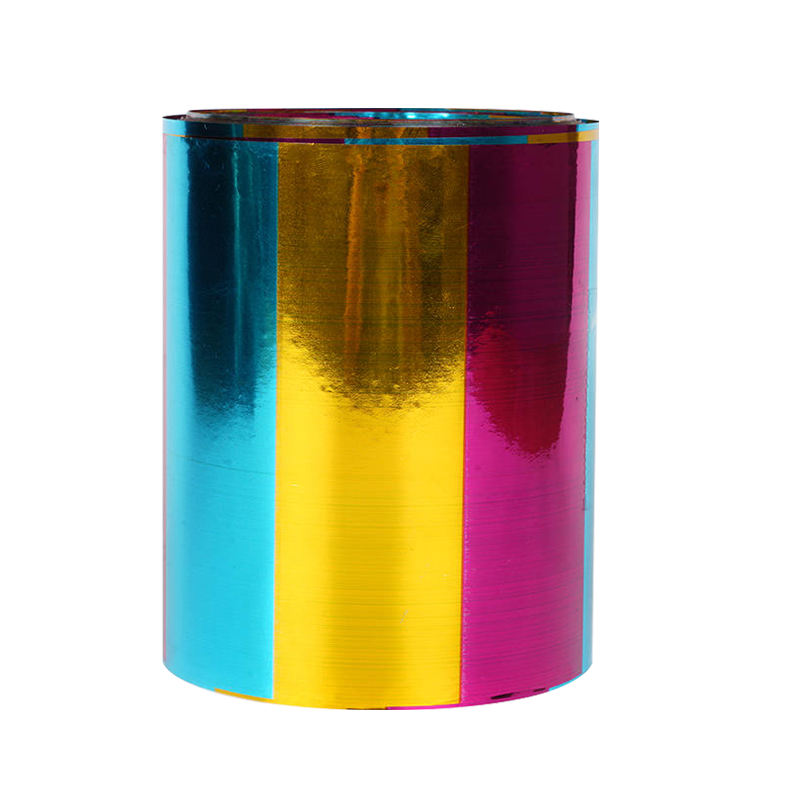
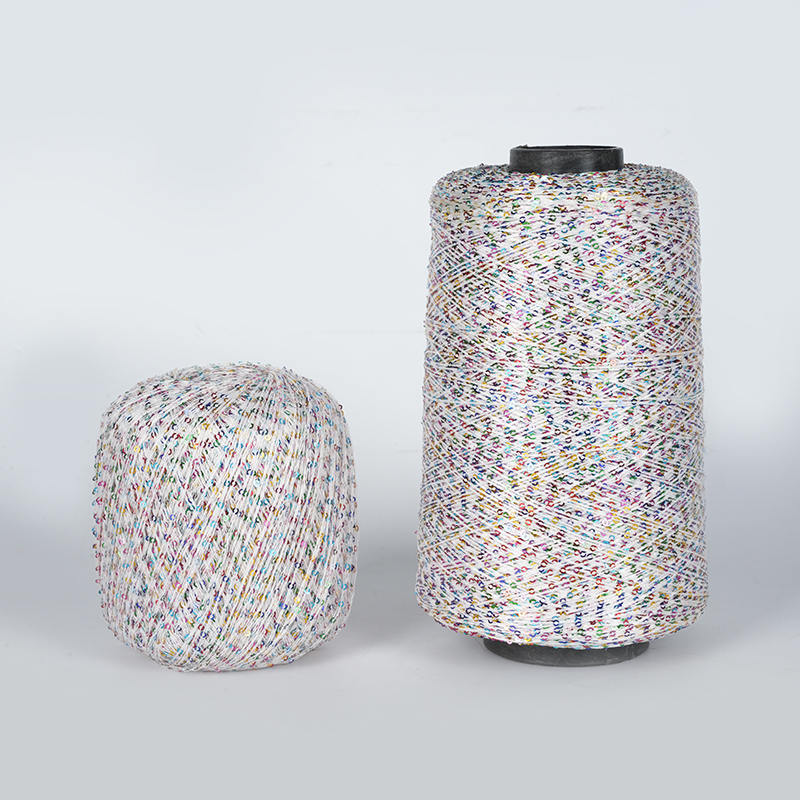
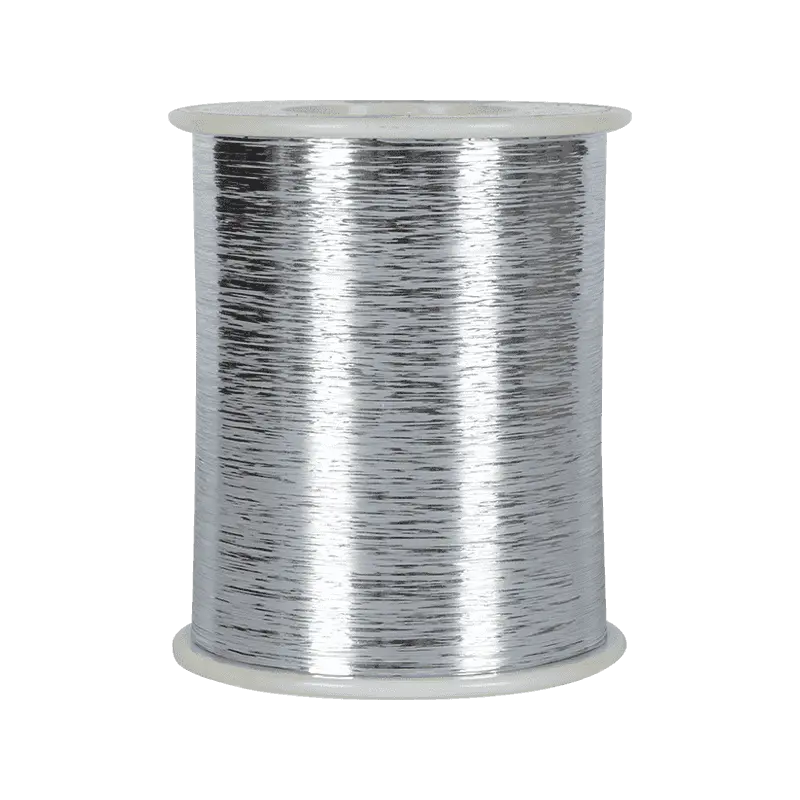
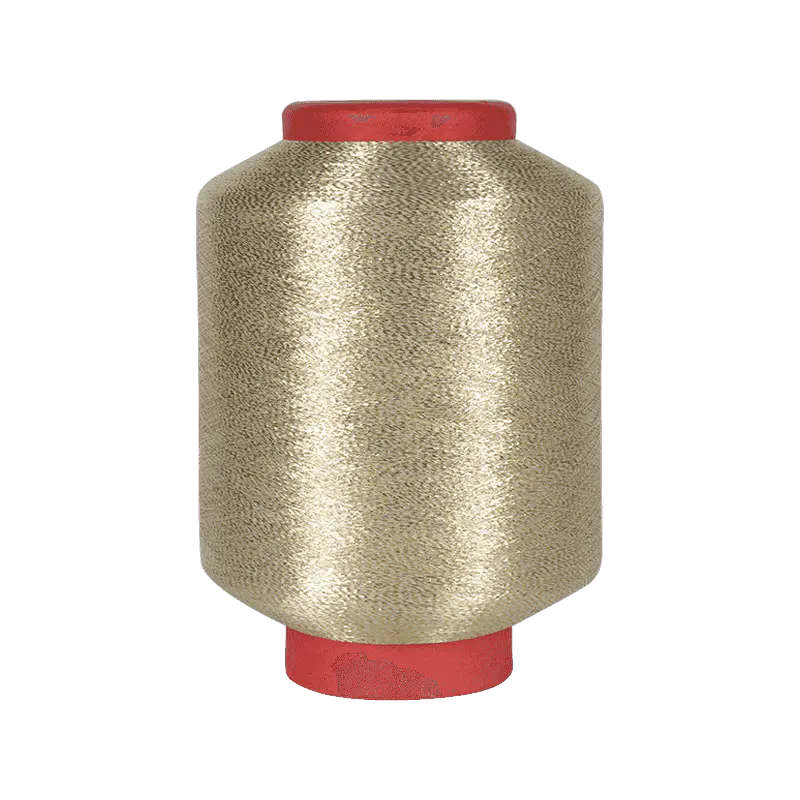
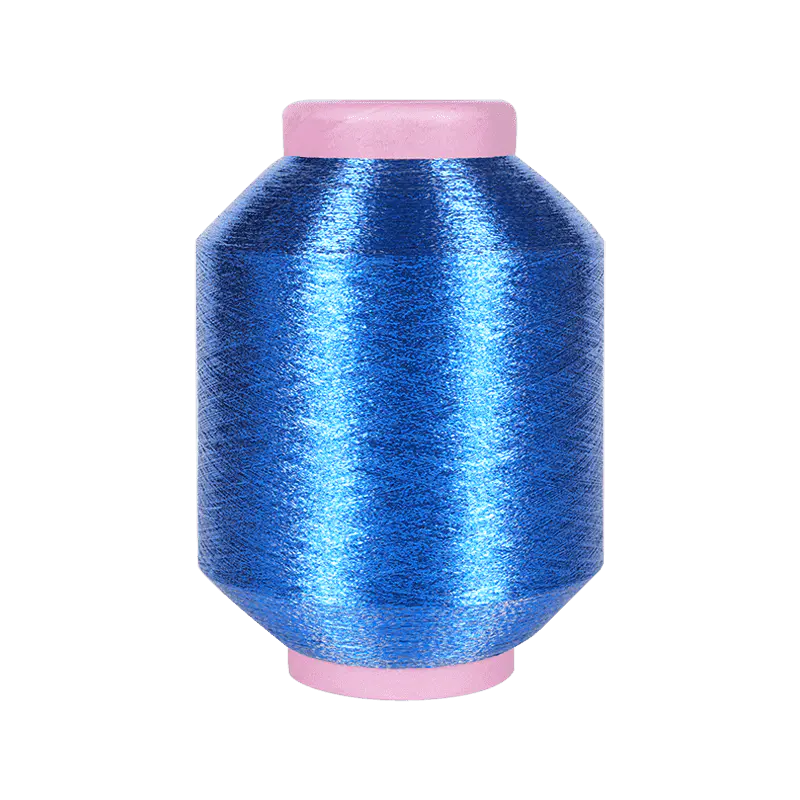
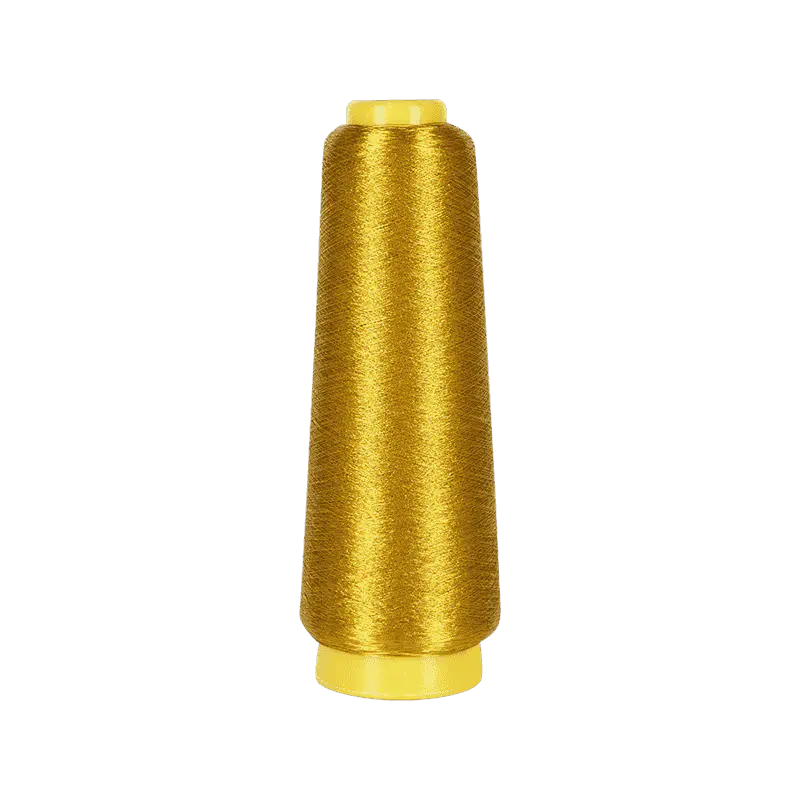
Fancy Yarn is a highly creative and distinctive type of yarn in the textile industry. Compared to traditional yarns, fancy yarns not only meet basic textile needs in terms of function, but also exhibit rich variations in appearance, feel, and color, playing an increasingly important role in the modern fashion industry.
Definition and Characteristics of Fancy Yarn
Fancy yarn is a type of yarn made from a variety of different fiber materials through special processing techniques. These yarns often exhibit irregular structures and possess unique color variations or textural effects. Unlike traditional single yarns, the surface and interior of fancy yarns often show asymmetrical lines, or subtle patterns and a three-dimensional feel, bringing a more vivid and rich visual effect to the fabric.
The main characteristics of fancy yarn include:
- Diverse textures and feel: Fancy yarns can be made from a mixture of different natural and chemical fibers, so their texture is very varied, ranging from soft, rough, and smooth to somewhat elastic.
- Unique appearance: Due to the use of different processes, such as twist variations, pleating, or winding, the appearance of fancy yarns is richer and more interesting than ordinary yarns. Its surface often has a natural irregularity, forming various natural and flowing patterns.
- Color variations: Fancy yarns have diverse color variations, ranging from elegant monochrome styles to colorful mixed effects, meeting different design needs.
Manufacturing Process of Fancy Yarn
The manufacturing process of fancy yarn is relatively complex, involving multiple steps. Manufacturers need to select different fiber materials according to design requirements; the characteristics and color combinations of these materials are important factors in determining the final effect. During the spinning process, special techniques such as twisting, drawing, winding, or interlacing are used to achieve the desired texture, thickness, and appearance of the yarn.
Among them, twist variation is a commonly used technique in fancy yarn manufacturing. Twist refers to the degree of twisting formed during the rotation of the yarn. By controlling the twist variation, fancy yarns can create rich textures and different levels of effects. In addition, by using different weaving processes and fiber interlacing techniques, the surface of fancy yarns can exhibit unique ripples, pleats, or other forms of visual effects. This complex manufacturing process makes fancy yarns both artistic and highly practical in the market. For designers, fancy yarns offer unlimited possibilities for their creations.
Main Application Areas of Fancy Yarns
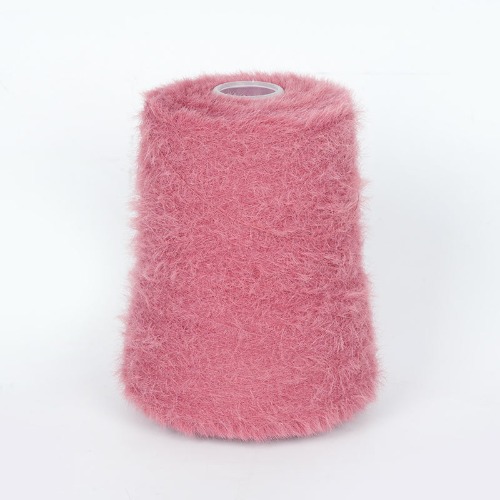
Due to their unique appearance and feel, fancy yarns are widely used in the production of clothing, home furnishings, and various decorative fabrics. In the fashion industry, fancy yarns not only add texture and depth to clothing but also create unique design effects. The following are some of the main application areas of fancy yarns:
1. Clothing Design
In fashion design, fancy yarns can provide rich textures and structural variations to garments. Whether used as the main fabric or as decorative details, the addition of fancy yarns significantly enhances the visual effect and wearing experience of clothing. Their delicate texture and color variations give clothing more depth and dynamism, meeting modern consumers' dual demands for fashion and comfort.
2. Home Furnishings
Fancy yarns are also widely used in home furnishings. Whether used for sofa covers, curtains, carpets, or bedding, fancy yarns can bring a unique artistic atmosphere to the home space. Their diverse textures and color variations make the home environment richer and more colorful, adding warmth and personality.
3. Hand Knitting
For handicraft enthusiasts, fancy yarns are undoubtedly one of the most popular materials for knitting. Their unique colors and structural variations make hand-knitted works more artistic and are often used to make accessories such as scarves, hats, and gloves. Furthermore, the versatility of fancy yarns provides knitting enthusiasts with more creative space, becoming an important material for them to pursue unique designs.
4. Decorative Fabrics
In some high-end decorative fabrics, the use of fancy yarns is even more frequent. For example, wall decorations, curtains, or tablecloths made with fancy yarns can add a unique visual effect to the space. Their complex textures and color variations make the fabric itself a part of the home decoration.
How to Choose Fancy Yarns?
When choosing fancy yarns, it is necessary to consider factors such as material, color, texture, and feel based on the specific use. For clothing design, the softness and elasticity of the yarn are crucial; while for home furnishings, durability and color matching are particularly important. When choosing, attention should also be paid to practical properties such as the washability and tensile strength of the fancy yarn.
FAQ
1. What are the advantages of fancy yarn?
The main advantages of fancy yarn are its unique appearance and feel, which can add rich layers and visual effects to fabrics. In addition, its diversity and creativity allow for great freedom in design.
2. Is fancy yarn suitable for all types of fabric production?
While fancy yarn is suitable for many different types of fabric production, due to its special texture and manufacturing process, some textiles may not be suitable for using fancy yarn. The suitability of using fancy yarn usually needs to be determined based on the intended use and desired effect.
3. How should fancy yarn be cared for?
Fabrics made with fancy yarn usually require special care. Generally, high temperatures and excessive friction should be avoided, and a gentle cleaning method should be used, avoiding strong chemical cleaning agents.
4. Can fancy yarn be mixed with other yarns?
Fancy yarn is often used in combination with other yarns to enhance the visual effect while maintaining the comfort of the fabric. Combining different types of yarns can further enrich the texture and layers of the fabric.