English
 русский
 Español
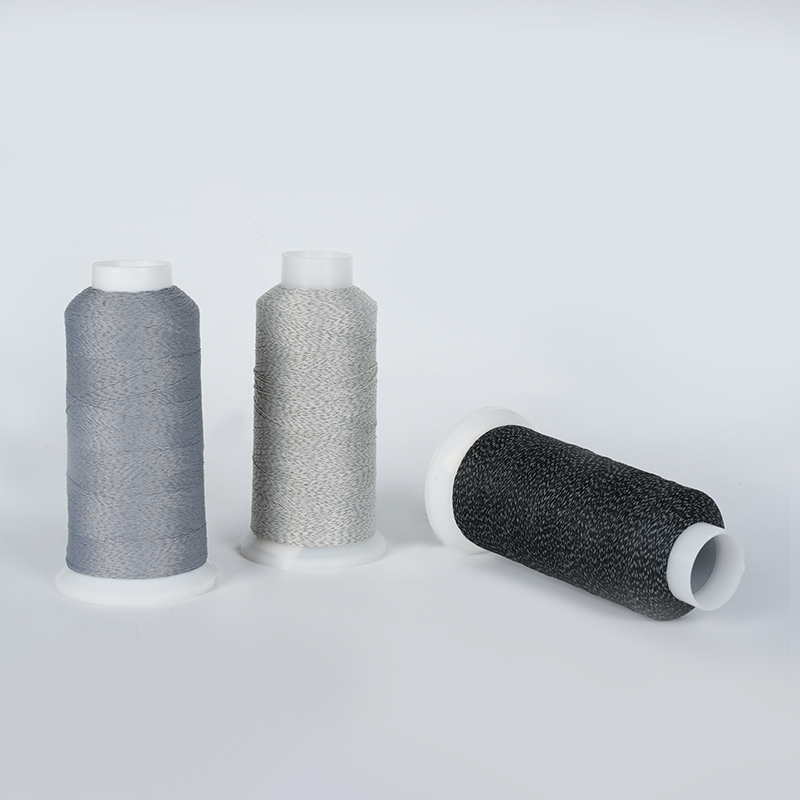
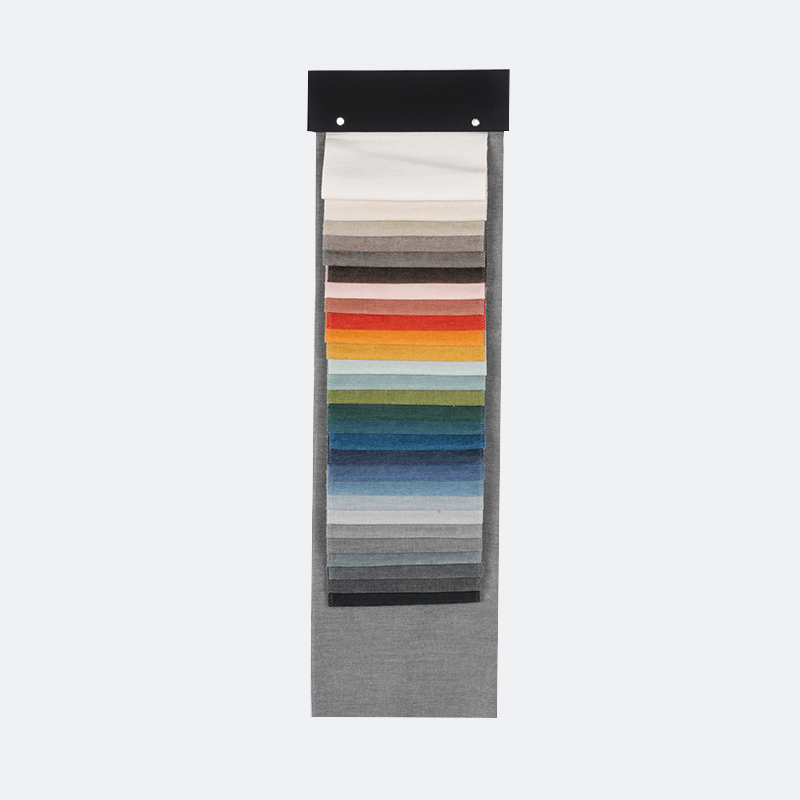
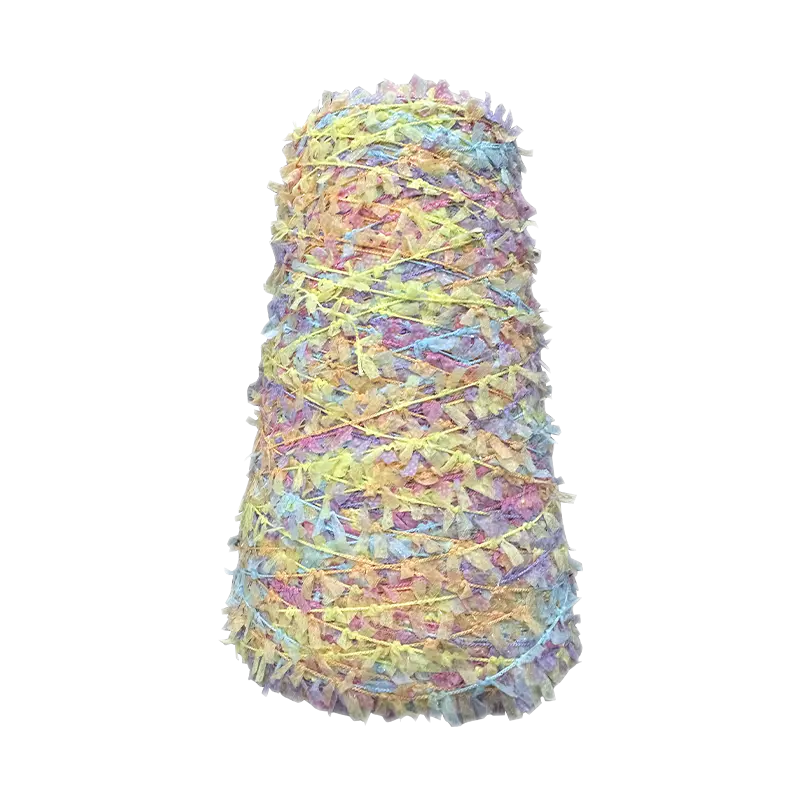
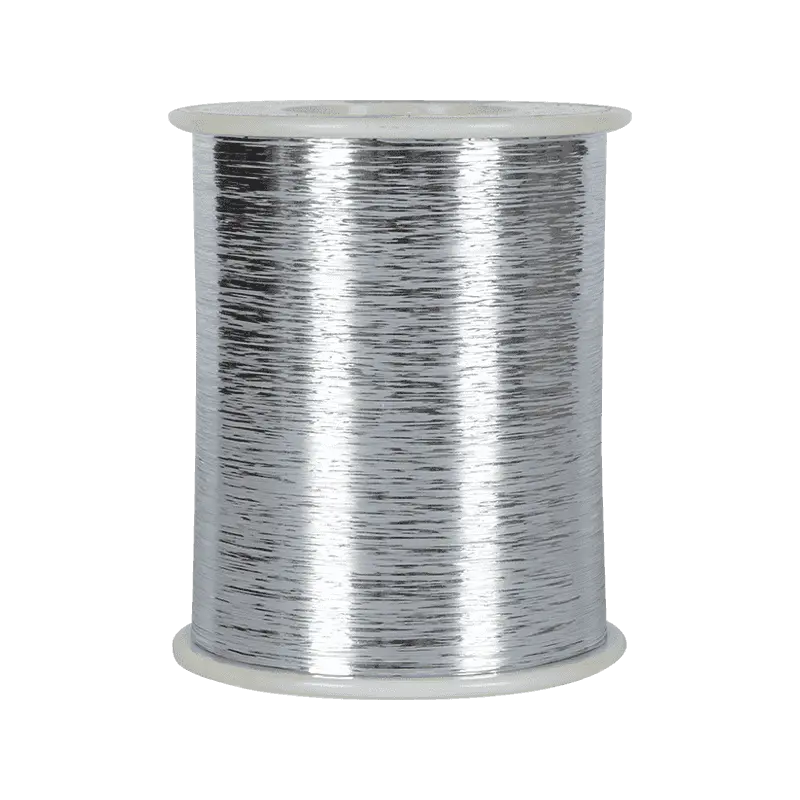
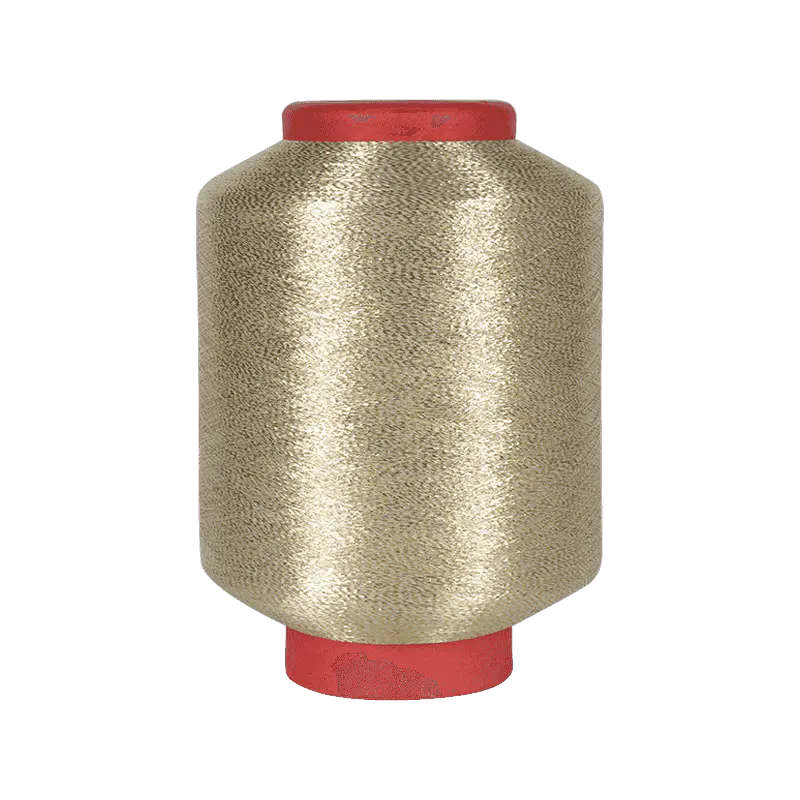
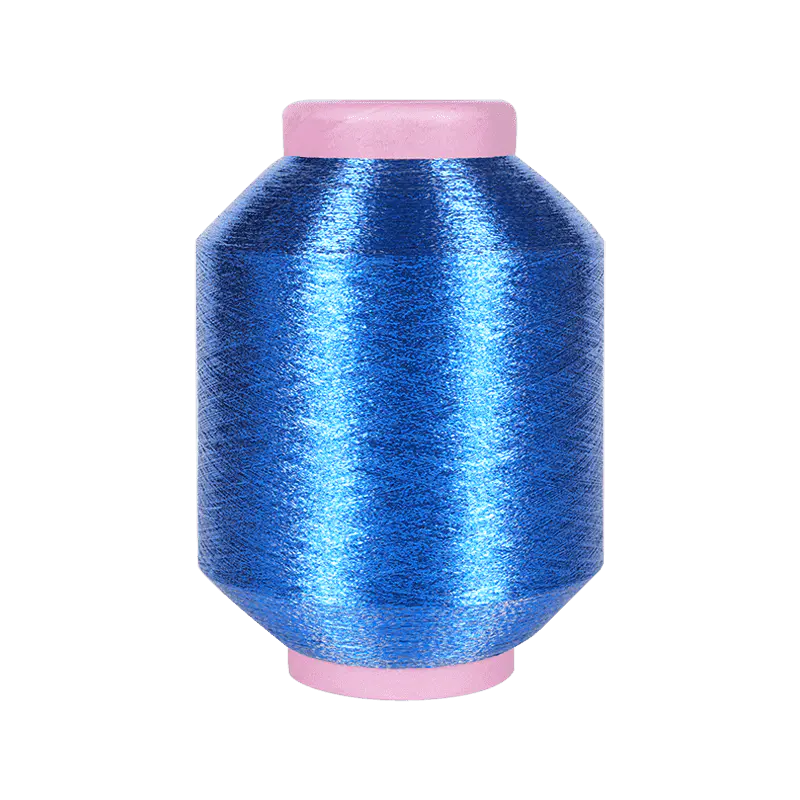
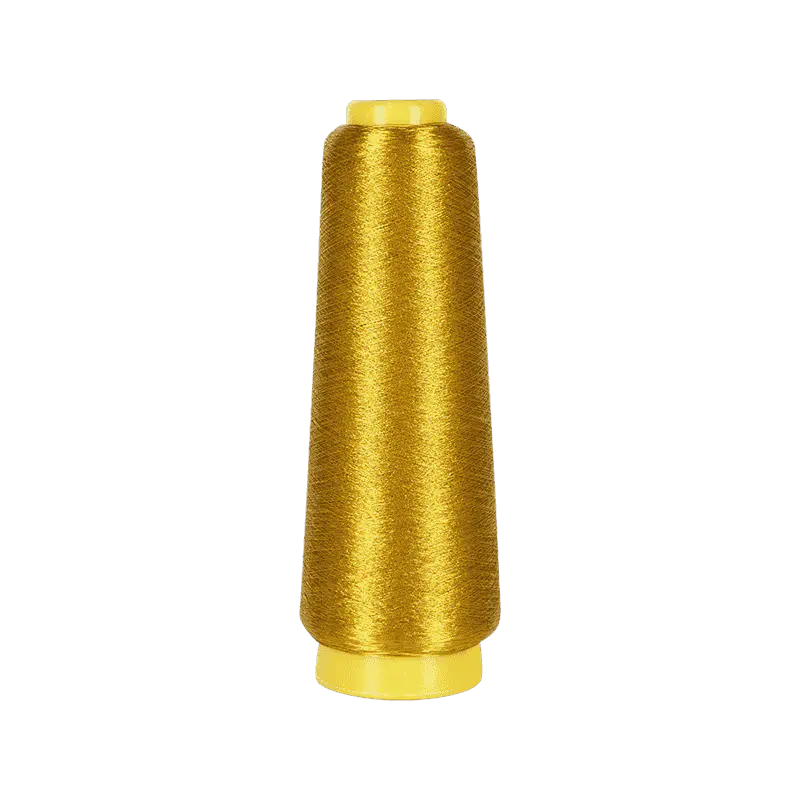
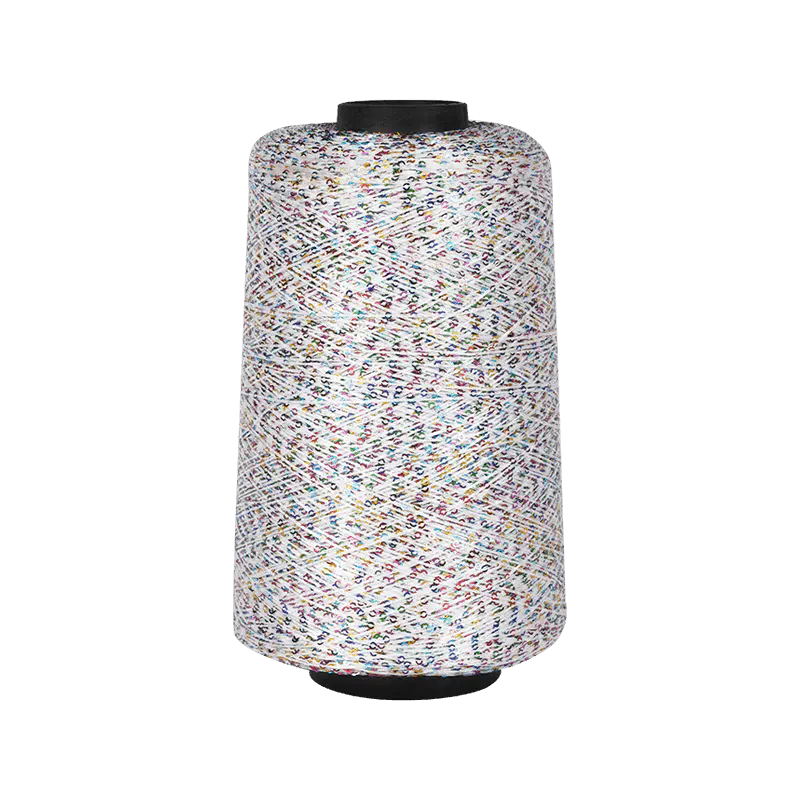
Polyester metallic yarn combines synthetic durability with decorative metallic effects, making it an essential material for modern textile manufacturers. Unlike traditional metal-based threads, this lightweight alternative offers enhanced flexibility, superior abrasion resistance, and cost efficiency—without compromising on that premium metallic appearance that elevates product design.
50%
Lighter than traditional metallic threads
10+
Customizable yarn counts and finishes
4
Compatible textile production methods
1 What Makes Polyester Metallic Yarn Essential for Textile Manufacturers
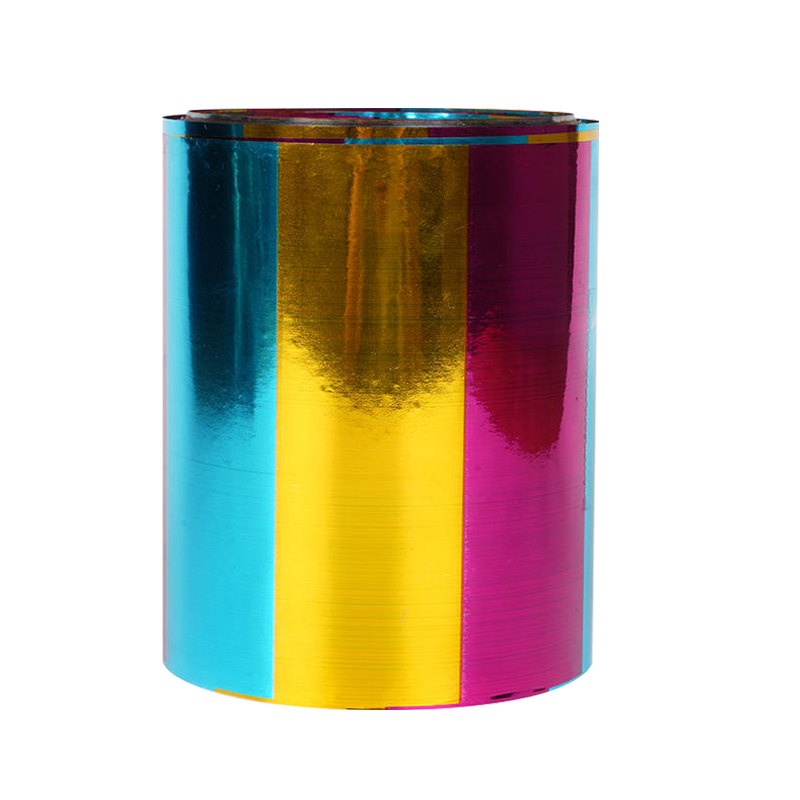
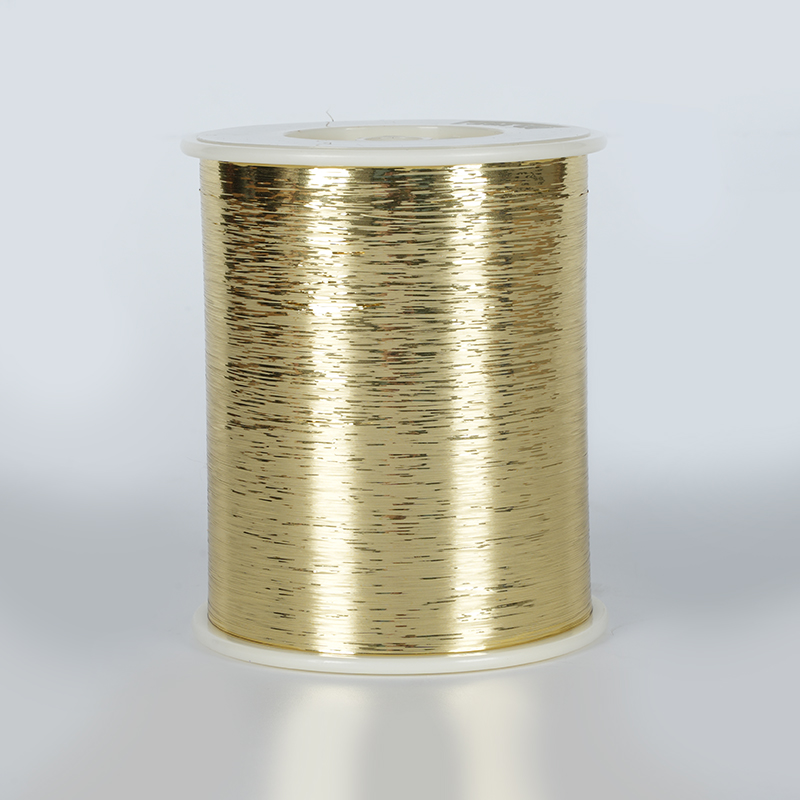
Polyester metallic yarn consists of a polyester filament core wrapped with or laminated to a metallic film layer. This composite construction delivers two distinct advantages: the structural integrity of polyester combined with the visual appeal of metallic effects. The material works by using polyester fibers to provide tensile strength while the metallic coating creates reflective and decorative properties that immediately catch the eye.
The yarn maintains consistent performance across weaving, knitting, embroidery, and jacquard production processes—a flexibility that traditional metallic threads simply cannot match. Manufacturers can integrate polyester metallic yarn into existing production lines with minimal adjustments, reducing downtime and setup costs.
Exceptional abrasion resistance: Polyester's molecular structure resists wear, fraying, and fiber degradation even under repeated washing and heavy daily use.
Dimensional stability: The yarn maintains its structure and appearance through production, storage, and end-use without color bleeding or metallic layer separation.
Extended service life: Products made with polyester metallic yarn require replacement less frequently, reducing long-term material costs.
2 Real Applications Across Six Major Industries
Polyester metallic yarn finds practical use wherever durability meets aesthetic demand. Each industry leverages different properties of the material.
| Industry | Specific Uses | Key Value |
| Fashion & Apparel | Evening wear, luxury fabrics, decorative garments | Premium appearance with lightweight comfort |
| Sportswear | Athletic clothing, performance fabrics, reflective wear | Aesthetic enhancement plus functional durability |
| Home Textiles | Curtains, upholstery, interior decoration materials | Luxury look with lasting color and sheen |
| Automotive | Seat fabrics, interior trim, decorative components | Style durability that withstands daily wear |
| Industrial Fabrics | Specialty textiles, functional materials | Customized solutions for specific technical needs |
| Packaging Materials | Decorative wrapping, specialty films, ribbons | Visual differentiation at point of sale |
3 How Polyester Metallic Yarn Is Manufactured
Understanding the production process clarifies why polyester metallic yarn delivers consistent quality across batches. The manufacturing follows a precise sequence of steps, each monitored for performance specifications.
- Raw material selection: High-quality polyester filament is sourced and inspected for purity and fiber consistency. Metallic films and coating materials are prepared simultaneously.
- Coating or lamination: Metallic layers are bonded to the polyester filament through advanced coating or lamination technologies. Coating uniformity is critical to final appearance.
- Drying and curing: The composite yarn passes through controlled-temperature drying zones to set the metallic layer and ensure bonding strength.
- Twisting and formation: Individual filaments are twisted together to create the final yarn structure, with tension carefully controlled throughout.
- Surface treatment: The finished yarn may receive additional surface treatments to enhance smoothness and reduce friction during textile processing.
- Quality testing: Tensile strength, abrasion resistance, color fastness, and appearance are tested against industrial textile standards before packaging.
Quality Consistency Matters: Manufacturers rely on polyester metallic yarn that delivers predictable results across production runs. Batch-to-batch variation in yarn strength, color, or metallic effect can disrupt weaving speed and create visible defects in finished fabric. This is why working with an established supplier using advanced quality control systems is essential.
4 Five Critical Factors When Selecting Polyester Metallic Yarn
1. Application Requirements Determine Yarn Specifications
Decorative applications prioritize visual impact—a bold, reflective metallic finish. Industrial or functional textiles prioritize durability and processing compatibility. Evaluate whether your end product demands maximum visual effect, maximum durability, or a balance of both.
2. Verify Tensile Strength and Flexibility Performance
Request material testing data showing tensile strength (measured in cN/tex) and elongation at break. Polyester metallic yarn should exhibit the strength properties listed in technical specifications without becoming brittle or inflexible during processing.
3. Confirm Color Stability and Processing Compatibility
Ensure the yarn has been tested for color fastness to washing, light exposure, and chemical treatments relevant to your production environment. Verify compatibility with your specific weaving, knitting, or embroidery machinery.
4. Evaluate Supplier Customization Capabilities
Leading suppliers offer customization in yarn count, metallic coating type, color options, and packaging specifications. Confirm that your supplier can scale production to meet your bulk requirements without sacrificing quality or lead times.
5. Check Manufacturing Experience and Quality Systems
Ask about the supplier's production history with polyester metallic yarn, certifications (ISO standards), and how they manage batch consistency. An experienced manufacturer invests in advanced quality control systems that protect your production schedules.
5 Why Polyester Metallic Yarn Outperforms Traditional Alternatives
Polyester metallic yarn addresses multiple limitations of older metallic thread technologies. Pure metal-based threads corrode, break under tension, require specialized handling, and add significant weight to finished products. Conventional metallic threads cannot compete on flexibility, processing speed, or cost.
Polyester's synthetic nature eliminates corrosion concerns, reduces weight by up to 50 percent compared to traditional metallic threads, and processes at standard textile speeds without modification. The cost advantage becomes especially pronounced in large-scale production—when bulk volumes are required, polyester metallic yarn delivers premium visual effects at a fraction of the cost of pure metallic alternatives.
6 Future Developments in Polyester Metallic Yarn Technology
The industry is moving toward advanced coating technologies that enhance metallic effects while reducing environmental impact. Recycled polyester bases are becoming more viable, allowing manufacturers to align with sustainability goals without compromising performance. Smart textile integration—embedding conductive or responsive properties within polyester metallic yarn—represents an emerging frontier for functional textiles.
7 Frequently Asked Questions About Polyester Metallic Yarn
Can polyester metallic yarn be used in home washing machines without color loss?
Yes, when sourced from a quality manufacturer. Polyester metallic yarn that meets industrial textile standards has been tested for color fastness to standard laundry cycles, typically rated as excellent stability at 40–60°C water temperatures. Always request color fastness test results from your supplier.
What is the typical yarn count range available?
Leading suppliers offer polyester metallic yarn in multiple counts, typically ranging from fine deniers (100D–150D) for delicate applications to heavier constructions (500D–1000D+) for industrial and automotive uses. Custom counts can often be negotiated for large orders.
How does polyester metallic yarn compare to lurex yarn?
Lurex is a trademarked type of metallic yarn that combines polyester with a plastic film layer. Modern polyester metallic yarn encompasses a broader range of coating technologies and can match or exceed lurex performance while offering better customization and sometimes lower cost for bulk orders.
What lead time should I expect for bulk orders?
Standard production lead times for polyester metallic yarn are typically 2–4 weeks for custom colors or specifications. Suppliers with advanced inventory management may offer shorter lead times for standard configurations. Discuss requirements directly with your supplier to confirm timelines.
 |
 |