English
 русский
 Español
PET Film Is the Most Versatile and Indispensable Plastic Substrate in Modern Industry
To address the core question directly: PET film, scientifically known as polyethylene terephthalate film, stands as the most versatile, reliable, and widely utilized plastic substrate in modern manufacturing. Its unique combination of exceptional mechanical strength, superior thermal stability, and excellent optical clarity makes it the default material choice for industries ranging from flexible electronics and photovoltaic energy to food packaging and medical diagnostics. When engineers and product designers require a material that must endure extreme temperatures, resist chemical degradation, and maintain structural integrity under stress, PET film is overwhelmingly the primary solution.
The dominance of this material is not accidental. It represents a perfect intersection of performance and processability. Unlike other polymer films that might excel in one specific area but fail catastrophically in others, PET film offers a balanced profile. It does not become brittle at freezing temperatures, nor does it melt or deform easily under moderate heat. This predictable behavior allows manufacturers to run high-speed production lines with minimal material failure, directly contributing to reduced waste and increased operational efficiency. The fundamental value of PET film lies in its ability to act as a dependable foundation—whether it is carrying microscopic conductive traces in a smartphone display or serving as an impermeable barrier to oxygen in a packaged food product.
Fundamental Material Properties That Define PET Film
The widespread adoption of PET film is rooted in its distinct molecular structure. As a semi-crystalline thermoplastic, it possesses both amorphous and crystalline regions within its microstructure. This dual nature is responsible for its remarkable physical characteristics, allowing it to bridge the gap between flexible films and rigid plastics.
Mechanical Strength and Durability
PET film exhibits a high tensile strength that far exceeds common alternatives like polyethylene or polypropylene films. This means it can withstand significant pulling forces without elongating permanently or tearing. In practical applications, such as magnetic tape substrates or industrial conveyor belts, this tensile strength ensures that the film does not snap or deform during high-speed operation. Furthermore, PET film possesses outstanding dimensional stability. When exposed to moisture or varying humidity levels, many plastics swell or shrink, leading to misalignment in printing or coating processes. PET film resists these dimensional changes, maintaining precise tolerances required for multi-layer electronic components.
Thermal Resistance and Stability
One of the most critical advantages of PET film is its ability to perform across a broad temperature range. Standard PET film can continuously operate in environments exceeding 150 degrees Celsius without significant loss of mechanical properties. This thermal resistance makes it essential for applications like flexible printed circuit boards, where the film must survive soldering processes. Additionally, PET film maintains its flexibility and toughness at sub-zero temperatures, making it suitable for cryogenic applications and outdoor environments where seasonal temperature fluctuations are extreme.
Optical Clarity and Surface Qualities
In its amorphous form, PET film is highly transparent, boasting excellent light transmission and low haze. This optical purity is why it is the foundational layer for touch screens, display windows, and optical lenses. Beyond raw clarity, the surface of PET film can be engineered during the manufacturing process to possess specific properties. It can be manufactured with a high-gloss finish for aesthetic consumer packaging, or a matte finish to reduce glare in industrial control panels. The surface energy of PET film also allows it to be readily treated, coated, or laminated with other materials without delamination.
The Manufacturing Process Behind PET Film Production
Understanding how PET film is made is crucial to understanding its properties. The vast majority of PET film is produced using a specialized extrusion and stretching process that aligns the polymer molecules, dramatically enhancing the film's strength.
Extrusion and Quenching
The process begins with PET resin pellets being melted under intense heat. This molten polymer is forced through a flat die, creating a thick, continuous sheet. Immediately upon exiting the die, the hot sheet is quenched—rapidly cooled—on a chilled roller. This rapid cooling locks the polymer into an amorphous state, meaning the molecules are disordered. At this stage, the material is essentially extruded cast sheet, which is cloudy and relatively weak. It is not yet true PET film.
Biaxial Orientation
The transformation occurs during a process called biaxial orientation. The amorphous sheet is heated again to a specific temperature where it becomes rubbery but not melted. It is then stretched simultaneously in both the machine direction (lengthwise) and the transverse direction (widthwise) using a tenter frame. This stretching forces the tangled polymer chains to uncoil and align in a parallel, orderly fashion. This molecular alignment is the secret to the film's strength, creating a material that is significantly stronger than the raw resin itself. Once stretched, the film is heat-set under tension to lock in the molecular alignment and prevent the film from shrinking later when exposed to heat.
Specialized Variations in Production
By altering the stretching ratios, temperatures, and cooling rates, manufacturers can produce different grades of PET film. Heat-stabilized film undergoes additional thermal treatment to minimize shrinkage, which is critical for precise graphic overlay printing. Conversely, shrinkable PET film is intentionally manufactured with lower heat-setting temperatures so that when exposed to moderate heat later, it shrinks tightly around objects, making it ideal for tamper-evident bottle seals.
Critical Industrial Applications of PET Film
The theoretical properties of PET film only matter because they translate into practical solutions across diverse sectors. The material acts as an invisible enabler in many technologies that define modern life.
Flexible Electronics and Display Technologies
The consumer electronics revolution relies heavily on PET film. In smartphones, tablets, and laptops, the transparent conductive layers that register touch inputs are almost exclusively deposited onto PET film substrates. The film provides the necessary optical clarity for the display while offering a flexible, lightweight alternative to glass. Furthermore, in the realm of flexible printed circuits, PET film serves as the dielectric base material. It supports copper traces that connect components in compact devices, such as wearable health monitors and folding smartphones, where rigid circuit boards would simply crack under repeated bending.
Advanced Packaging Solutions
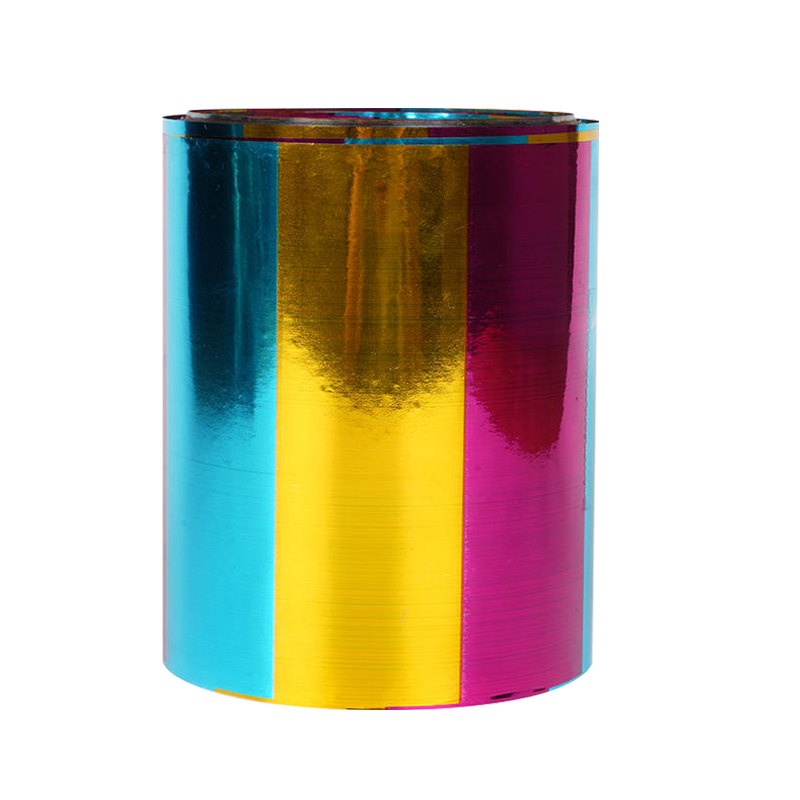
In the packaging industry, PET film is utilized in two primary ways: as a standalone barrier film and as a structural layer in laminates. Metallized PET film, created by vapor-depositing a microscopic layer of aluminum onto the film, provides an exceptional barrier against light, oxygen, and moisture. This dramatically extends the shelf life of sensitive food products like snack foods and coffee. When laminated with polyethylene, PET film provides the puncture resistance and printability needed for heavy-duty stand-up pouches used in industrial food packaging.
Photovoltaic and Renewable Energy
Solar panel manufacturing represents a major application for highly specialized PET film. The backsheet of a solar module—the outermost layer protecting the sensitive silicon cells from the environment—is typically a multi-layer composite centered around PET film. This backsheet must endure decades of ultraviolet radiation, thermal cycling from day to night, and exposure to moisture without degrading. Fluoropolymer-coated PET film provides this essential weatherability, ensuring the long-term electrical insulation and structural integrity of the solar panel.
Medical and Imaging Industries
The healthcare sector depends on PET film for diagnostic imaging, specifically X-ray film. The film must be perfectly clear, dimensionally stable to ensure precise anatomical alignment, and strong enough to withstand automated processing equipment. Additionally, PET film is used in medical packaging for sterile surgical instruments. It can be formed into rigid blister packs that are tough enough to resist punctures during transport, yet can be easily peeled open in the operating room without generating particulate contamination.
Comparative Analysis: PET Film Versus Alternative Substrates
To truly appreciate the value of PET film, it is necessary to evaluate it against competing materials. Engineers must constantly choose the correct substrate based on the specific demands of their application, and understanding the trade-offs is vital.
| Material Property | PET Film | Polypropylene Film | Polycarbonate Film |
|---|---|---|---|
| Maximum Continuous Temperature | High | Low to Moderate | Very High |
| Tensile Strength | Excellent | Moderate | Good |
| Dimensional Stability | Excellent | Poor | Good |
| Chemical Resistance | Good | Excellent | Moderate |
| Cost Efficiency | High | Very High | Low |
As the table illustrates, PET film occupies a highly strategic middle ground. While polycarbonate offers higher temperature resistance, it is significantly more expensive and less chemically resistant, making it unsuitable for high-volume packaging. While polypropylene is cheaper and highly resistant to certain chemicals, it suffers from poor dimensional stability and low melting points, disqualifying it from electronic or high-temperature printing applications. PET film provides the optimal balance of performance and cost for the majority of demanding industrial applications.
Surface Treatments and Functional Enhancements
Raw PET film is rarely used in its basic state. To unlock its full potential for specific applications, the surface of the film must be modified. These treatments alter the surface energy of the film, allowing it to bond with inks, adhesives, and metallic coatings that would otherwise peel away.
Corona Treatment
This is the most common method for preparing PET film for printing and laminating. The film is passed over a grounded roller beneath a high-voltage electrode, generating a corona discharge. This bombardment of charged particles oxidizes the surface of the film, breaking polymer chains and creating polar groups. This dramatically increases the surface energy, allowing liquid inks and adhesives to spread evenly and adhere strongly rather than beading up and repelling.
Chemical Coatings and Primers
For more demanding applications, chemical primers are applied to the PET film. In the graphics industry, specialized coatings are applied to create photographic-grade printing surfaces that can absorb dye-based or pigmented inks with exceptional resolution and color gamut. In the electronics industry, anti-static coatings are frequently applied to PET film to prevent the accumulation of electrostatic charges, which could attract dust or destroy sensitive microchips during the handling and assembly of flexible circuits.
Hard Coats and Anti-Scratch Layers
While PET film is tough, its surface can be scratched by abrasion. To expand its use into touch screens and membrane switches, thin layers of cross-linked acrylics or silicones are cured onto the surface of the film. These hard coats provide resistance to scratching from styluses, fingernails, and cleaning agents, ensuring the optical clarity and functionality of the interface are maintained over years of heavy use.
Environmental Considerations and Sustainability Pathways
The plastics industry is under intense scrutiny regarding environmental impact, and PET film is a central part of this conversation. However, the sustainability profile of PET film is distinctly more favorable than that of many other plastics, primarily due to its chemistry.
PET is inherently recyclable. Unlike multi-material laminates that are impossible to separate, pure PET film can be washed, shredded, and re-pelletized. These recycled pellets can then be reintroduced into the extrusion process to manufacture lower-grade films, strapping, or fiberfill. While recycling thin films presents logistical challenges—such as the tendency of thin films to tangle in sorting machinery—established chemical recycling technologies are emerging that can depolymerize PET film back into its base monomers, allowing it to be rebuilt into virgin-quality material indefinitely.
Furthermore, the production efficiency of PET film contributes to sustainability. Because the film is so thin and strong, it requires significantly less raw material by weight to perform the same structural or barrier function as thicker alternatives. For example, replacing a rigid plastic clamshell package with a lightweight PET film pouch drastically reduces the total plastic mass entering the waste stream. The ongoing development of bio-based PET, derived from sugarcane ethanol rather than petroleum, promises to further reduce the carbon footprint associated with this essential material.
Guidelines for Selecting the Right PET Film
Choosing the correct grade of PET film requires a thorough understanding of the end-use environment. Specifying the wrong grade can lead to product failure, increased costs, or manufacturing bottlenecks. Engineers and procurement specialists should evaluate several critical factors before finalizing a material selection.
- Thermal Environment: Determine the maximum and minimum temperatures the film will encounter during processing and in its final application. If the film will be subjected to soldering or high-temperature laminating, a high-temperature heat-stabilized grade is mandatory.
- Optical Requirements: Assess whether the application requires high clarity, specific haze levels, or complete opacity. Matte finishes reduce glare but diffuse light, while glossy finishes maximize light transmission for vibrant display graphics.
- Surface Energy and Coating Compatibility: Verify that the film's surface treatment aligns with the secondary processes it will undergo. A film intended for UV-cured inks requires a different surface energy profile than one intended for solvent-based adhesives.
- Shrinkage Specifications: For graphic overlays and precise die-cutting, dimensional stability is paramount. Ensure the specified shrinkage rate at the expected processing temperature falls within the tight tolerances of the manufacturing equipment.
- Regulatory Compliance: In medical, food contact, or electrical insulation applications, the PET film must carry the appropriate certifications. This may include FDA compliance for food safety, UL recognition for flammability, or ISO standards for biocompatibility.
By systematically evaluating these parameters, manufacturers can ensure they are not over-specifying and paying for unnecessary performance, nor under-specifying and risking field failures. The versatility of PET film means there is almost always a specific grade tailored to meet exact application requirements without compromise.
Future Trajectories and Emerging Innovations
The evolution of PET film is far from stagnant. As advanced manufacturing and digital technologies converge, the demands placed on this substrate are shifting, driving significant innovation in both material science and processing techniques.
Nanotechnology Integration
Researchers are increasingly embedding nanoscale materials into PET film to create smart substrates. For instance, incorporating nano-clay particles into the PET matrix can dramatically enhance its gas barrier properties, potentially replacing metallization in food packaging with a fully transparent, recyclable barrier film. Similarly, the integration of silver nanowires into PET film is being commercialized as a highly flexible, transparent alternative to brittle indium tin oxide for touch screens and flexible displays.
Ultra-Thin Substrates for Micro-Electronics
The drive toward miniaturization in consumer electronics is pushing PET film manufacturers to produce ever-thinner gauges without sacrificing strength. Advanced extrusion and stretching technologies are now capable of producing PET film that is just a few microns thick. These ultra-thin films are essential for the next generation of flexible sensors, electronic skin, and implantable medical devices, where thickness and flexibility are critical constraints.
Enhanced Circular Economy Models
The future of PET film will be heavily influenced by regulatory pressures on single-use plastics. The industry is moving toward designing PET film products specifically for recyclability from the outset. This means transitioning away from complex multi-layer laminates that combine PET with incompatible plastics, and moving toward mono-material structures where all layers are PET-based, utilizing different crystallinity levels to achieve the required barrier and sealing properties. This design-for-recycling approach ensures that PET film will remain a viable, sustainable material solution long into the future.