English
 русский
 Español
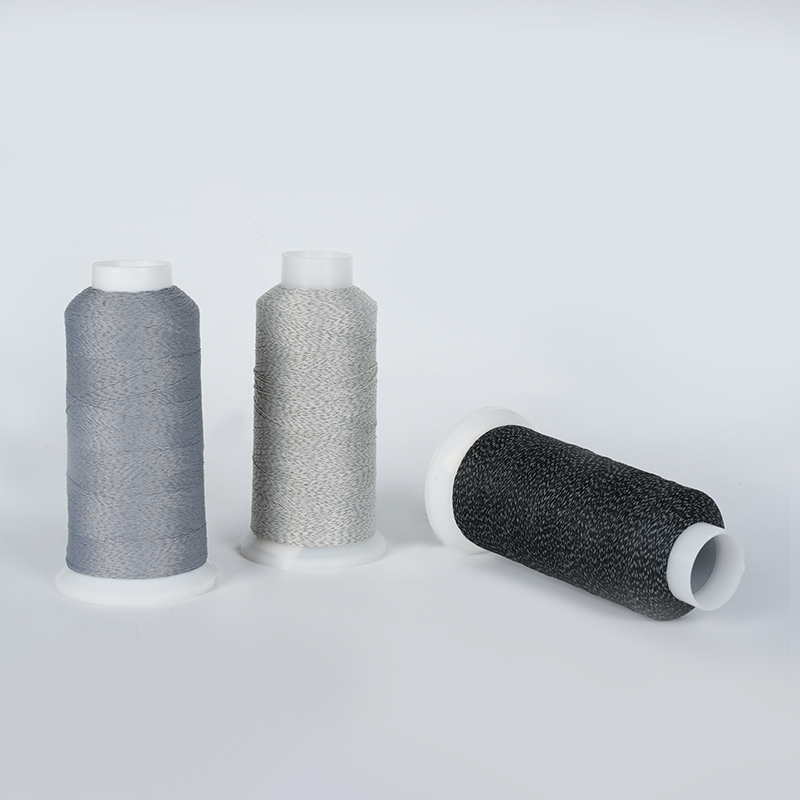
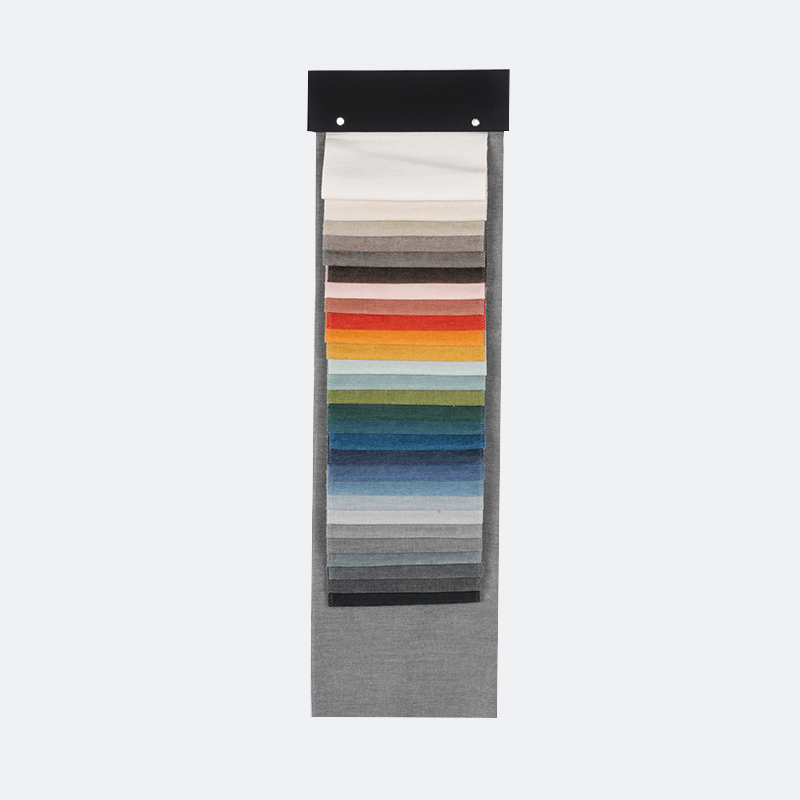
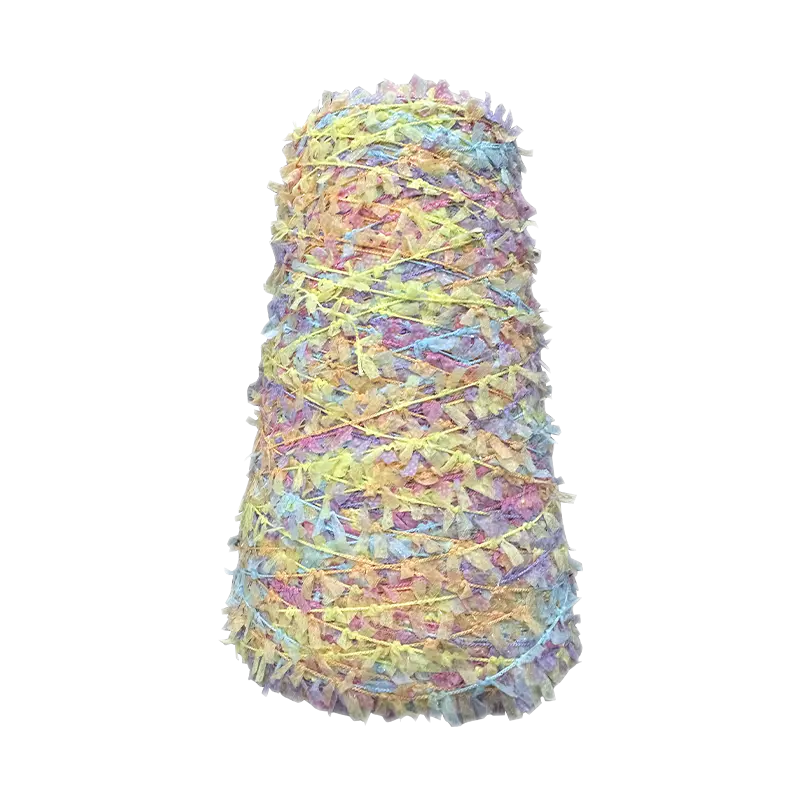
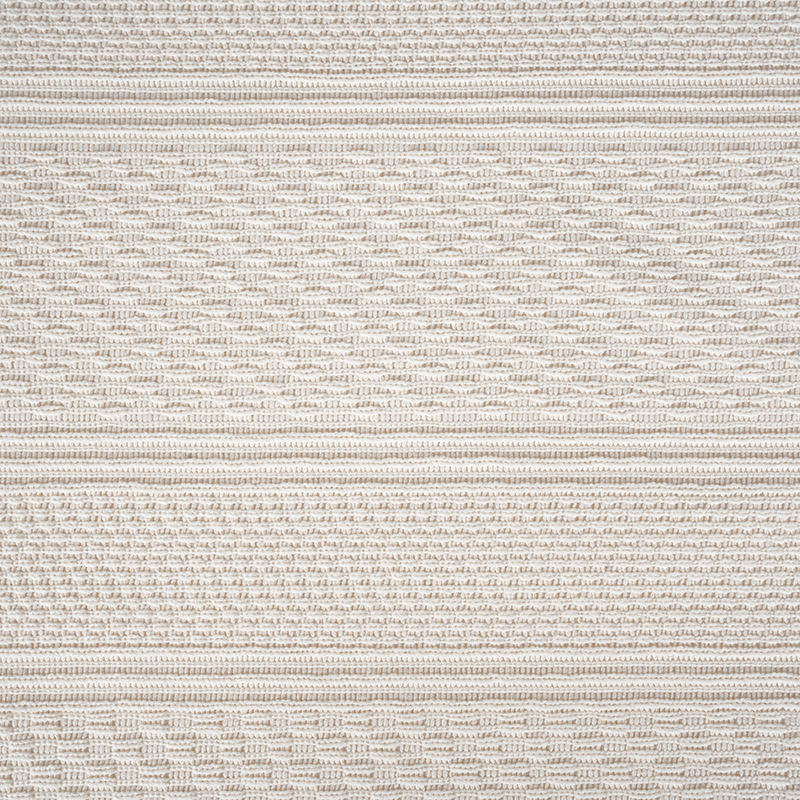
Knitted fabric is a flexible textile material formed by interlocking yarn loops through mechanical or manual knitting, distinct from woven fabrics in structure and performance. It features excellent elasticity, softness, breathability, and drapability, making it the most widely used textile in daily apparel, home textiles, and industrial textiles. Over 60% of global casual and sportswear is made from knitted fabrics due to their superior comfort and adaptability to human body movements. Unlike woven fabrics constructed by interlacing warp and weft yarns, knitted fabrics rely on loop structures that enable stretch and recovery, delivering an unmatched wearing experience for daily use.
The core advantages of knitted fabric determine its irreplaceable position in the textile industry: it fits the body curve naturally, absorbs moisture and wicks sweat efficiently, and offers better thermal retention in specific structures. With advancements in textile technology, modern knitted fabrics have broken through traditional limitations, achieving improvements in wrinkle resistance, shape retention, and durability, expanding their applications to high-performance sportswear, medical textiles, automotive interiors, and other professional fields.
Basic Structure and Forming Principle of Knitted Fabric
The fundamental forming principle of knitted fabric is the continuous interlooping of yarns, which creates a stable and flexible textile structure. Each loop connects with adjacent loops vertically and horizontally, forming an integrated network that gives the fabric its unique physical properties. This structure is completely different from the crisscross pattern of woven fabrics, and this difference is the root cause of the performance differences between the two textile types.
Loop Structure: The Core Unit of Knitted Fabric
The loop is the smallest structural unit of knitted fabric, consisting of a head, two sides, and two connecting arcs. When yarns are bent into loops and interlocked, the fabric can stretch in multiple directions when subjected to external force, and return to its original shape after the force is removed. This structural design allows knitted fabrics to have 30%-100% stretch rate in conventional specifications, far exceeding the limited elasticity of woven fabrics.
The tightness of the loop directly affects the fabric’s performance: loose loops enhance breathability and softness, suitable for summer clothing; tight loops improve shape retention and wind resistance, ideal for winter wear and outerwear. Textile manufacturers adjust loop size and density according to product needs to customize the performance of knitted fabrics for different scenarios.
Two Basic Forming Methods: Weft Knitting and Warp Knitting
Knitted fabrics are divided into two major categories based on the knitting direction and process: weft-knitted and warp-knitted fabrics, each with unique production characteristics and application fields.
- Weft knitting: Yarns are fed horizontally to form loops one by one, which is the most common production method. It supports single-sided and double-sided knitting, with low production cost and high pattern diversity.
- Warp knitting: Yarns are fed vertically, with each yarn forming a loop in a single course, featuring high structural stability and not easy to unravel.
| Fabric Type | Elasticity | Structural Stability | Main Applications |
|---|---|---|---|
| Weft-knitted | High | Medium | T-shirts, sweaters, loungewear |
| Warp-knitted | Low-Medium | High | Sportswear, lace, industrial fabrics |
Key Performance Properties of Knitted Fabric
The popularity of knitted fabric stems from its outstanding performance properties, which are optimized through material selection and process adjustment to meet the needs of different scenarios. These properties include elasticity, breathability, moisture absorption, drapability, and thermal retention, which together constitute the core competitiveness of knitted fabrics.
Elasticity and Shape Recovery
Elasticity is the most representative property of knitted fabric. Conventional cotton knitted fabrics have a transverse elasticity of 40%-60%, while spandex-blended knitted fabrics can reach an elasticity of over 200%, fully adapting to the bending and stretching of human joints. The shape recovery rate is another key indicator: high-quality knitted fabrics can recover more than 90% of their original shape after repeated stretching, avoiding permanent deformation and bagging.
This property makes knitted fabrics the first choice for sportswear, activewear, and intimate apparel. Whether it’s running, yoga, or daily walking, the fabric fits the body without restraint, providing a comfortable wearing experience that woven fabrics cannot match.
Breathability and Moisture-Wicking Performance
The loop structure of knitted fabric forms tiny gaps between yarns, allowing air and moisture vapor to pass through freely. Natural fiber knitted fabrics (cotton, linen, wool) have excellent moisture absorption, absorbing 8%-10% of their weight in moisture without feeling damp, and quickly releasing moisture to the air.
Modern functional knitted fabrics use modified synthetic fibers to enhance moisture-wicking efficiency, transporting sweat from the skin surface to the fabric surface in seconds and accelerating evaporation. This performance is critical for summer clothing and high-intensity sportswear, keeping the wearer dry and comfortable at all times.
Softness and Drapeability
Knitted fabric has a softer hand feel than woven fabric because the loop structure reduces the rigidity of yarns. The softness allows the fabric to fit the body curve smoothly, creating a natural and elegant drape effect. This property is widely used in dresses, skirts, and casual outerwear, enhancing the aesthetic and comfort of clothing.
The drapability of knitted fabric can be adjusted by changing yarn thickness and loop density: thin yarns and loose loops create lightweight, flowy fabrics for summer; thick yarns and tight loops create firm, structured fabrics for winter and outerwear.
Common Classification of Knitted Fabric by Fiber Material
The performance of knitted fabric is largely determined by the fiber materials used. Textile manufacturers use natural fibers, synthetic fibers, and blended fibers to produce knitted fabrics with different characteristics, covering almost all daily and industrial textile needs.
Natural Fiber Knitted Fabrics
Natural fiber knitted fabrics are favored for their eco-friendliness, skin-friendly properties, and excellent comfort, making them the preferred material for intimate apparel, baby clothing, and daily casual wear.
- Cotton knitted fabric: Soft, breathable, moisture-absorbent, and affordable, accounting for the largest share of the knitted fabric market, suitable for all seasons and age groups.
- Wool knitted fabric: Excellent thermal retention, elastic, and wrinkle-resistant, ideal for sweaters, cardigans, and winter warm clothing.
- Linen knitted fabric: Ultra-breathable, cool, and antibacterial, perfect for summer T-shirts, shirts, and home textiles.
- Silk knitted fabric: Smooth, glossy, and skin-friendly, a high-end material for pajamas, underwear, and formal casual wear.
Synthetic Fiber Knitted Fabrics
Synthetic fiber knitted fabrics feature high strength, durability, wrinkle resistance, and easy care, widely used in sportswear, outerwear, and industrial textiles. Polyester and nylon are the two most commonly used synthetic fibers in knitted fabrics.
Polyester knitted fabric has high dimensional stability, is not easy to shrink or wrinkle, and can be dyed in bright colors; nylon knitted fabric has superior abrasion resistance and elasticity, making it suitable for high-strength sportswear and socks. Spandex, as an elastic fiber, is often blended with other fibers to improve the elasticity of knitted fabrics, with a blending ratio of 3%-10% in most cases.
Blended and Interwoven Knitted Fabrics
Blended knitted fabrics combine the advantages of natural and synthetic fibers, overcoming the limitations of single fibers. For example, cotton-polyester blended knitted fabric retains the softness and moisture absorption of cotton while adding the wrinkle resistance and durability of polyester; wool-acrylic blended knitted fabric reduces costs while maintaining thermal retention and softness.
This diversified material design makes knitted fabrics adaptable to more scenarios, balancing performance, cost, and wearing experience to meet the diverse needs of consumers.
Production Process of Knitted Fabric
The production of knitted fabric is a systematic process involving multiple links, from yarn preparation to finished fabric, with strict quality control in each step to ensure the final product’s performance and appearance. The modern industrial production process is highly automated, improving production efficiency and fabric consistency.
Yarn Preparation and Processing
The first step of knitted fabric production is yarn selection and processing. According to the product design, manufacturers choose raw materials (natural/synthetic fibers) and process them into spun yarns or filament yarns. Yarns are then wound into suitable packages for knitting machines, with evenness and tension controlled to avoid breakage during knitting.
Knitting Process: From Yarn to Grey Fabric
Knitting machines are the core equipment for producing knitted fabrics, divided into circular knitting machines (for weft knitting) and flat knitting machines (for warp knitting and large patterns). Circular knitting machines have high production efficiency, producing hundreds of meters of grey fabric per hour, mainly used for mass-produced conventional knitted fabrics; flat knitting machines are suitable for patterned and shaped fabrics, with higher flexibility.
During knitting, the machine automatically forms yarn loops and interlocks them to form grey fabric, which is the preliminary knitted fabric without post-processing and has a rough hand feel and a single color.
Dyeing and Finishing Process
Dyeing and finishing are key steps to improve the performance and appearance of knitted fabric. The process includes scouring, bleaching, dyeing, printing, softening, shaping, and functional finishing. Scouring removes impurities from grey fabric; bleaching improves whiteness; dyeing and printing add color and patterns; softening enhances hand feel; shaping fixes the fabric’s size and prevents shrinkage.
Functional finishing can endow knitted fabrics with special properties such as UV resistance, antibacterial, waterproof, and flame-retardant, expanding their application fields. After finishing, the knitted fabric undergoes quality inspection, including size, color fastness, elasticity, and appearance, and is packaged as a finished product after passing the inspection.
Main Application Fields of Knitted Fabric
With its excellent comprehensive performance, knitted fabric has penetrated into all aspects of textiles, from daily clothing to home textiles, from medical care to industrial applications, forming a huge application market. The diversification of product forms and performance makes knitted fabric an indispensable material in modern life.
Apparel Industry: The Largest Application Field
The apparel industry consumes more than 70% of the global knitted fabric production, covering all categories of clothing. Casual wear such as T-shirts, hoodies, leggings, and sweatpants is all made of knitted fabrics, relying on their softness and elasticity. Sportswear and activewear use functional knitted fabrics to meet the needs of moisture-wicking and high elasticity.
Intimate apparel, baby clothing, and pajamas prioritize skin-friendly and breathable knitted fabrics, mostly using cotton, modal, and silk materials. Knitted outerwear, sweaters, and dresses also occupy a large market share, combining comfort and fashion to meet consumers’ dual demands for wearing experience and aesthetic.
Home Textile Applications
Knitted fabric is widely used in home textiles, bringing comfort and warmth to home life. Common products include bed sheets, quilt covers, pillowcases, blankets, cushions, and curtains. Knitted home textiles have soft hand feel and good thermal retention, especially knitted blankets and bed sets, which are popular in winter.
In addition, knitted fabric is used in kitchen textiles such as dishcloths and aprons, relying on its good water absorption and durability. The lightweight and drapable properties of knitted fabrics also make them an ideal material for modern minimalist home textiles.
Medical and Industrial Technical Textiles
Functional knitted fabrics have important applications in the medical field, including medical bandages, surgical gowns, protective clothing, and rehabilitation braces. Elastic knitted bandages have controllable compression force, promoting blood circulation and wound healing; antibacterial knitted medical clothing prevents bacterial infection and ensures medical safety.
In industrial textiles, warp-knitted fabrics are used for automotive interiors, filter materials, geotextiles, and protective gear due to their high structural stability. The high strength and durability of knitted fabrics meet the strict requirements of industrial applications, and their market demand is growing year by year with technological progress.
Care and Maintenance Methods for Knitted Fabric
Correct care and maintenance can extend the service life of knitted fabric products, maintain their appearance and performance, and avoid problems such as shrinkage, deformation, pilling, and fading. Different fiber knitted fabrics have targeted care requirements, and mastering these methods can keep knitted products in good condition for a long time.
Washing Guidelines for Knitted Fabric
Washing is the most critical link in caring for knitted fabrics. It is recommended to use cold or warm water below 30°C for washing, and avoid hot water to prevent shrinkage and deformation. Neutral detergent is preferred, and strong alkaline detergent should be avoided to protect fiber performance.
- Hand washing is the best method for delicate knitted fabrics (silk, wool), gently kneading without force, rubbing, or twisting.
- Machine washing requires using a laundry bag, selecting the gentle mode, and avoiding long-time stirring to prevent pilling and deformation.
- Dark and light colored knitted fabrics should be washed separately to prevent color cross-contamination.
Drying and Storage Tips
Knitted fabrics should be dried in a cool and ventilated place, avoid direct sunlight to prevent fading and fiber aging. Avoid hanging wet knitted fabrics for drying, as the weight of water will stretch the fabric and cause deformation; flat drying is the most suitable method.
For storage, folded knitted fabrics are better than hanging to avoid stretching and deformation. Wool and silk knitted fabrics should be placed with mothproof agents and kept dry to prevent mildew and moth damage. Regular ventilation during long-term storage can maintain the fabric’s performance and appearance.
Solutions for Common Problems
Pilling is a common problem of knitted fabrics, especially synthetic fiber-blended ones. Choose low-friction wearing and washing methods to reduce pilling; use a fabric shaver to remove pills gently without damaging the fabric. Shrinkage can be prevented by following washing temperature requirements, and slightly shrunk knitted fabrics can be stretched gently when wet to restore their size.
For wrinkled knitted fabrics, use a low-temperature iron, and place a thin cloth between the iron and the fabric to avoid scorching. Functional knitted fabrics (moisture-wicking, antibacterial) should avoid using fabric softeners, which will damage the functional coating and reduce product performance.
Development Trends and Technological Innovations of Knitted Fabric
The knitted fabric industry is constantly developing with technological innovation and market demand changes. In recent years, sustainability, functionalization, intelligence, and personalization have become the core development trends, promoting the upgrading of knitted fabric products and the transformation of the industry.
Sustainable and Eco-Friendly Knitted Fabrics
Environmental protection is the top priority of the global textile industry, and sustainable knitted fabrics are growing rapidly. Recycled fiber knitted fabrics (recycled polyester, recycled nylon) reduce waste of raw materials and carbon emissions, with an annual growth rate exceeding 15% in market demand. Organic cotton, linen, and biodegradable fiber knitted fabrics are also favored by eco-conscious consumers.
In addition, green production processes such as waterless dyeing, low-carbon knitting, and waste recycling are widely used in knitted fabric production, reducing environmental pollution and realizing the sustainable development of the industry.
High-Performance Functional and Intelligent Knitted Fabrics
Advanced textile technology has endowed knitted fabrics with more high-performance functions: phase change temperature regulation, self-cleaning, anti-static, and ultra-lightweight waterproof functions are widely used in professional sportswear and outdoor gear. Intelligent knitted fabrics embedded with conductive fibers can monitor human body indicators such as heart rate and body temperature, applied in medical care and sports health fields.
These innovative technologies break the traditional positioning of knitted fabrics as ordinary textiles, turning them into high-value-added products with multiple functions, and expanding their application scenarios to aerospace, smart wear, and medical health.
Personalized Customization and Digital Production
Digital knitting technology realizes the personalized customization of knitted fabrics, with computer-controlled machines producing custom patterns, sizes, and structures quickly and accurately. This production method shortens the production cycle, reduces inventory pressure, and meets consumers’ personalized demand for unique textile products.
In the future, with the deep integration of artificial intelligence and textile technology, knitted fabric production will be more intelligent and efficient, and product performance will be more optimized, continuing to maintain its leading position in the global textile market.