English
 русский
 Español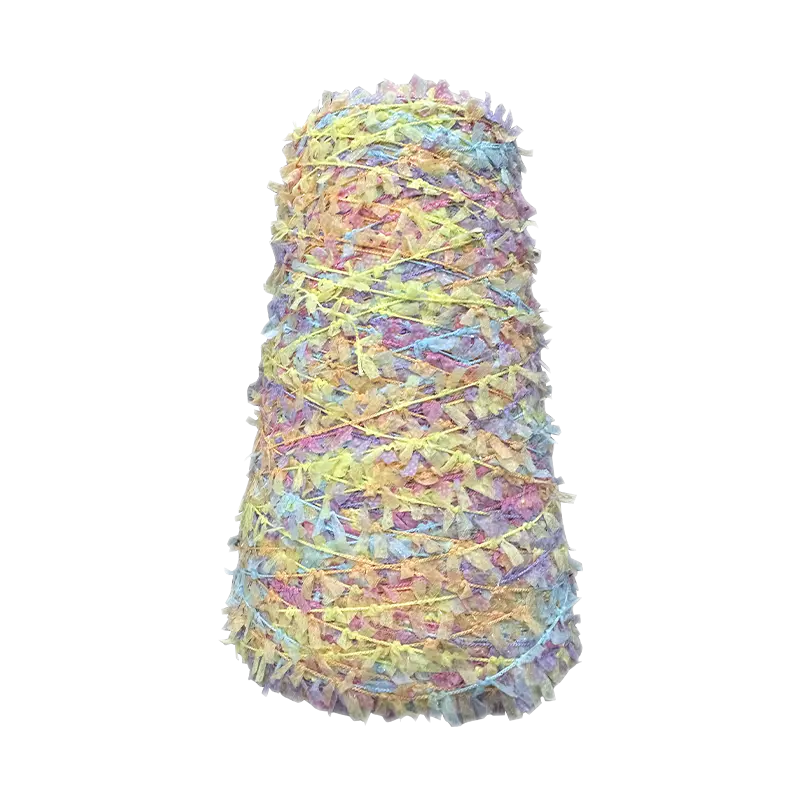
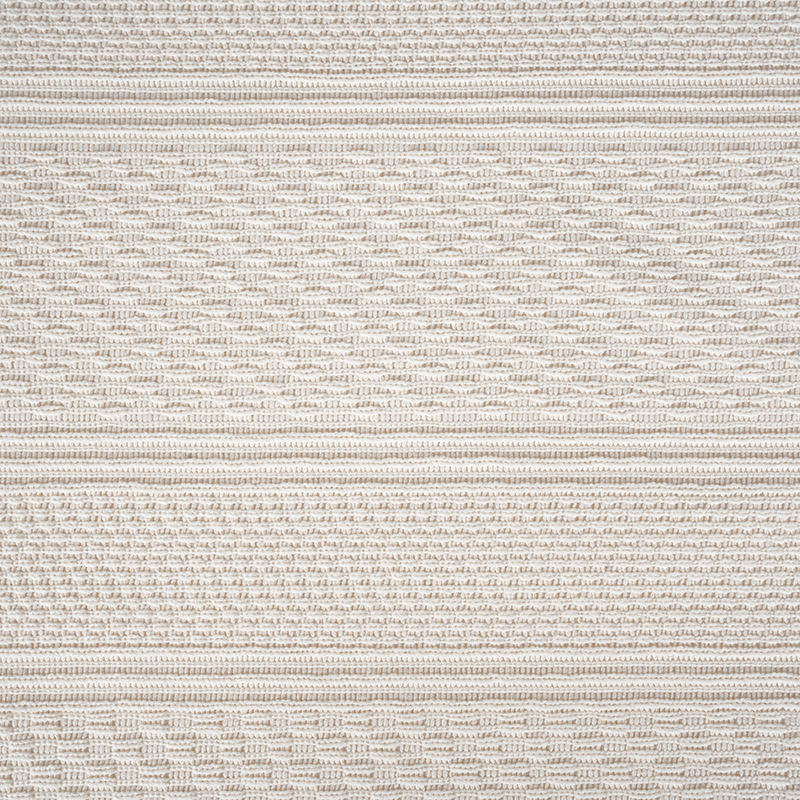
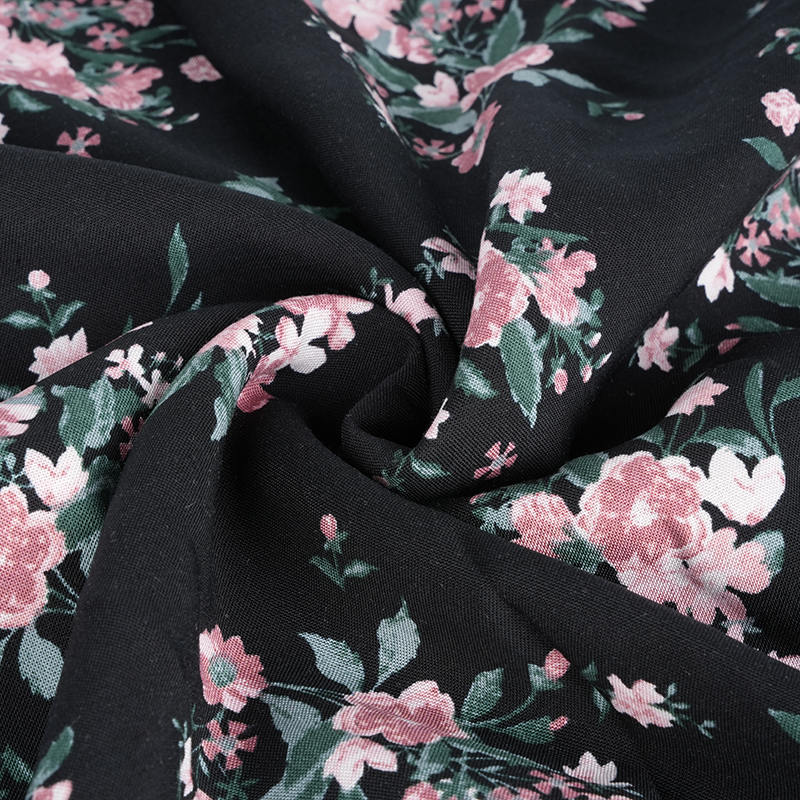
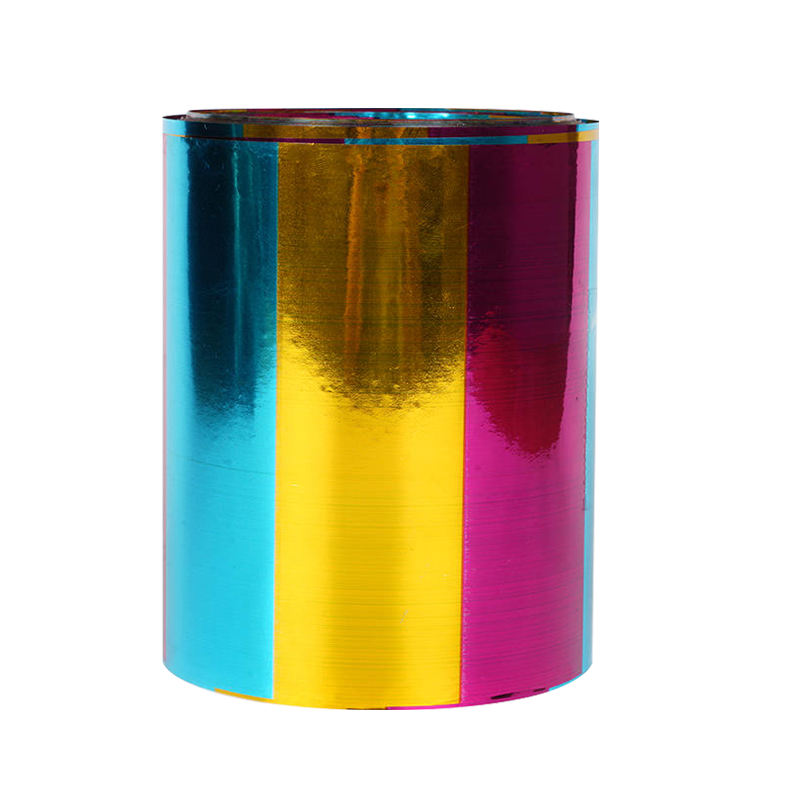
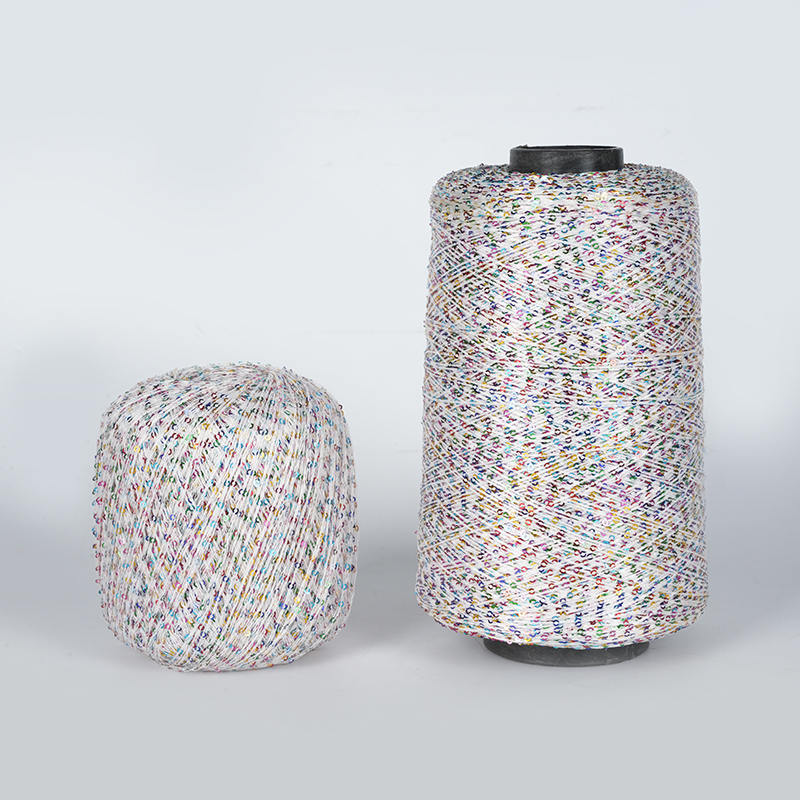
Fancy yarn is the deliberate manipulation of textile structure to achieve aesthetic and tactile superiority over conventional yarns. Rather than serving merely as a binding thread, it functions as the primary design element itself. By intentionally introducing variations in color, thickness, twist, and material composition, fancy yarn transforms basic textiles into premium, expressive fabrics. Its true value lies in its ability to impart immediate visual impact and unique hand-feel, allowing designers to elevate ordinary garments and home textiles into luxury statements without relying solely on complex weaving or knitting structures.
Fundamental Structural Components
To understand how fancy yarn achieves its distinctive characteristics, one must examine its underlying architecture. Unlike a simple spun or filament yarn, fancy yarn is typically an engineered product composed of multiple distinct elements working in concert.
The Three Essential Elements
Almost all fancy yarns are constructed using three foundational components, each serving a specific structural and aesthetic purpose:
- Base or Core: This is the foundational backbone of the yarn. It provides the necessary tensile strength and structural integrity, ensuring the yarn can withstand the mechanical stresses of the weaving or knitting process without breaking.
- Effect or Fancy: This component creates the visual and tactile illusion. It is typically spun or wrapped around the core in an irregular, exaggerated, or discontinuous manner to produce the desired texture, color contrast, or decorative motif.
- Binder: To prevent the effect component from shifting, slipping, or unraveling during both manufacturing and end-use, a binder is twisted around the core and effect components, locking the entire structure together.
The precise interplay of tension, twist direction, and feed ratio between these three elements determines the final appearance and durability of the fancy yarn. Modifying the feed ratio of the effect yarn, for instance, directly dictates the size and frequency of the decorative features.
Primary Types and Aesthetic Profiles
The classification of fancy yarn is largely dictated by the visual and tactile effect it produces. Each type requires specific manufacturing techniques and offers distinct advantages for textile design.
Slub Yarn
Slub yarn is characterized by intentionally injected thickened sections along an otherwise uniform base. These slubs create a rhythmic, organic texture in the resulting fabric, offering a natural, handcrafted aesthetic. In denim and shirting, slub yarn produces an irregular surface that catches light differently, adding depth to the fabric. The frequency and thickness of the slubs can be precisely controlled, allowing for subtle texture or highly exaggerated, statement-making surface interest.
Bouclé Yarn
Bouclé is instantly recognizable by its continuous, tightly curled loops that project from the core. This effect is achieved by wrapping the effect yarn around the core at a much higher feed rate while simultaneously twisting it to set the curls. The resulting fabric is highly textured, offering a soft, springy hand-feel. Bouclé is extensively utilized in outerwear, tailored suits, and home furnishing fabrics where a cozy, voluminous, and light-weight appearance is desired. The loops trap air, providing excellent thermal insulation without excessive weight.
Chenille Yarn
Unlike twisted structures, chenille is created by cutting a specially woven leno fabric into narrow strips, resulting in a velvety, caterpillar-like texture. The pile stands perpendicular to the core, yielding an incredibly soft, luxurious hand-feel and a deep, rich color absorption. Chenille yarns are predominantly used in upholstery and heavy-weight home textiles, though they also appear in fashion accessories. The primary design consideration for chenille is its tendency for pile shedding and flattening, requiring careful handling and finishing.
Marl and Spiral Yarn
Marl yarn is produced by twisting two or more single yarns of different solid colors together, creating a subtle, heathered visual blend. It is an excellent method for introducing color complexity without the need for space-dyeing or complex dyeing processes. Spiral yarn, conversely, is created by twisting two yarns of significantly different thicknesses or twist levels together, resulting in a corkscrew effect. Both types are workhorses in knitwear, offering visual depth and tactile interest while maintaining excellent structural stability and drape.
Manufacturing Processes and Engineering
The production of fancy yarn is an exercise in precision engineering. It requires advanced machinery capable of simultaneously controlling multiple yarn feeds at varying speeds and tension levels. The most common manufacturing platform is the hollow spindle spinning machine, which allows for the independent control of the core, effect, and binder components.
Control Parameters
The aesthetic outcome of the yarn is governed by several interrelated mechanical parameters. Adjusting these parameters allows textile engineers to create an infinite spectrum of custom effects:
- Over-feed ratio: This determines how much extra length of the effect yarn is fed into the twisting point compared to the core. A higher over-feed ratio creates larger, more pronounced effects, such as bigger loops or thicker slubs.
- Twist level and direction: The amount of twist inserted, and its direction (Z-twist or S-twist), dictates the compactness and angle of the effect. Combining different twist directions in the core and effect yarns can create dynamic, self-texturing behaviors.
- Tension differential: Managing the tension between the core and effect components is critical. Too much tension on the effect yarn will erase the intended decorative feature, while too little tension will result in an unstable, messy structure.
Modern manufacturing relies heavily on computer-controlled servo motors to ensure absolute consistency. Because fancy yarns are designed to be irregular, the irregularity itself must be highly repeatable to maintain pattern consistency across the entire fabric.
Comparative Analysis of Fancy Yarn Types
Choosing the correct fancy yarn requires balancing aesthetic desires with practical performance constraints. The following table provides a comparative overview of the primary structural types.
| Yarn Type | Primary Visual Effect | Tactile Profile | Structural Stability |
|---|---|---|---|
| Slub | Irregular thickness, organic texture | Varies, natural hand-feel | High |
| Bouclé | Continuous curly loops | Springy, soft, voluminous | Moderate |
| Chenille | Dense, velvety pile | Exceptionally soft, smooth | Low to Moderate |
| Marl | Twisted multi-color strands | Smooth, structured | Very High |
As indicated in the comparison, structural stability is a critical factor. Yarns with pronounced surface effects, such as chenille and bouclé, inherently sacrifice some durability for their tactile qualities, necessitating specific considerations during fabric construction.
Application in Fashion Design
In the fashion industry, fancy yarn serves as a vital tool for differentiation and value addition. It allows designers to create complex visual statements directly from the yarn stage, reducing the reliance on heavy post-production fabric finishes or chemical treatments.
Knitwear and Sweaters
The most prominent application of fancy yarn is in flat-knit and circular knitwear. Bouclé and slub yarns dominate the winter sweater market because they create fabrics that appear thick and insulating while remaining lightweight. By utilizing a simple stockinette stitch with a complex, fancy yarn, designers achieve intricate texture and color play without complicated stitch patterns, ensuring faster production times and fewer mechanical errors on the knitting machines.
Woven Apparel
In woven fabrics, fancy yarns are typically used as weft inserts rather than warp yarns. The warp yarns must endure high, continuous tension on the loom, a condition under which delicate fancy yarns often fail. Therefore, designers place high-twist, strong warp yarns alongside fancy weft yarns. This technique creates fabrics where the decorative weft floats on the surface, establishing striking visual contrast in coats, jackets, and decorative skirts. Tape yarns and ribbon-like fancy yarns are frequently employed in this manner to produce modern, structured silhouettes with architectural surface interest.
Accessories
Scarves, hats, and gloves are ideal canvases for fancy yarns. Because these items are small and require minimal yardage, designers can afford to use highly elaborate and expensive novelty yarns, incorporating metallic threads, extreme slubs, or super-bulky effects that would be impractical or prohibitively costly for full garments. This allows a single accessory to act as a bold, statement-making centerpiece for an entire outfit.
Application in Home Textiles
The home decor sector accounts for a massive share of fancy yarn consumption. In this context, the yarn must balance aesthetic appeal with rigorous performance demands, including resistance to abrasion, pilling, and light degradation.
Upholstery Fabrics
For furniture, chenille yarn has historically been the standard. The dense pile of chenille provides a luxurious look and an incredibly soft hand-feel that invites touch, making it highly desirable for sofas and armchairs. However, because chenille has relatively low abrasion resistance and is prone to pile distortion, it is frequently blended with synthetic fibers or used alongside high-performance backing structures. Modern upholstery also utilizes tight bouclé weaves, where the loops create a highly durable surface that naturally masks wear and minor soiling.
Decorative Throws and Pillows
In decorative home accessories, the visual and tactile impact is paramount, while durability is a secondary concern. This category sees the most experimental use of fancy yarn. Extremely super-bulky roving-style yarns are used to hand-knit chunky throws, while metallic-spun fancy yarns are woven into decorative pillows to catch ambient light. The objective here is purely aesthetic: creating an inviting, layered, and texturally rich interior environment.
Design Challenges and Technical Constraints
While fancy yarn offers immense creative potential, it introduces specific technical hurdles during both yarn manufacturing and subsequent fabric production. Ignoring these constraints leads to waste, machine damage, and sub-standard garments.
Knitting and Weaving Difficulties
The very irregularities that make fancy yarn attractive are the source of its processing difficulties. In knitting machines, large slubs or loops can easily snag on latch needles, causing yarn breakage and dropped stitches. In weaving looms, the friction generated during shedding and beat-up can cause the effect component to be stripped from the core. Knitting and weaving machinery must be specifically tuned, often running at reduced speeds, with optimized tension settings and specialized guide elements to accommodate the eccentric shape of the yarn.
Pilling and Abrasion Vulnerability
Fancy yarns inherently possess more loose fiber ends and exposed structural elements than regular yarns. Under friction, these loose fibers migrate to the surface and entangle, forming pills. Bouclé and chenille are particularly vulnerable. To mitigate this, spinners must carefully select fiber lengths and binder twists, and fabric finishers must employ rigorous cropping and singeing processes to remove surface fuzz without destroying the intended fancy effect.
Color Consistency
Achieving uniform color across different production lots of fancy yarn is notoriously difficult. Because the yarn structure stretches and compresses, dye absorbs at different rates depending on the twist density and the yarn diameter at any given point. Slub yarns, for example, will always appear lighter in the thin sections and darker in the thick sections due to dye penetration variance. This requires dyehouses to maintain extremely tight control over temperature profiles and chemical auxiliaries to ensure the color matches the designer's specification across the entire batch.
Material Innovations and Sustainability
The textile industry is undergoing a fundamental shift toward ecological responsibility, and the fancy yarn sector is rapidly adapting to these new parameters. The traditional reliance on virgin synthetic fibers for strength and effect is being challenged by innovative material science.
Recycled and Regenerated Fibers
There is a significant movement toward utilizing recycled polyethylene terephthalate (rPET) and regenerated cellulosic fibers as the core and binder components of fancy yarns. These materials provide the necessary tensile strength while dramatically reducing the carbon footprint of the yarn. For the effect component, waste from the fashion industry, such as pre-consumer cotton scraps and fiber regenerated from discarded textiles, is being reprocessed into usable fibers. This allows spinners to create eco-friendly slub and bouclé yarns that maintain high aesthetic value while supporting circular economy principles.
Biodegradable Novelty Effects
Historically, many highly decorative or metallic fancy yarns relied on non-biodegradable plastics and heavy metal foils. The current innovation focuses on replacing these with bio-based polymers and natural alternatives. Polylactic acid (PLA) derived from plant starches is increasingly used as a binder or core material, offering similar performance to traditional synthetics but with the ability to break down in industrial composting facilities. Furthermore, natural materials like paper yarn, and wood pulp derivatives are being engineered into complex fancy structures, providing crisp, architectural effects that are fully biodegradable.
Strategic Integration in Textile Development
For textile designers and developers, successfully leveraging fancy yarn requires a strategic approach that balances creativity with commercial viability. The goal is to create a fabric that looks compelling and performs reliably throughout its lifecycle.
Cost Management Strategies
Fancy yarns are inherently more expensive to produce than standard yarns due to slower manufacturing speeds, higher waste rates, and complex engineering requirements. To manage costs, designers frequently employ strategic placement. Instead of constructing an entire garment or fabric width from fancy yarn, it is used selectively. For instance, a plain, high-twist worsted yarn might form the main body of a sweater, while fancy yarn is used exclusively for the collar, cuffs, or a single panel. This approach maximizes the visual impact while keeping the material cost within acceptable commercial limits.
Blending and Complementarity
The most successful fancy yarn designs do not rely solely on the yarn for interest; they consider the dialogue between the yarn and the fabric structure. A highly complex, multi-color bouclé yarn is best paired with a simple, large-gauge knitting structure that allows the yarn to speak for itself. Conversely, a subtle marl or lightly slubbed yarn can handle intricate stitch patterns and complex weaving structures. Understanding this complementary relationship prevents visual overload and ensures the final textile feels sophisticated rather than chaotic.
Testing and Validation
Before scaling up production, rigorous testing is mandatory. Pilling tests, such as the Martindale or ICI pilling box methods, must be conducted on the finished fabric, not just the raw yarn. Wash and dry cleaning tests are essential, as the binder and effect components may react differently to moisture and agitation, leading to untwisting or permanent distortion of the fancy effect. Only through comprehensive validation can designers ensure that the aesthetic impact of the fancy yarn survives real-world consumer use.