English
 русский
 Español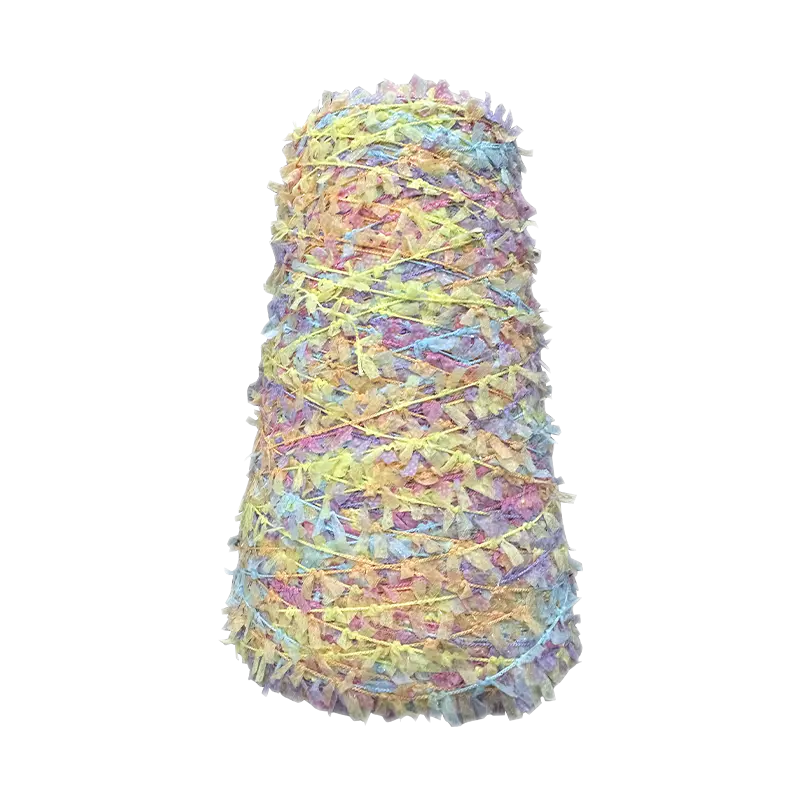
What Metallic Yarn Is and Its Core Value
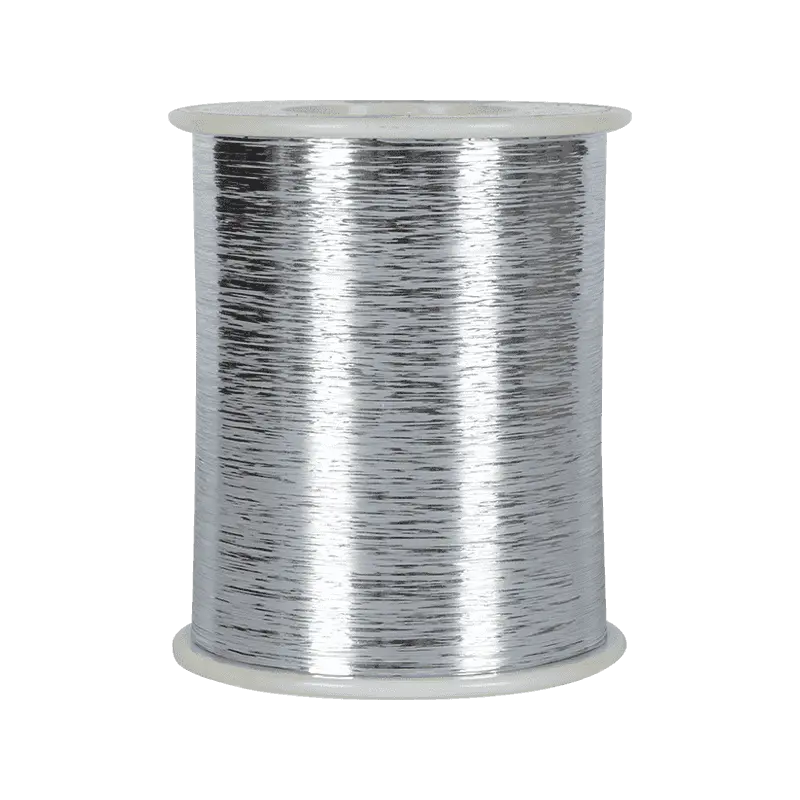
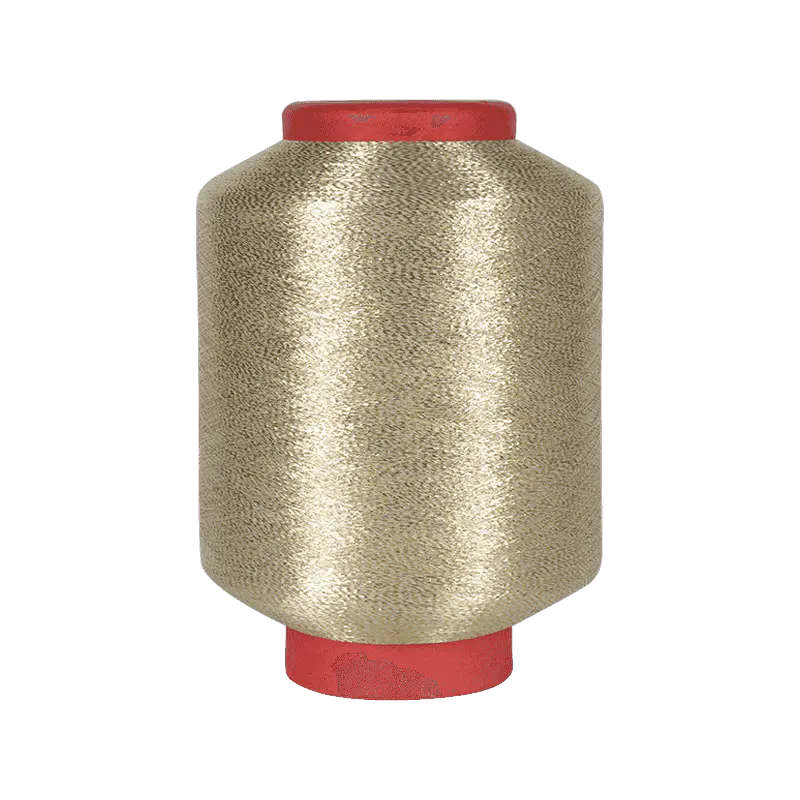
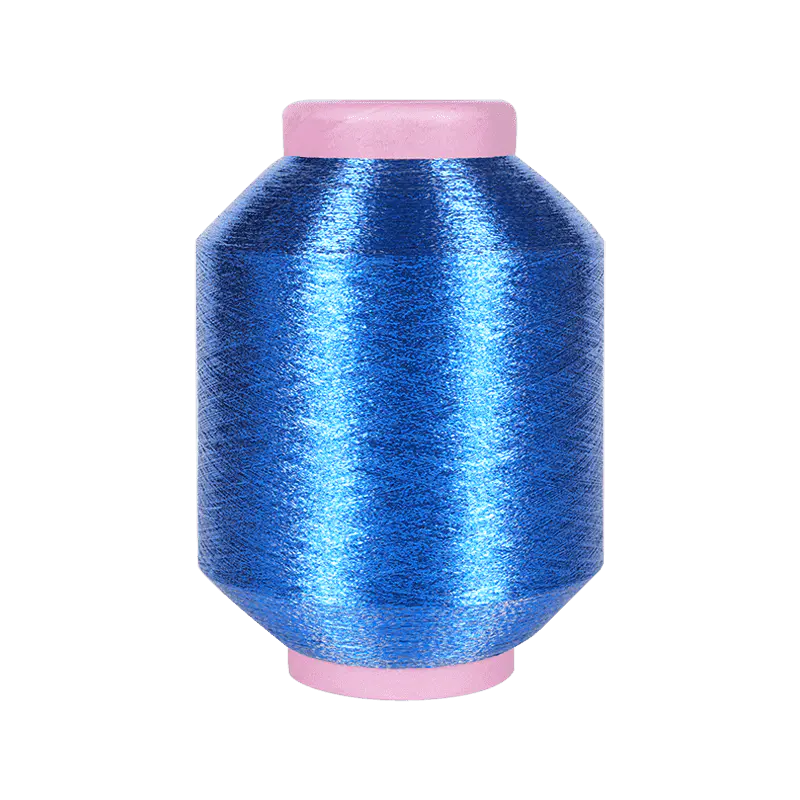
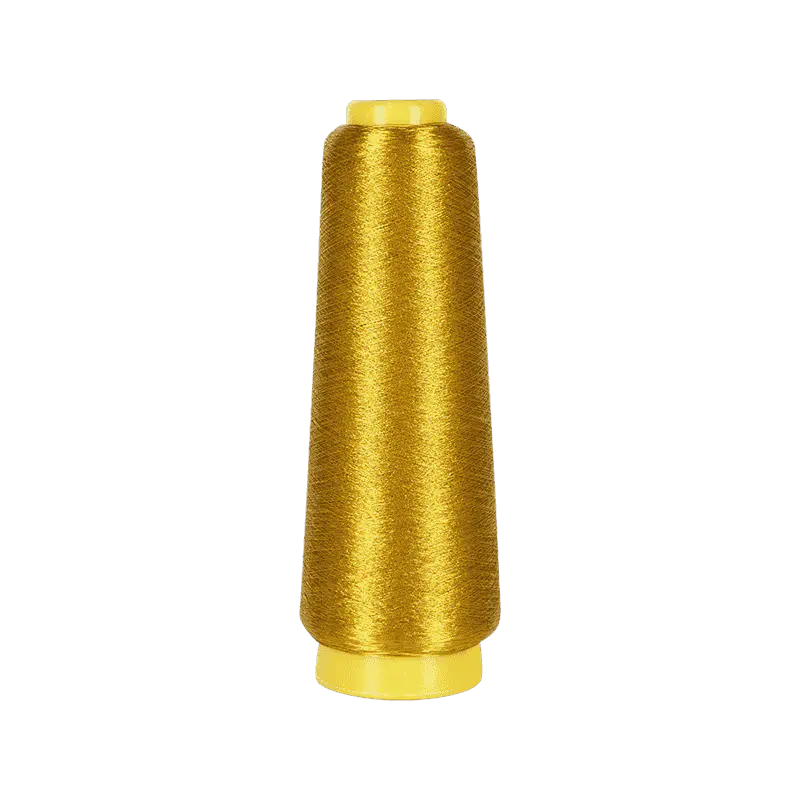
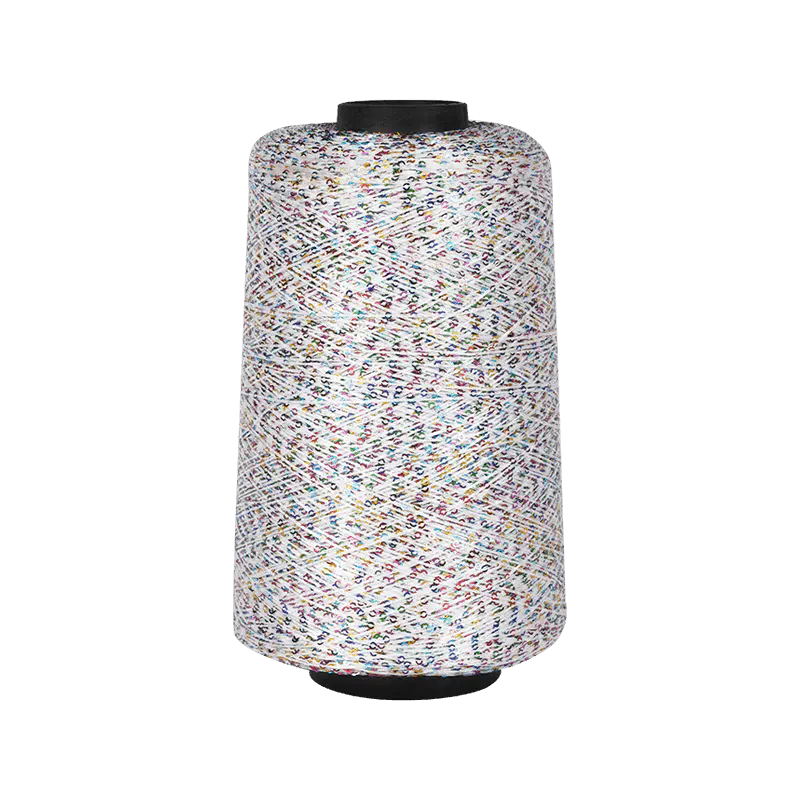
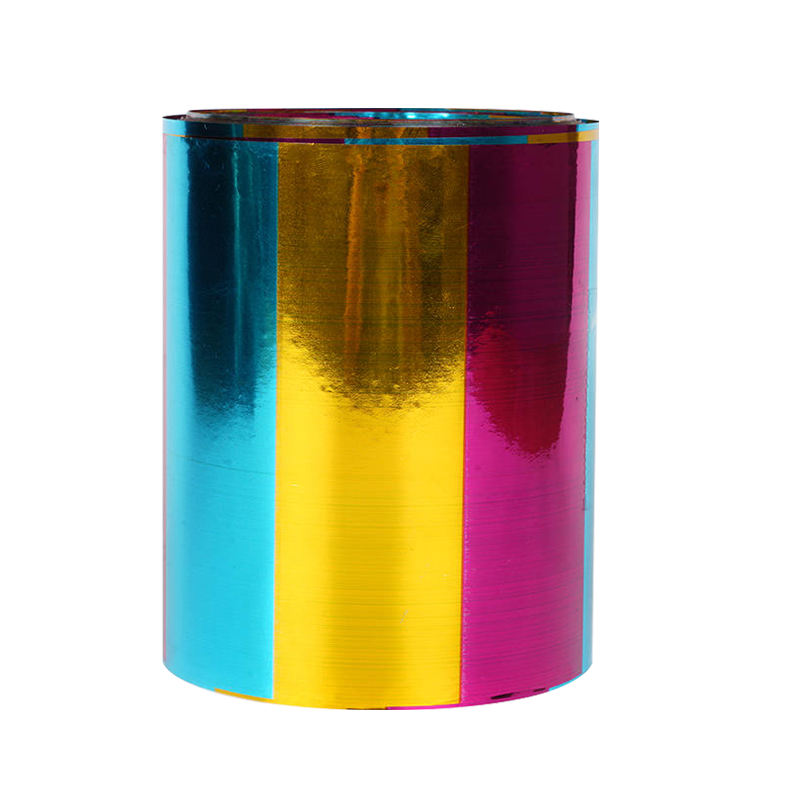
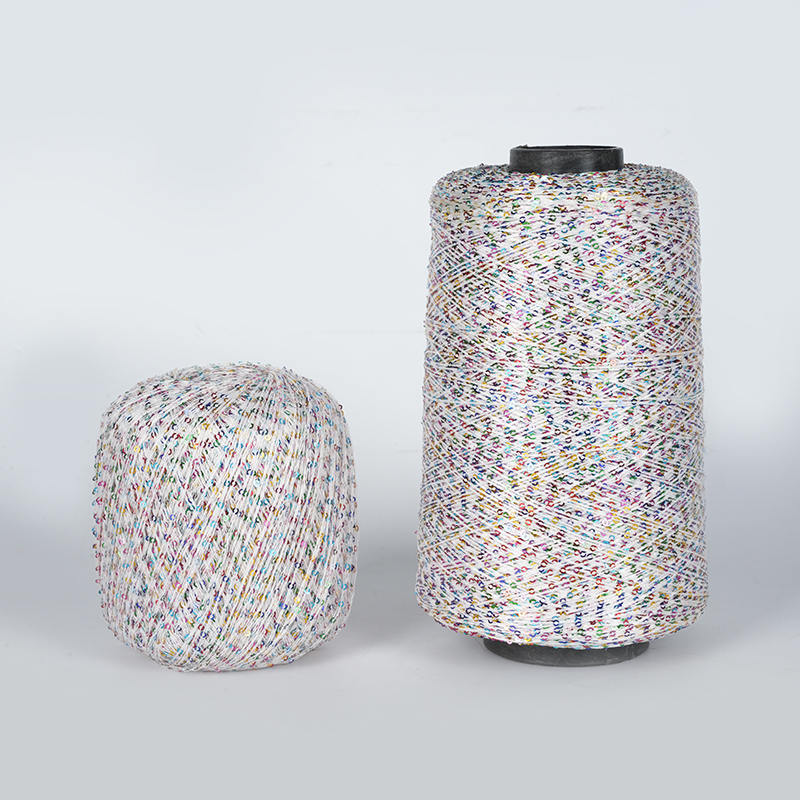
Metallic yarn is a specialized decorative and functional textile material made by combining metal films, metal coatings, or metal fibers with base textile fibers. Its most prominent feature is the distinct metallic luster and reflective effect, which sets it apart from ordinary cotton, wool, and acrylic yarns. The core value of metallic yarn lies in enhancing the visual appeal, texture, and uniqueness of finished products, and it is widely used in fashion apparel, home textiles, handicrafts, holiday decorations, and industrial textiles.
Unlike pure metal wires that are stiff and easy to break, high-quality metallic yarn retains the softness, flexibility, and processability of traditional yarns while adding durable metallic shine. It is not a niche material limited to luxury goods; with the development of manufacturing processes, metallic yarn has become accessible for daily handmade projects, commercial textile production, and large-scale decorative applications, balancing practicality and aesthetics perfectly.
Classification and Material Composition of Metallic Yarn
Metallic yarn is divided into multiple categories based on production processes, raw materials, and structural forms. Understanding these classifications helps users select the right type for different projects and ensures optimal performance and appearance of the finished product.
Film-Type Metallic Yarn (The Most Common Type)
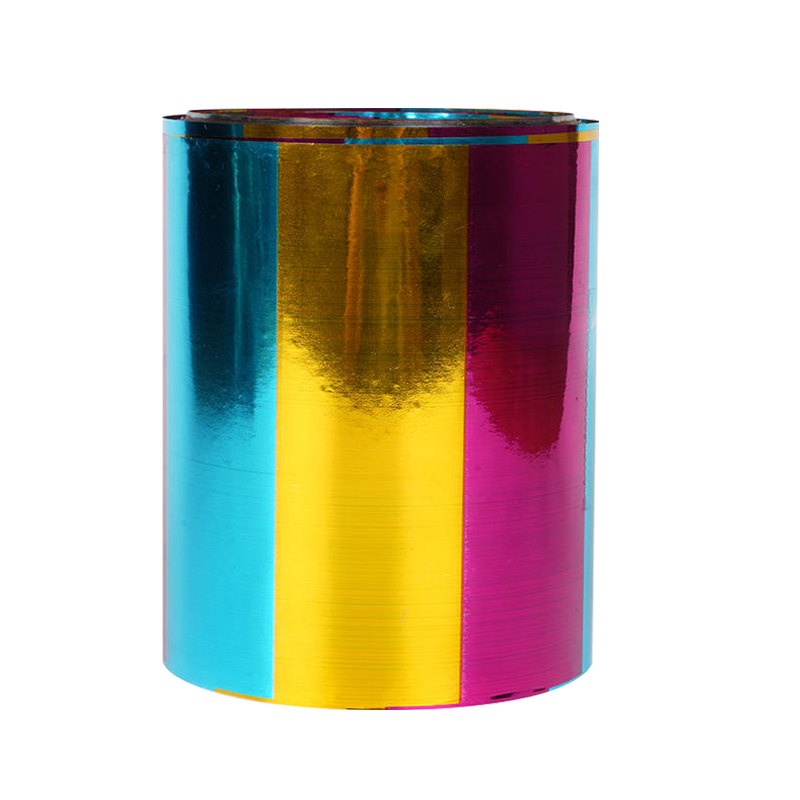
This type is produced by cutting metal-coated plastic films into narrow strips and twisting or wrapping them with textile fibers. It accounts for over 70% of the global metallic yarn market due to low production costs, rich colors, and stable performance. The base film is usually polyester or nylon, coated with aluminum, gold, silver, or colored metal layers, then sealed with a protective film to prevent fading and oxidation.
- Moss metallic yarn: soft texture, suitable for knitting sweaters, scarves, and plush decorations
- Flat metallic yarn: smooth and shiny, ideal for embroidery, weaving, and garment accessories
- Twisted metallic yarn: high strength, used in woven fabrics and high-wear decorative textiles
Fiber-Type Metallic Yarn
Made by blending pure metal fibers (such as stainless steel fiber, copper fiber) with organic textile fibers, this type has conductivity, high temperature resistance, and wear resistance. It is mainly used in industrial and special textiles rather than daily decorative projects. The metal fiber content is generally between 10% and 30%, ensuring both functionality and softness.
Coated Metallic Yarn
Produced by directly coating metal powder and adhesive on the surface of ordinary yarns, this category offers a more natural luster and softer hand feel. It is suitable for lightweight fabrics and delicate handicrafts, with the disadvantage of slightly lower durability compared to film-type metallic yarn.
Core-Spun Metallic Yarn
Constructed with a central fiber core wrapped with metallic film strips, this yarn has excellent tensile strength and is not easy to split or break. It is the preferred choice for machine knitting and large-scale textile production, with a service life 2-3 times longer than ordinary metallic yarn.
Key Physical and Performance Characteristics of Metallic Yarn
The performance of metallic yarn determines its scope of application. Below are its core characteristics, supported by practical data and application scenarios to help users understand its advantages and limitations.
Luster and Color Retention
High-quality metallic yarn can maintain its original luster after 50+ times of washing without obvious fading or tarnishing. The color system includes classic gold, silver, bronze, and colorful metallic shades such as red, blue, and green. The reflective effect is adjustable, with bright mirror luster for stage costumes and soft matte metallic luster for daily apparel.
Softness and Flexibility
Modern metallic yarn eliminates the stiffness of traditional metal wires. Most film-type metallic yarn has a softness close to acrylic yarn, making it suitable for direct skin contact. Decorative metallic yarn used in clothing and scarves has a bending resistance of more than 10,000 times, ensuring no cracks or breaks during daily wear and folding.
Tensile Strength and Durability
The tensile strength of metallic yarn is lower than that of cotton and polyester yarn but fully meets the needs of knitting, embroidery, and weaving. Core-spun metallic yarn has a tensile strength of 2.5-3.5 cN/dtex, which can withstand the high-speed operation of knitting machines without breakage. For handmade projects, ordinary metallic yarn is easy to operate and not prone to splitting.
Temperature Resistance and Chemical Stability
Standard metallic yarn can withstand temperatures of 100-120°C, compatible with conventional ironing and washing processes. It has good resistance to weak acids, weak alkalis, and daily detergents, but strong cleaning agents will damage the metal coating and reduce its service life.
Main Application Fields of Metallic Yarn
Metallic yarn’s unique decorative properties make it versatile across multiple industries, from high-fashion clothing to daily handmade crafts, with irreplaceable application value.
Fashion and Apparel Industry
This is the largest application field of metallic yarn. It is widely used in evening dresses, stage costumes, sweaters, scarves, socks, and garment accessories. Designers use metallic yarn to add a sense of luxury and dynamism to clothing; for stage performances, metallic yarn fabrics have excellent light-reflecting effects under stage lights, enhancing visual impact. In casual fashion, fine metallic yarn is blended with wool or cotton to create subtle shimmer, suitable for daily wear without being too flashy.
Knitted tops blended with metallic yarn are popular in seasonal fashion collections, with the metallic yarn content usually controlled at 5%-15% to balance aesthetics and comfort. Swimwear and sportswear also use metallic yarn to add decorative details while maintaining fabric elasticity.
Home Textile Decoration
Metallic yarn is widely used in home textiles to enhance interior decoration grades, including curtains, tablecloths, cushion covers, tapestries, and bed linens. Gold and silver metallic yarn home textiles are ideal for festival and banquet decorations, creating a warm and luxurious atmosphere. The metallic yarn used in home textiles has excellent light resistance, maintaining its color for more than 2 years in indoor environments.
Handicrafts and DIY Projects
For handmade enthusiasts, metallic yarn is an essential decorative material. It is used for crocheting dolls, knitting bags, making jewelry, Christmas decorations, gift packaging, and embroidery crafts. DIY metallic yarn is easy to operate, low-cost, and can quickly upgrade ordinary handmade works. More than 60% of handmade knitting beginners will use metallic yarn to add decorative details to their works.
Industrial and Special Textiles
Fiber-type metallic yarn has conductivity and is used in anti-static textiles, electromagnetic shielding fabrics, and high-temperature resistant industrial cloths. Stainless steel metallic yarn is blended into industrial fabrics to improve wear resistance and service life, with applications in automotive interiors, filtration materials, and safety textiles.
Comparison of Common Metallic Yarn Types and Application Scenarios
| Yarn Type | Softness | Luster Strength | Suitable Applications |
|---|---|---|---|
| Moss Metallic Yarn | High | Medium | Knitted sweaters, scarves, plush crafts |
| Flat Metallic Yarn | Medium | High | Embroidery, stage costumes, garment accessories |
| Core-Spun Metallic Yarn | Medium | Medium-High | Machine knitting, woven fabrics, durable textiles |
| Fiber-Type Metallic Yarn | Low | Low | Industrial textiles, anti-static fabrics |
Practical Usage Tips for Metallic Yarn
Whether for commercial production or handmade DIY, correct operation methods can improve work efficiency and finished product quality, while avoiding common problems such as yarn breakage, uneven luster, and difficult molding.
Knitting and Weaving Operation Tips
- When knitting by hand, use a crochet hook or knitting needle with a smooth surface to prevent scratching the metallic film and reducing luster
- For machine knitting, adjust the tension appropriately: lower tension by 10%-15% than ordinary yarn to avoid breakage
- Blend metallic yarn with ordinary yarn at a ratio of 1:4 to 1:6 for softer and more comfortable finished products
- Avoid excessive stretching during operation, as metallic film has limited elongation and may crack under overstretching
Embroidery and Decorative Use Tips
Flat metallic yarn is the best choice for embroidery, with smooth lines and full luster. When embroidering on lightweight fabrics, use a lining to prevent fabric deformation. For three-dimensional handicrafts, use twisted metallic yarn for better shaping and long-lasting three-dimensional effect without collapse.
Care and Maintenance Methods for Metallic Yarn Products
Correct care is critical to extending the service life of metallic yarn products and maintaining their luster. Improper cleaning and storage will lead to fading, oxidation, and film peeling.
Cleaning Guidelines
- Use cold or warm water below 30°C for cleaning; avoid hot water that damages the metal coating
- Choose neutral detergent, avoid strong alkaline or bleach-containing cleaning products
- Hand wash gently; machine wash requires a laundry bag and a gentle cycle, no vigorous scrubbing
- Air dry naturally in a cool, ventilated place; avoid direct sunlight to prevent fading and oxidation
Ironing and Storage Requirements
Iron at low temperature (below 120°C) and use a pressing cloth to avoid direct contact between the iron and the metallic yarn. Do not use steam ironing for a long time to prevent moisture from accelerating metal oxidation. During storage, keep it in a dry and closed environment to avoid contact with moisture and corrosive gases. Properly maintained metallic yarn products can retain their perfect luster for 3-5 years or longer.
Selection Criteria for High-Quality Metallic Yarn
When purchasing metallic yarn, users can judge its quality through simple observation and testing to avoid buying low-quality products that affect the finished effect.
- Check the surface luster: high-quality metallic yarn has uniform and full luster without dark spots, bubbles, or uneven coating
- Test the flexibility: bend the yarn repeatedly; high-quality yarn will not crack or peel after 100+ bends
- Check color fastness: wipe the surface with a wet paper towel; no color transfer indicates qualified color fastness
- Observe the structure: the yarn should be uniform in thickness, without knots, breaks, or exposed metal films
For large-scale production projects, it is recommended to conduct small-batch testing first to verify the yarn's processability and durability, ensuring it meets production needs before mass use.
Development Trends of Metallic Yarn
With the development of the textile industry and the upgrading of consumer aesthetics, metallic yarn is constantly innovating in materials, processes, and applications, moving towards environmental protection, functionality, and refinement.
Environmentally friendly metallic yarn is becoming a mainstream trend: manufacturers use biodegradable film materials and water-based coating processes to reduce environmental pollution, and recycled metal raw materials are gradually applied in production. The output of eco-friendly metallic yarn has increased by 30% annually in recent years.
Functional metallic yarn will expand more application scenarios: temperature-regulating, antibacterial, and UV-resistant metallic yarns are being developed, combining decoration with functionality. In the fashion field, minimalist and subtle metallic luster will become more popular, replacing overly flashy designs to adapt to daily wear needs.
In the handmade market, metallic yarn products will be more diversified, with finer specifications and richer colors to meet personalized DIY needs. The popularization of digital textile technology will also make the application of metallic yarn more precise and efficient, creating more unique and innovative textile works.