English
 русский
 Español
News
Home / News / Industry News / What Is Silk Made Of? Fibroin, Sericin, and the Fiber Processing Explained

What Is Silk Made Of? Fibroin, Sericin, and the Fiber Processing Explained
Nov 04,2026
Properties of Linen Fibre: A Complete Guide to Strength, Moisture and Care
Oct 28,2026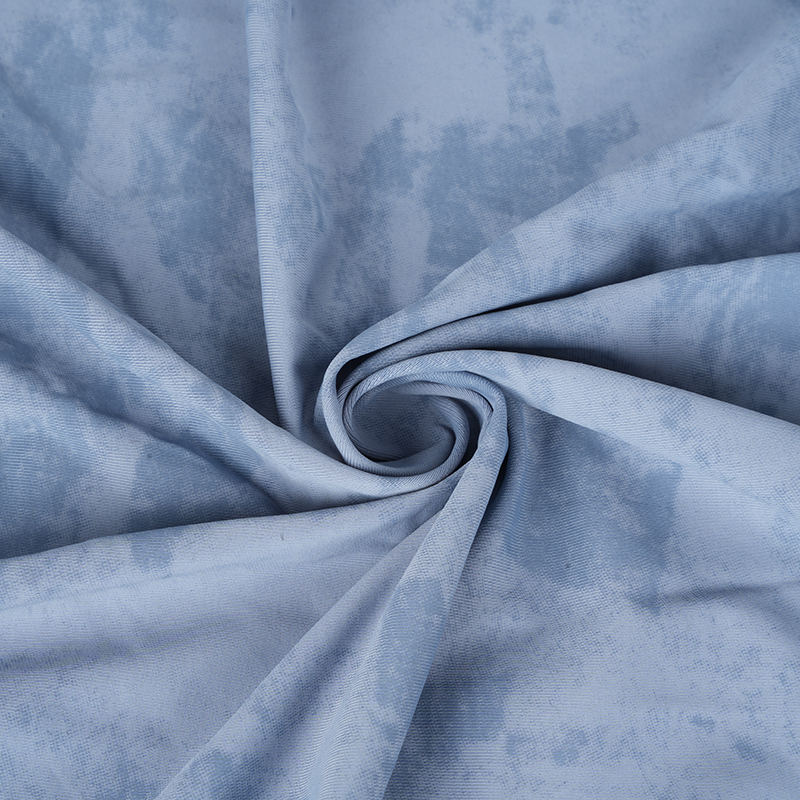
Dri-FIT Nike Material Explained: How Moisture-Wicking Fabric Technology Works
Oct 21,2026
how to make polyester fiber: Applications, Selection Criteria, and Practical Guidance
Oct 14,2026
What Is Tex in Textiles? The Linear Density Unit Every Buyer Must Know
Oct 07,2026This composition is not trivia. Every quality a buyer evaluates, from luster and drape to dye uptake and wash durability, can be traced back to silk's protein chemistry. When a supplier describes a material as silk-like, what that really means is that another fiber has been engineered to imitate part of that protein-driven behavior.
Fibroin accounts for 70 to 80 percent of the fiber's weight and forms the structural core. Its amino acid sequence is simple and repetitive: about 43 percent glycine, 30 percent alanine, and 12 percent serine. This allows the chains to fold into tightly packed beta-sheet crystals, which give silk its strength and its characteristically smooth surface.
Sericin makes up most of the remaining 20 to 30 percent and acts as an adhesive gum that bonds the fibroin strands and cements the cocoon wall. Raw silk straight from a cocoon feels stiff and dull because of sericin. Once the gum is dissolved away during degumming, the fiber turns soft, lustrous, and ready to take dye.
| Component | Share of fiber | Structural role | Processing fate |
| Fibroin | 70 to 80% | Crystalline filament core | Retained; forms the degummed silk fiber |
| Sericin | 20 to 30% | Gum-like coating and binder | Dissolved in hot soap or water baths |
| Waxes, fats, minerals | 1 to 3% | Natural surface impurities | Removed during reeling and scouring |
The posterior part of the silk gland secretes fibroin; the middle part adds sericin around it. When the larva is ready to pupate, it presses the spinneret against the cocoon surface and draws its head in a figure-eight pattern for about three days, repeating the motion 250,000 to 300,000 times to build the cocoon.
Each cocoon is one uninterrupted filament, typically 300 to 900 meters long. Because the filament is continuous rather than spun from short staples, silk yarn keeps an unusually smooth surface, which is the physical basis of its sheen.
Each stage preserves or removes part of the fiber's natural structure. Overheating the cocoons, reeling too fast, or leaving sericin residues will damage evenness, luster, and dyeing behavior.
Cocoons are heated or steamed to kill the pupa before it emerges and cuts through the shell, preserving the filament as one continuous length.
Workers brush the cocoon to find the filament end, then combine filaments from three to eight cocoons onto a reel. The combined strand becomes one raw silk thread with a controlled diameter.
The reeled thread is twisted into yarn to control hand-feel and strength, then boiled in soap or enzyme baths to strip the sericin. Degummed silk loses about 20 to 25 percent of its weight and takes on its familiar soft, brilliant character.
The market is full of materials that look like silk; the difference is composition. Rayon is regenerated cellulose, polyester is a petroleum polymer, and metallic yarns are metal-coated polymer films. Buyers who know what silk is made of can judge these alternatives against the product's real needs.
| Fiber | Raw material | Polymer type | Dry tenacity (g/den) | Moisture regain |
| Mulberry silk | Silkworm cocoon | Protein (fibroin plus sericin) | About 4.8 | About 11% |
| Rayon (viscose) | Wood pulp | Regenerated cellulose | About 2.7 | 11 to 13% |
| Polyester | Petroleum | Polyethylene terephthalate | About 5.2 | About 0.4% |
| M-type metallic yarn | PET film plus aluminum coating | Metal-coated composite | 2.5 to 4.0 | Under 1% |
Rayon comes closest to silk's moisture feel and drape but loses 40 to 55 percent of its strength when wet. Polyester is stronger and dries quickly, yet its low moisture regain builds static and feels less breathable. Metallic yarns such as our M-type series are not silk replacements; they add bright highlights and surface structure that no plain silk can match.
At JinDun Textile Co., Ltd., which has been in textile manufacturing since 2006, these differences drive daily sourcing decisions. Buyers who want a silk hand and drape at a controlled cost choose rayon printed woven fabric for blouses. Knitwear programs that need a silky plush surface use imitation mink yarn instead of silk boucle. Decorative lines pair metallic yarn with silk grounds for extra body and luster.
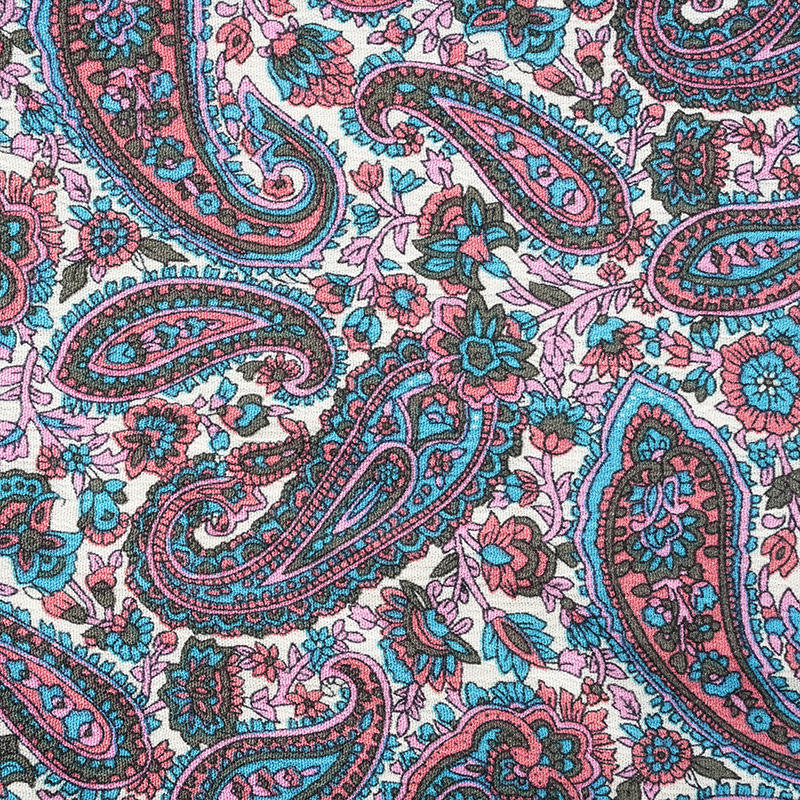 Rayon Printed Woven Fabric for Versatile Garment UseThis woven rayon offers a flat, stable surface with customizable prints, ideal for blouses and other apparel where silk-like drape at controlled cost is needed.View Product → Imitation Mink Yarn with Durable Non-Shedding PileThis feather yarn provides a thick, plush surface with customizable fiber composition and counts, suited for knitwear, scarves, and accessories requiring silky loft.View Product →
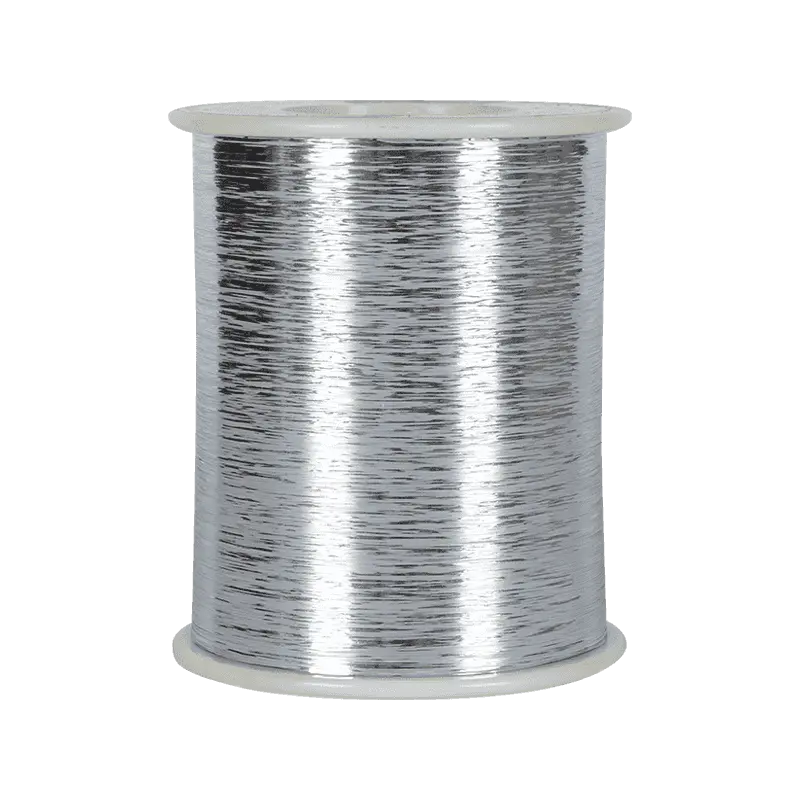
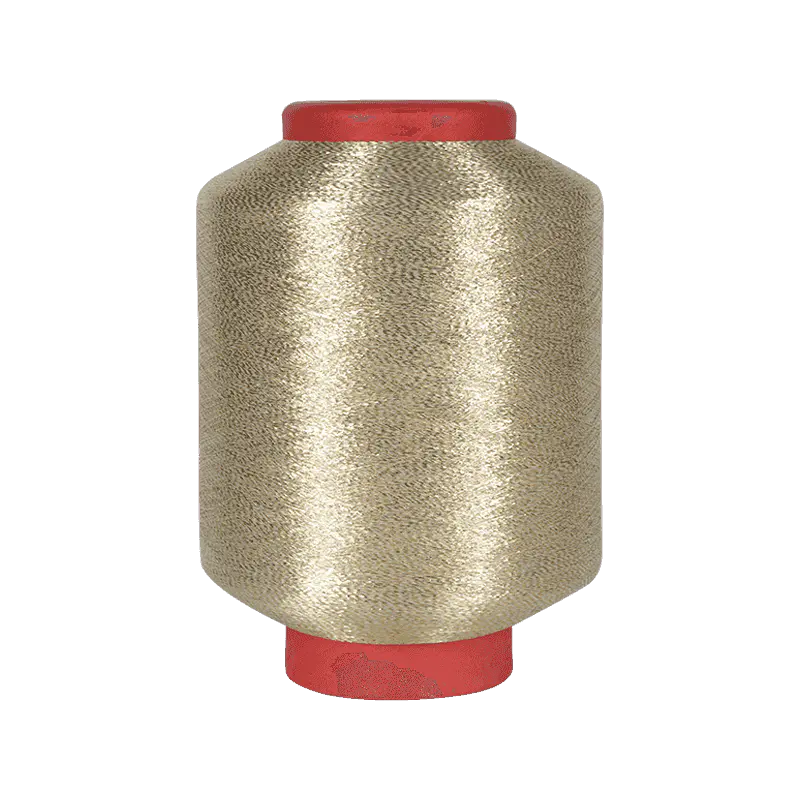
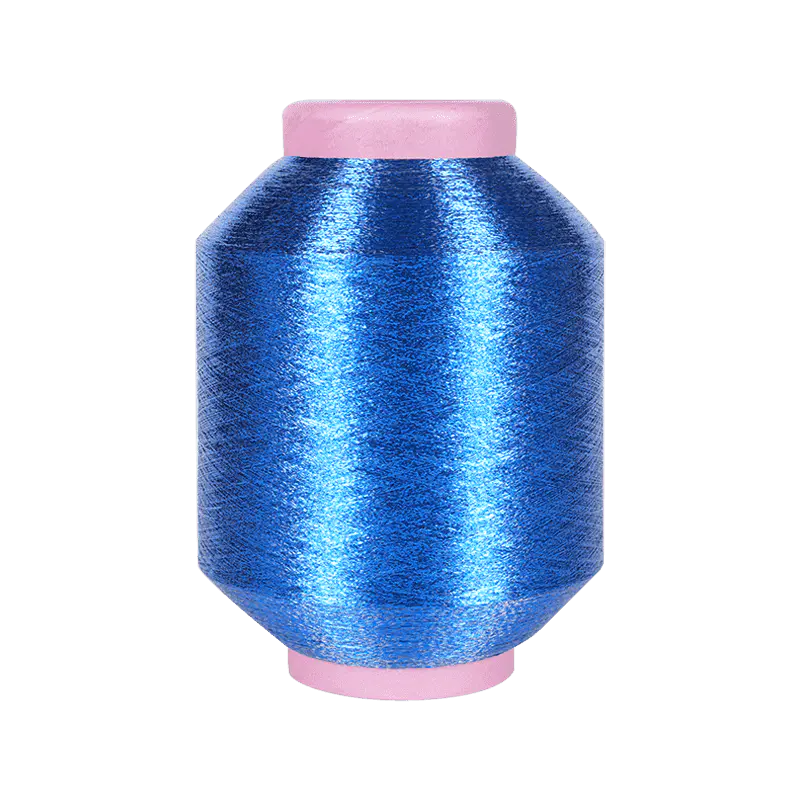
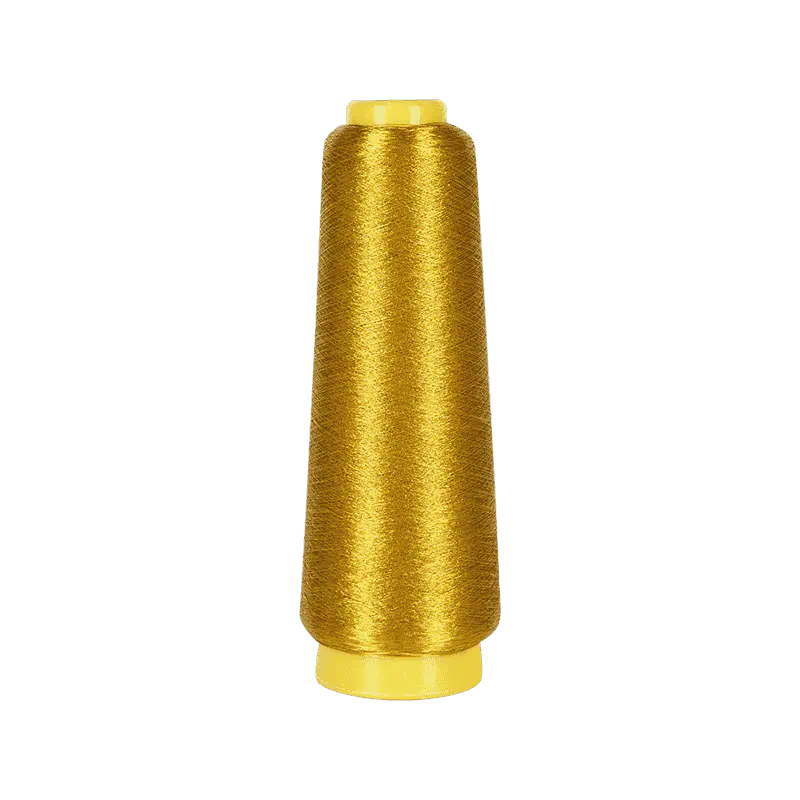
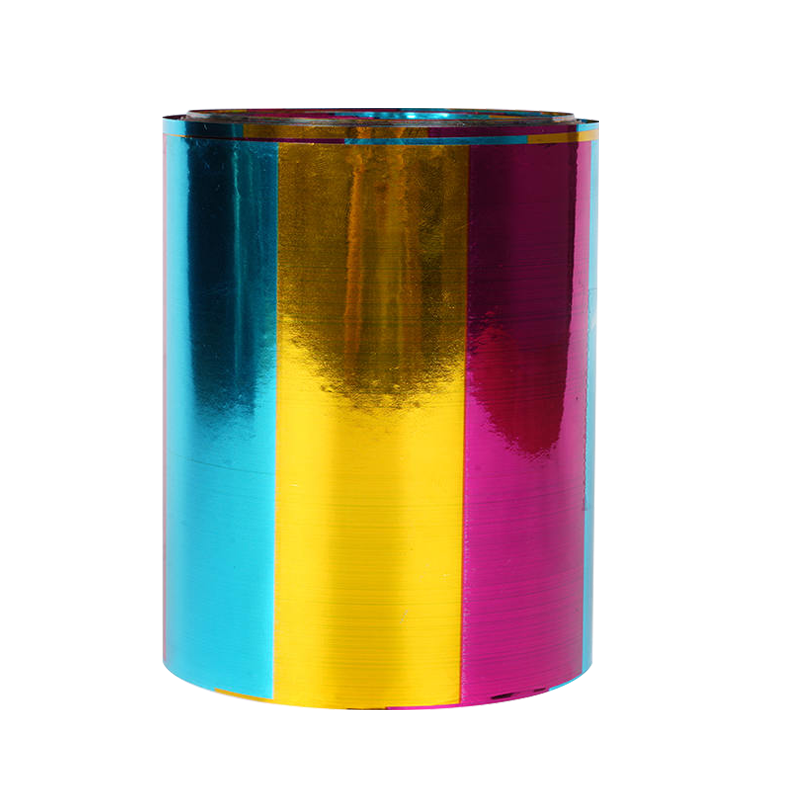
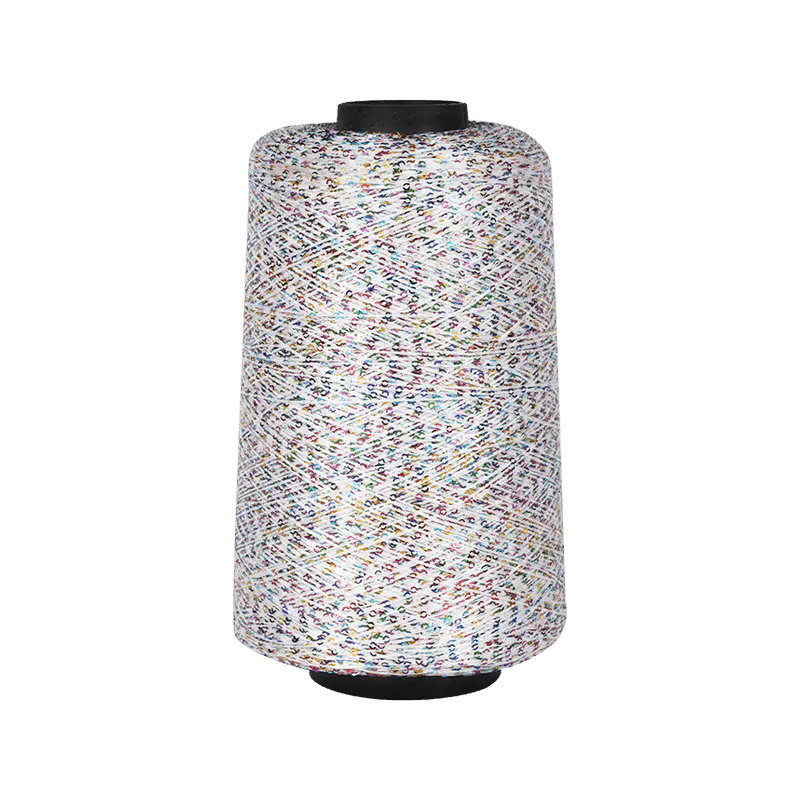
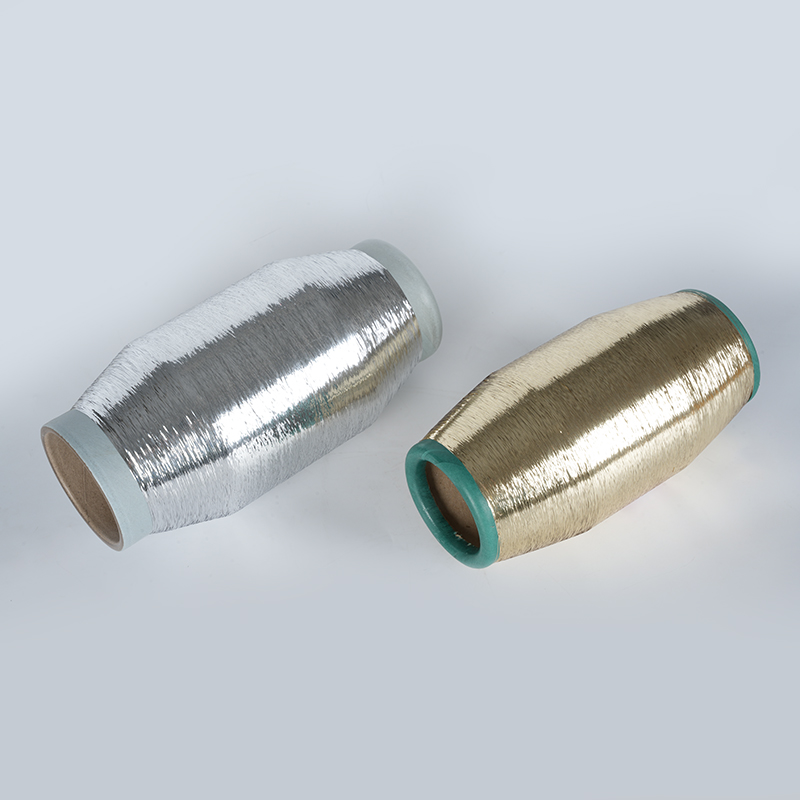 M Type Metallic Yarn for Decorative TextilesMade from slit metalized polyester film, this superfine yarn adds luster and body to high-grade fabrics, knitwear, and crafts, with multiple widths and stock colors.View Product →
Alternating crystalline and amorphous regions within fibroin carry load and absorb energy, producing a fiber with tensile strength comparable to high-grade steel at equal weight and an elongation at break of about 10 to 20 percent.
These numbers also explain why manufacturers blend silk with other yarns rather than pretend another fiber is identical. For decorative trims, the comparison runs in the other direction: how metallic yarn compares with other decorative threads when a design calls for light and movement that silk alone cannot deliver.
Silk is an animal fiber. It is produced by silkworm larvae as a protein secretion and contains no cellulose, so it behaves differently from cotton or linen in strength, moisture, and dyeing.
The filament consists of fibroin, which forms the strong crystalline core, and sericin, a soluble gum that coats and binds the fiber in the cocoon. After degumming, the remaining fiber is almost entirely fibroin.
Silk's protein chains absorb about 11 percent moisture, move with the wearer, and produce low static. Rayon shares silk's moisture feel but loses strength when wet; polyester is stronger but hydrophobic and less breathable.
Laboratory fermentation can create silk proteins from engineered microbes, but commercial apparel grades still come almost exclusively from reeling Bombyx mori cocoons. Spun silk and waste silk are made from broken filaments that cannot be reeled.
Your email address will not be published. Required fields are marked *