English
 русский
 Español
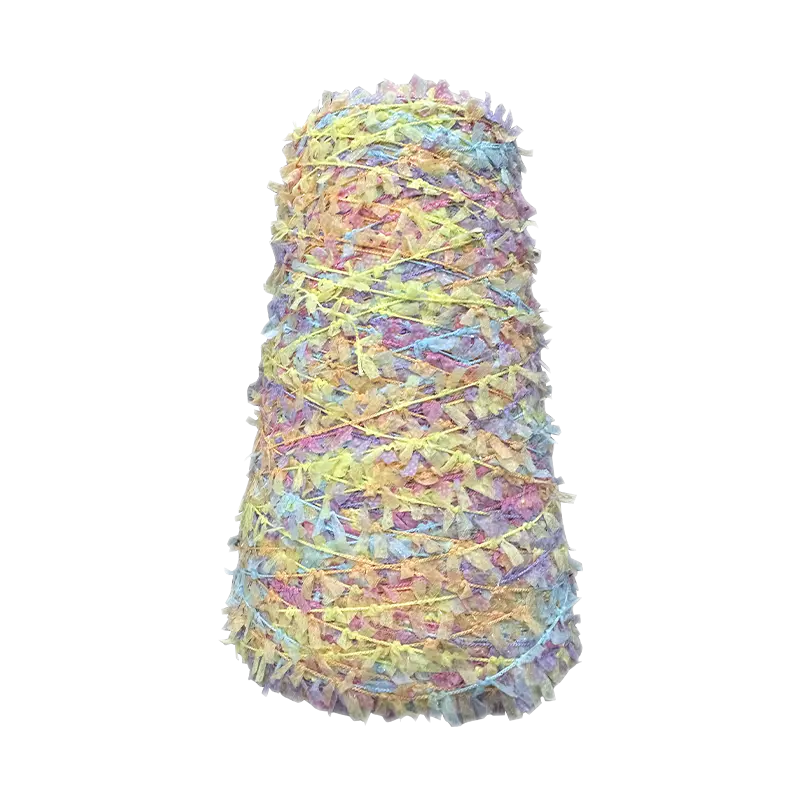
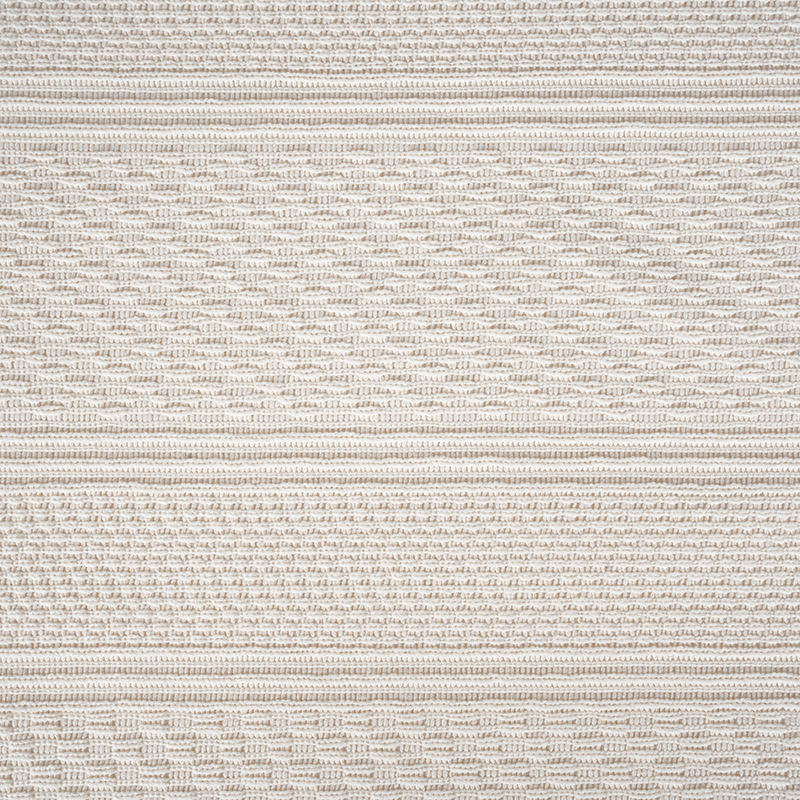
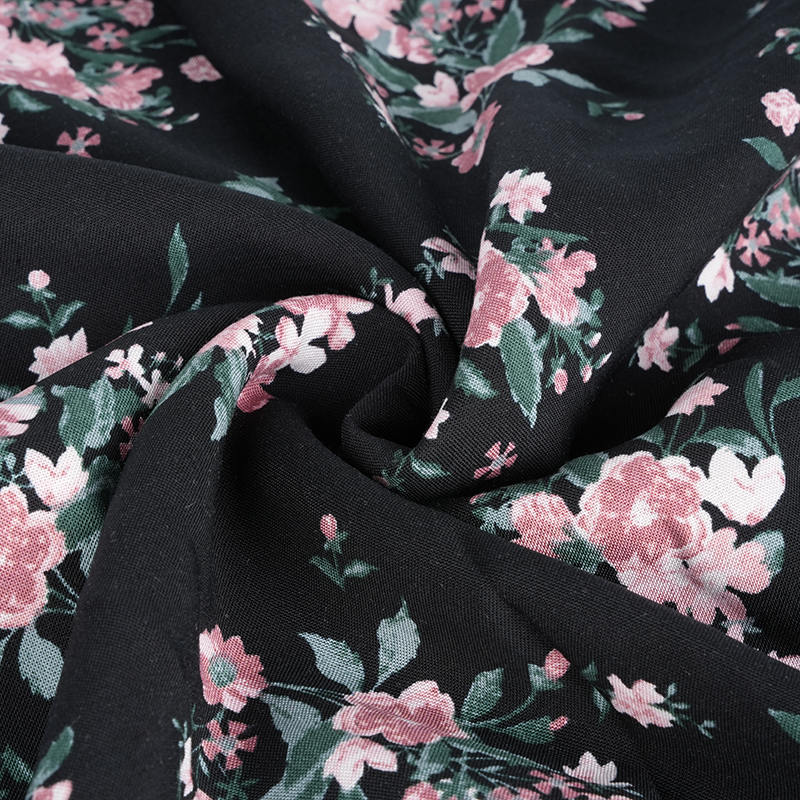
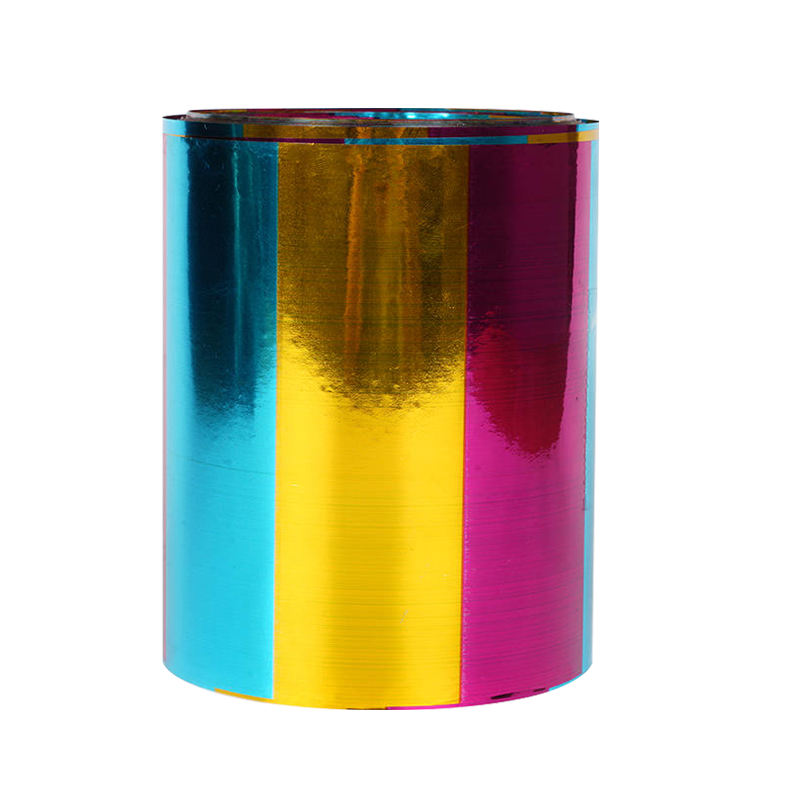
Functional yarn represents a paradigm shift in textile manufacturing—moving beyond simple structural fibers to engineered materials that actively enhance product performance. Whether managing moisture in athletic wear, preventing bacterial growth in medical textiles, or conducting electrical signals in smart fabrics, modern functional yarn delivers specialized capabilities that traditional yarns cannot match. Industries from healthcare to automotive are demanding these advanced solutions to meet evolving consumer expectations and regulatory requirements.
7+
Core functional properties available
6
Major industrial application sectors
30%+
Market growth in smart textiles annually
1 What Defines Functional Yarn and Why Industries Demand It
Functional yarn is purpose-engineered textile material that integrates specialized properties through fiber modification, material blending, surface treatment, or composite manufacturing. Unlike conventional yarns designed primarily for weaving structure and basic aesthetics, functional yarn adds measurable performance—moisture management, antibacterial action, thermal regulation, electrical conductivity, flame resistance, or enhanced durability.
The engineered approach means each yarn type is optimized for specific application demands. A moisture-wicking yarn used in sportswear has fundamentally different fiber structure than a conductive yarn designed for wearable electronics. Manufacturers specify functional yarn when textile performance directly impacts end-product success: comfort in activewear, safety in protective clothing, hygiene in medical fabrics, or durability in automotive interiors.
Performance-specific engineering: Each functional yarn variant is designed with distinct fiber chemistry and structure to deliver targeted benefits—not a one-size-fits-all solution.
Durability of function: Unlike surface treatments that wash away, functional properties are integrated into fiber structure, surviving repeated laundering and extended use cycles.
Processing compatibility: Modern functional yarn maintains compatibility with standard weaving and knitting equipment, enabling seamless integration into existing production lines.
2 Seven Core Functional Properties and Their Industrial Applications
Functional yarn manufacturers have mastered specific performance properties. Understanding which functions address your application determines your yarn specification.
| Functional Property | How It Works | Primary Applications |
| Moisture Management | Fiber structure rapidly absorbs and transports sweat away from skin | Sportswear, outdoor clothing, performance apparel |
| Antibacterial Action | Integrated antimicrobial agents inhibit bacterial and fungal growth | Medical textiles, healthcare products, hygiene fabrics |
| Thermal Regulation | Fiber properties absorb excess heat or provide insulation | Cold-weather gear, protective uniforms, industrial wear |
| Electrical Conductivity | Integrated conductive fibers transmit electrical signals | Smart wearables, electronic textiles, sensor fabrics |
| Flame Resistance | Chemical composition prevents or slows flame propagation | Protective clothing, industrial safety textiles, uniforms |
| UV Protection | Fiber structure or additives absorb harmful UV radiation | Outdoor apparel, swimwear, beach and sports textiles |
| Enhanced Strength | Advanced fiber chemistry delivers superior tensile strength | Industrial fabrics, reinforcement materials, heavy-duty textiles |
3 Manufacturing Process: How Performance Gets Built Into Yarn
Understanding how functional yarn is manufactured clarifies why quality control is critical. Performance properties must be carefully integrated during production to ensure durability through the yarn's entire service life.
- Functional fiber selection: Suppliers source specialized fibers—polyester with moisture-wicking properties, nylon with inherent antimicrobial characteristics, or carbon fibers for conductivity. Fiber choice determines the primary functional benefit.
- Material blending and preparation: Base fibers are combined with functional additives, conductive particles, or specialty components. Blending ratios are precise to achieve target performance without compromising structural integrity.
- Spinning and yarn formation: Blended materials are processed through spinning equipment that orients fibers and integrates functional components uniformly throughout the yarn structure.
- Yarn twisting and consolidation: Individual yarn strands are twisted together at controlled tensions. Twist angle and tightness affect both functionality and processing characteristics.
- Surface modification and treatment: Finished yarn may receive chemical treatments that enhance functionality—setting moisture-wicking properties, activating antimicrobial performance, or improving electrical conductivity.
- Quality verification and testing: Tensile strength, functional performance, durability through simulated washing cycles, and appearance are tested against specifications. Only yarns meeting all criteria are shipped to customers.
Function Must Survive Real-World Use: The defining characteristic of quality functional yarn is that performance persists. Cheap alternatives apply surface treatments that wash away after 3–5 laundering cycles. Premium suppliers engineer function into fiber structure itself, ensuring antibacterial effectiveness, moisture management, or conductivity remains strong after 20+ wash cycles and years of real-world use.
4 Real-World Applications Across Six Industry Sectors
Sportswear & Activewear
Moisture-wicking functional yarn keeps athletes dry by rapidly transferring sweat to fabric surface where it evaporates. Performance requirements are measurable: moisture transport time under 10 minutes, maintaining effectiveness through 50+ wash cycles.
Medical & Healthcare
Antibacterial functional yarn reduces pathogen transmission in hospital environments, surgical wear, and patient textiles. Regulatory compliance requires documented antimicrobial testing and performance retention through sterilization processes.
Automotive Interiors
Durable, flame-resistant functional yarn creates seat fabrics that meet safety standards while delivering comfort. Yarns must withstand temperature cycling, UV exposure, and repeated flexing without performance degradation.
Industrial Protective Wear
High-strength, flame-resistant functional yarn protects workers in hazardous environments. Fabrics must meet NFPA certification and retain performance after exposure to chemicals, extreme temperatures, and mechanical stress.
Smart Textiles & Wearables
Conductive functional yarn integrates electronics into fabric, enabling heartrate monitors, temperature sensors, and gesture recognition. Electrical properties must remain stable through washing, stretching, and extended wear.
Outdoor & Adventure Apparel
UV-protective and thermal-regulating functional yarn keeps outdoor enthusiasts safe and comfortable. Performance must survive harsh UV exposure, temperature extremes, and consistent use over multiple seasons.
5 Functional Yarn vs. Traditional Yarn: Why Performance Demands Specialization
Traditional yarns deliver basic textile structure and appearance. Functional yarn adds layers of engineered performance. The value difference becomes clear when examining real-world demands: a standard polyester shirt deteriorates in athletic performance after a few washes, while a functional yarn shirt maintains moisture management and comfort indefinitely.
Cost-conscious manufacturers sometimes try to add performance through surface coatings or aftermarket treatments. These approaches fail within weeks of consumer use. Quality functional yarn builds performance into fiber chemistry itself, ensuring durability that matches the product's expected lifespan.
6 Four Critical Selection Criteria for Your Application
1. Define Exact Functional Requirements
Before contacting suppliers, clearly specify which performance properties your application requires. Moisture management for sportswear differs fundamentally from antibacterial needs in medical textiles. Each function has different processing implications, cost profiles, and certification requirements. Functional yarn precision-engineered for your specific need outperforms generic "multifunctional" alternatives.
2. Verify Performance Durability and Testing Documentation
Request evidence that functional properties survive your application's actual use conditions. Ask suppliers for wash-testing data (does antibacterial effectiveness persist after 20 launders?), UV stability testing results, and electrical conductivity documentation. Functional yarn performance claims should be backed by third-party testing, not manufacturer assertions.
3. Confirm Processing Compatibility and Production Capability
Verify that your chosen functional yarn is compatible with your specific weaving or knitting equipment, twist settings, and production speeds. Some functional yarn variants require temperature control or humidity management during processing. Request trial runs on your equipment before bulk orders to validate performance.
4. Evaluate Supplier Technical Support and Customization Ability
Leading functional yarn suppliers provide technical support that addresses processing challenges and helps optimize performance in your specific application. Verify that suppliers can customize fiber blends, yarn counts, or functional properties for OEM requirements, and confirm they have capacity to scale production with your growth.
7 Future Innovations in Functional Yarn Technology
The functional yarn industry is advancing rapidly toward smarter, more sustainable solutions. Next-generation functional yarn integrates sensors directly into fiber structure, enabling real-time biometric monitoring in medical textiles and athletic wear. Recycled functional fibers are becoming viable, allowing manufacturers to deliver high performance while reducing environmental impact. Multifunctional yarns that combine moisture management, antibacterial action, and UV protection in a single yarn are moving from laboratory to commercial production.
8 Frequently Asked Questions About Functional Yarn
How long does the antibacterial functionality persist after washing?
Premium functional yarn maintains antibacterial effectiveness for 50+ wash cycles and beyond. This durability is achieved through fiber integration rather than surface coating. Always request specific wash-cycle testing data from suppliers—performance claims should be quantified and independently verified, not generic.
Can functional yarn be dyed without losing performance properties?
Yes, when handled correctly. Functional yarn accepts most commercial dyes, though dyeing temperatures and chemical exposure must be controlled to avoid damaging functional properties. Work directly with suppliers who have experience dyeing your specific functional yarn type to ensure color fastness and performance retention.
What is the cost difference between functional and traditional yarn?
Functional yarn typically costs 20–50% more than traditional yarns, depending on the specific functions and fiber composition required. The investment is justified by extended product lifespan, improved performance, reduced replacement rates, and ability to command premium pricing for high-performance end products. Calculate total cost of ownership, not just raw material expense.
How do I ensure functional properties survive my production processes?
Request technical guidance from functional yarn suppliers regarding temperature limits, chemical exposure, and processing speeds that preserve performance. Conduct trial production runs with their support. Leading suppliers provide detailed processing guidelines and troubleshooting assistance to ensure your production successfully harnesses the yarn's full functional potential.
Are there certifications I should look for when selecting functional yarn?
Yes. Medical textiles should specify ISO 20645 (antimicrobial testing), flame-resistant applications should meet NFPA standards, and UV-protective products should document UPF performance. Functional yarn suppliers serving regulated industries maintain appropriate certifications. Always request documentation proving compliance with standards relevant to your application.
 |
 |