English
 русский
 Español
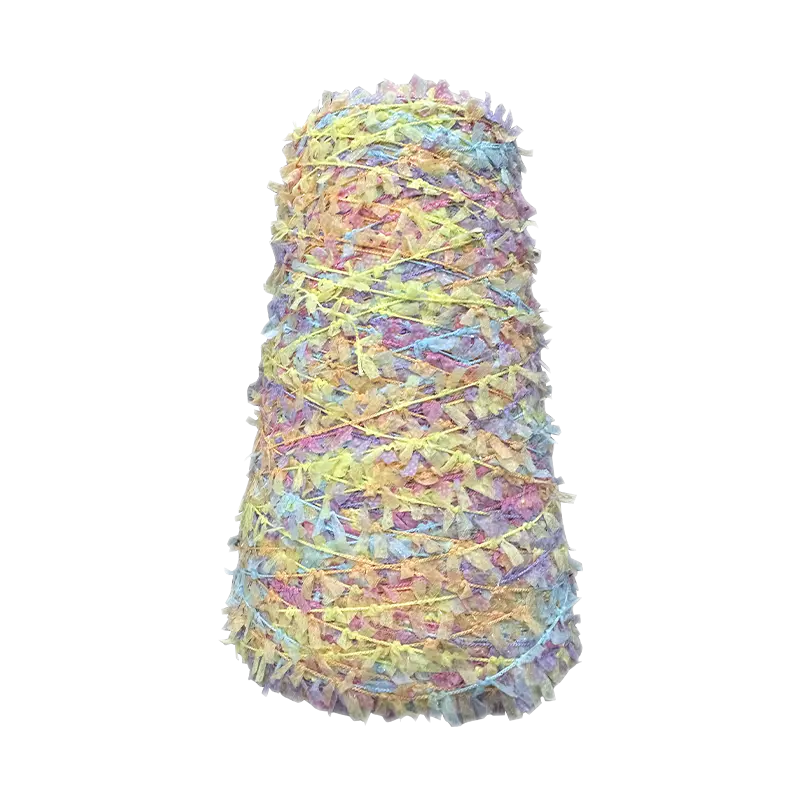
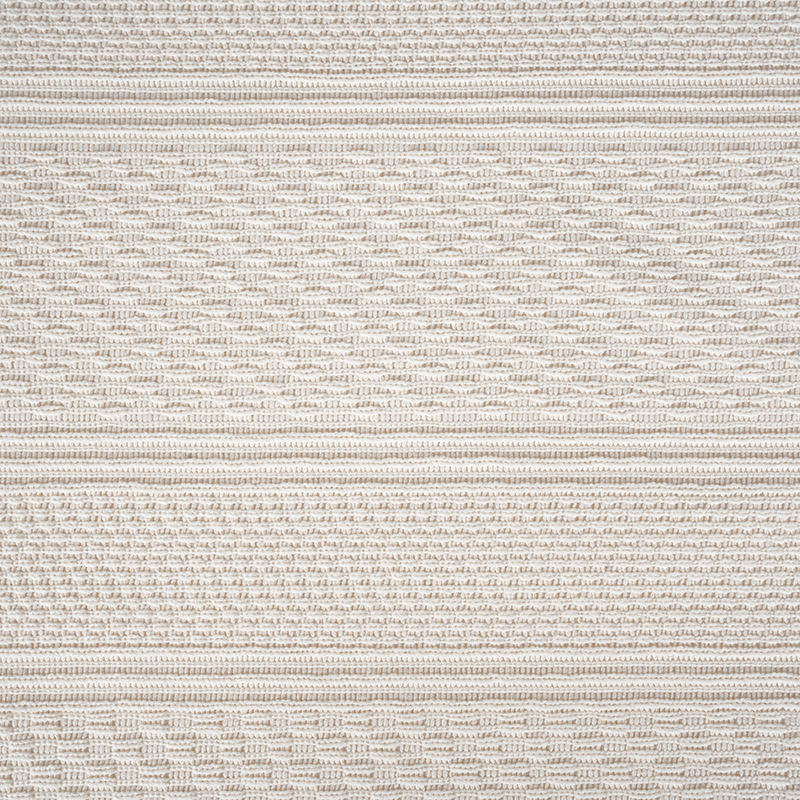
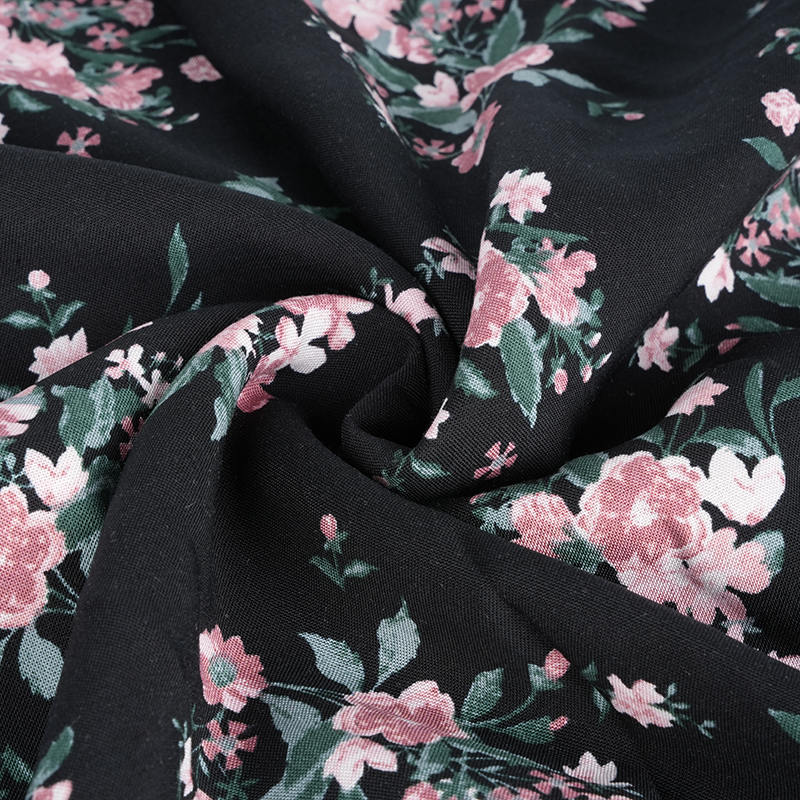
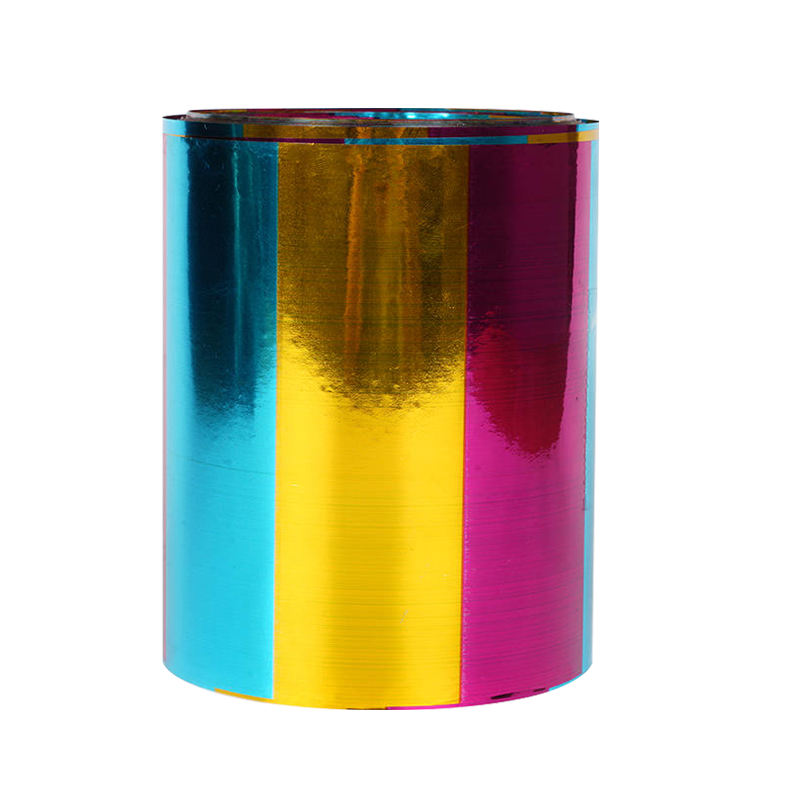
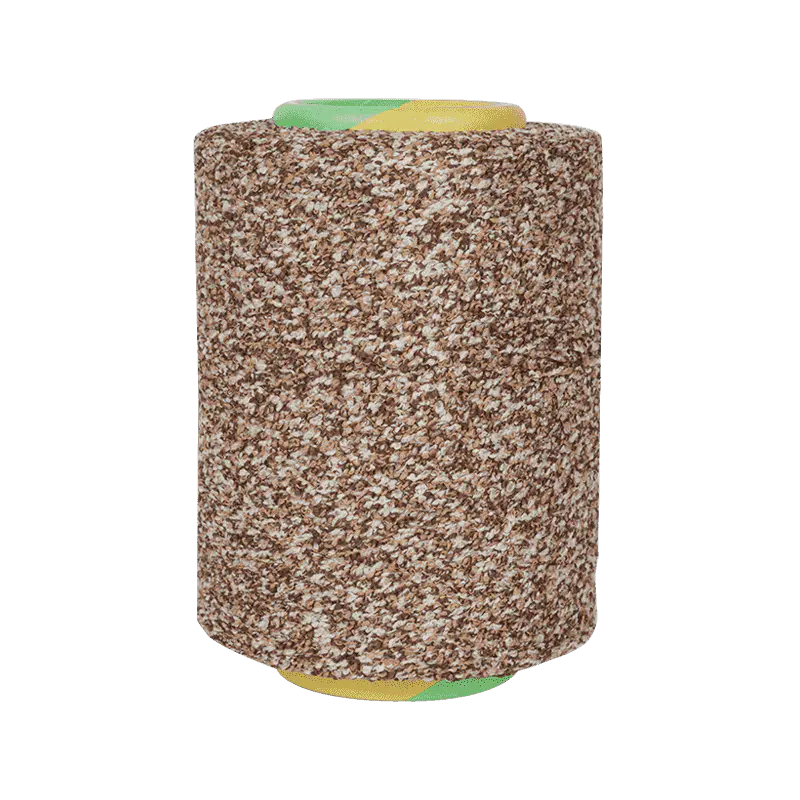
Fancy yarn for knitting transforms flat knitted surfaces into textured, visually compelling fabrics that command premium pricing and consumer attention. Unlike conventional yarns that produce uniform fabric, fancy yarn integrates decorative effects directly into yarn structure—slubs create dimensional texture, bouclé loops add playful volume, metallic strands catch light, and color variations build visual complexity. Fashion brands leverage these capabilities to achieve distinctive designs that require no additional finishing processes, while manufacturers gain production efficiency through integrated aesthetics.
8+
Distinct fancy yarn effect types
40%
Premium price multiplier in fashion knitwear
5
Major application segments
1 What Makes Fancy Yarn Essential for Modern Knitwear Design
Fancy yarn for knitting is engineered with decorative structures created by combining different fiber types, varying yarn thicknesses, special twisting methods, and surface treatments. The result is yarn that produces three-dimensional fabric effects during knitting—without requiring additional embroidery, embellishment, or post-production finishing. A slub fancy yarn creates irregular texture throughout fabric. Bouclé yarn adds dimensional loops. Metallic fancy yarn catches light, creating visual shimmer. Each effect emerges directly from yarn architecture.
This integrated approach delivers multiple manufacturing advantages. Design differentiation happens at the yarn stage, eliminating costly finishing departments. Production speed increases because complex visual effects emerge during knitting rather than requiring post-processing. Quality remains consistent because effect structure is engineered into every meter of yarn. Manufacturers specifying fancy yarn for knitting reduce production complexity while creating premium visual appeal that justifies higher retail pricing.
Integrated decorative effects: Visual effects and textures are engineered into yarn structure itself, creating three-dimensional fabrics during knitting without additional embellishment processes.
Soft, luxury hand feel: Premium fibers and specialized structures deliver the comfort and tactile appeal that consumers expect in fashion garments and home textiles.
Machine and hand knitting compatibility: Fancy yarn for knitting works seamlessly on circular machines, flat machines, and hand knitting needles—enabling diverse production methods and market segments.
2 Eight Effect Types and Their Unique Visual Contributions
Fancy yarn for knitting encompasses distinct effect types, each creating different visual and tactile results. Understanding the characteristics of each helps match yarn selection to design intent.
| Effect Type | Visual Characteristic | Primary Use Cases |
| Slub Yarn | Irregular thickness with thick and thin areas creating subtle texture | Casual sweaters, textured fabrics, fashion forward designs |
| Bouclé Yarn | Dimensional loops extending from yarn surface adding volume | Statement knits, cozy sweaters, luxury knitwear |
| Chenille Yarn | Fuzzy, caterpillar-like texture creating soft, dense appearance | Blankets, home textiles, comfort-focused garments |
| Loop Yarn | Prominent loops throughout creating three-dimensional effect | Novelty items, art textiles, statement fashion pieces |
| Feather Yarn | Wispy, feathery texture creating light, ethereal appearance | Delicate fashion garments, shawls, luxury accessories |
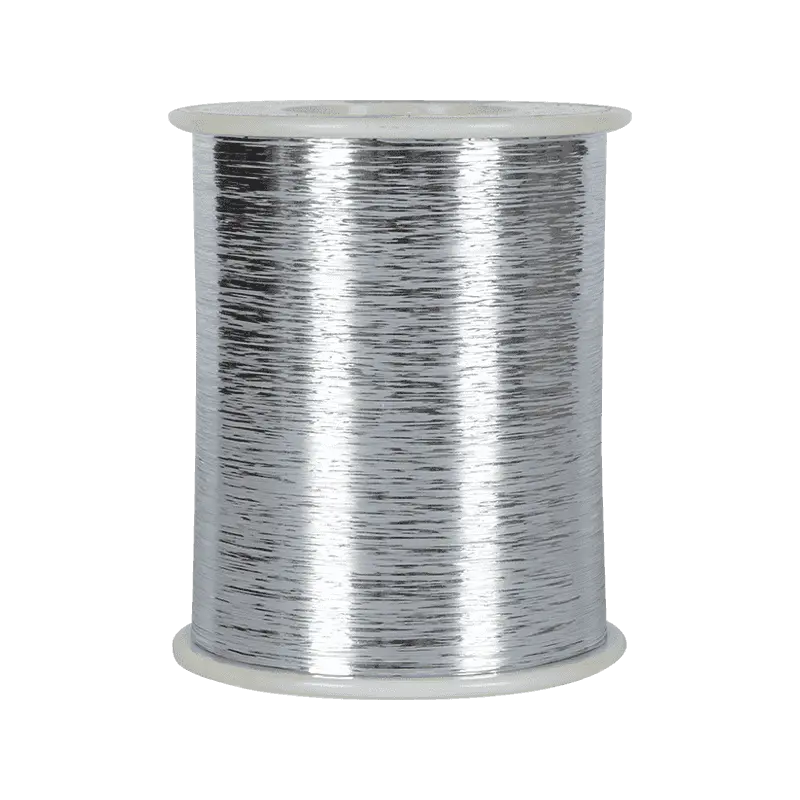
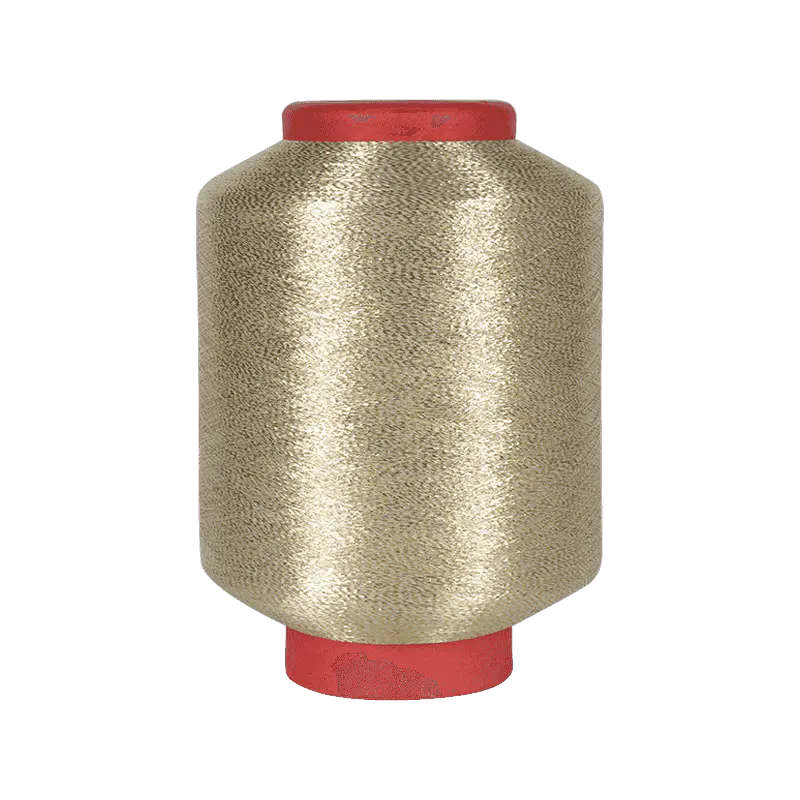
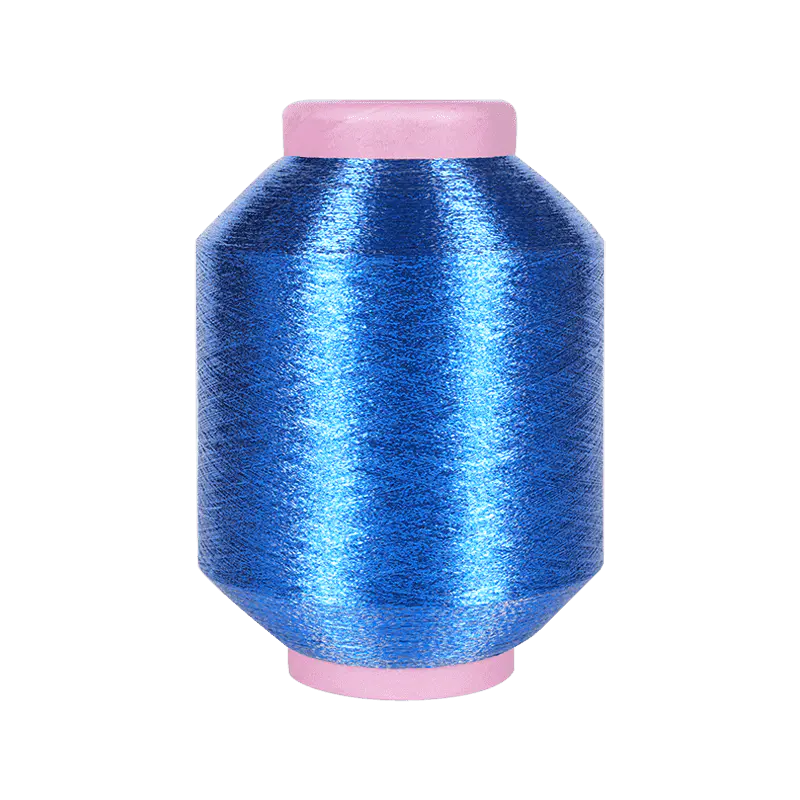
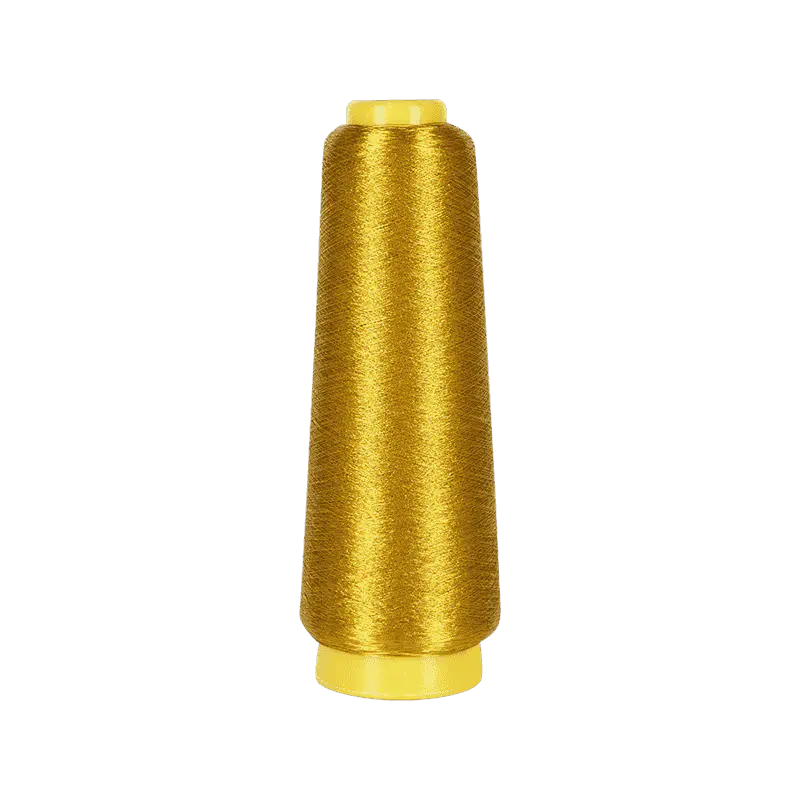
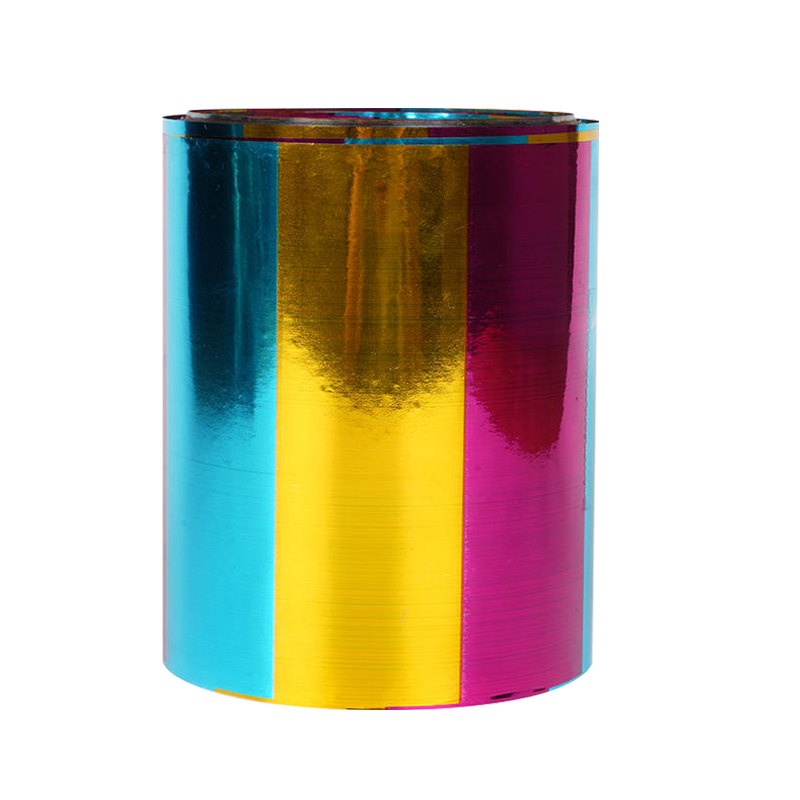
| Metallic Yarn | Shiny, reflective surface catching and bouncing light | Evening wear, fashion statements, decorative accents |
| Hairy Yarn | Short fibers protruding creating fuzzy, brushed texture | Cozy sweaters, winter wear, comfort textiles |
| Ribbon Yarn | Flat, wide structure creating smooth drape with sheen | Elegant garments, high-fashion applications, premium pieces |
3 Manufacturing Complexity: Why Quality Control Defines Performance
Creating consistent fancy yarn for knitting demands precise manufacturing discipline. Unlike conventional yarns where uniformity is paramount, fancy yarn requires deliberate irregularity—but irregularity that remains predictable and repeatable. A slub yarn must have consistent thick-thin patterns. Bouclé loops must form at regular intervals. Metallic coverage must remain uniform across batches.
- Fiber selection and blending: Premium fibers are chosen for the base yarn and for effect components. Blend ratios are precise to achieve desired hand feel, strength, and decorative impact. Different fiber types (polyester, acrylic, wool, nylon) are combined strategically.
- Core yarn production: Foundation yarn is spun from blended fibers. This core provides structural strength and knitting stability. Strength, elasticity, and evenness are carefully controlled.
- Effect yarn creation: Decorative elements are produced separately—slub components, bouclé loops, metallic fibers, or textured fibers. Each effect type requires specialized production technology.
- Twisting and wrapping: Effect components are twisted or wrapped around the core yarn using specialized machinery. This is where effect patterns are established. Twist angles, wrap density, and spacing determine final appearance.
- Heat setting and stabilization: Finished yarn passes through heat chambers that set the twist structure and stabilize dimensional characteristics. Heat timing and temperature are critical to preserving effect durability through multiple wash and wear cycles.
- Quality verification: Yarn evenness, texture consistency, color uniformity, and knitting performance are tested against specifications. Only yarn meeting all criteria advances to packaging and shipping.
Texture Consistency Matters in Fashion Production: Batch variation in fancy yarn for knitting creates visible differences in finished garments. If one batch has tighter bouclé loops than the next, the resulting sweater shows obvious pattern variation that damages product quality perception. Premium suppliers invest in advanced process controls and frequent quality testing that guarantee consistent effect formation across all production batches—essential for brands manufacturing multiple production runs of the same design.
4 Real-World Applications Across Five Market Segments
Fashion Knitwear
Fancy yarn for knitting enables designers to create distinctive sweaters, cardigans, and dresses that stand out in competitive fashion markets. Slub and bouclé effects communicate premium positioning and justify higher retail prices. Design differentiation happens at the yarn stage, reducing design costs.
Home & Lifestyle Textiles
Soft, textured fancy yarn creates appealing blankets, cushions, and throws that consumers perceive as luxury items. Chenille and hairy fancy yarns deliver the softness that drives repeat purchases and positive brand perception.
Hand Knitting & Craft Markets
Creative consumers select fancy yarn specifically to add visual complexity to handmade projects. Hand knitters willingly pay premium prices for yarn that creates professional-looking results without requiring advanced techniques.
Luxury & Premium Collections
High-end brands leverage metallic and ribbon fancy yarn for evening wear and designer pieces where visual drama and exclusive appearance justify luxury pricing. Designer collections build brand identity through distinctive yarn selection.
OEM & Contract Manufacturing
Manufacturers offering design services to brands specify custom fancy yarn formulations. Customization capability—unique color combinations, specific effect styles, tailored blend ratios—becomes competitive advantage for contract producers.
5 Why Fancy Yarn Outperforms Traditional Approaches to Texture
Fancy yarn for knitting addresses fundamental limitations of post-production embellishment. Traditional approaches apply surface decoration after knitting—embroidery adds cost and production time, special finishes wash away, additional yarns require specialized equipment, and hand embellishment creates quality inconsistency.
Integrated fancy yarn eliminates these inefficiencies. Texture emerges during knitting at no additional labor cost. Effects are permanent because they're built into fiber structure. Production complexity decreases because no finishing department involvement is required. Quality consistency improves because effect structure is engineered into every yarn batch. Manufacturers adopting fancy yarn for knitting experience reduced production costs combined with enhanced product appeal—a rare combination that drives significant competitive advantage.
6 Five Critical Selection Criteria for Your Design
1. Match Effect Type to Design Aesthetic and Market Positioning
Define whether your design calls for subtle textural variation (slub yarn), playful dimensionality (bouclé), luxury softness (chenille), bold visual drama (loop yarn), or elegant sheen (ribbon or metallic yarn). Fancy yarn effect selection should align with brand positioning and consumer expectations. Premium brands typically choose refined effects; fashion-forward brands may select bold novelty yarns.
2. Verify Fiber Content and Softness Specifications
Confirm that fiber composition delivers desired hand feel and comfort characteristics. Request samples and evaluate against your quality standards. Blend ratios significantly impact fabric softness, durability, and washability. Fancy yarn for knitting fiber selection should match intended use—polyester for durability, wool for warmth, acrylic for affordability, or blends for balanced performance.
3. Confirm Knitting Machine Compatibility and Performance
Verify that yarn diameter, twist structure, and effect characteristics work with your specific knitting equipment. Some fancy yarn types require tension adjustment or speed modification. Request trial production runs on your equipment before committing to bulk orders. Fancy yarn performance varies by machine type—what works on circular machines may not work on flat machines without adjustment.
4. Test Durability of Effects Through Washing and Wear Cycles
Request samples and subject them to realistic washing and use conditions. Quality fancy yarn maintains decorative effects through 20+ wash cycles. Budget alternatives show effect degradation after 3–5 washes as bouclé loops flatten or slub texture becomes obscured. Request documented wash-test results from suppliers.
5. Evaluate Supplier Customization Capability and Production Stability
Leading fancy yarn suppliers offer custom color combinations, tailored blend ratios, and effect variations to match brand specifications. Confirm that suppliers can maintain production consistency across orders and scale capacity with your growth. Technical support for troubleshooting production issues becomes critical when introducing new fancy yarn types.
7 Future Innovations in Fancy Yarn Technology
The fancy yarn industry continues advancing toward smarter, more sustainable solutions. Recycled fiber fancy yarn is becoming commercially viable, allowing sustainable brands to deliver premium aesthetics with environmental responsibility. Multifunctional fancy yarns combining decorative effects with performance properties—moisture management in fashion yarn or antibacterial action in home textiles—represent emerging opportunities. Digital customization tools enable smaller manufacturers to access fancy yarn without minimum order constraints, democratizing creative design capability.
8 Frequently Asked Questions About Fancy Yarn for Knitting
How do bouclé loop effects survive washing without flattening?
Quality fancy yarn for knitting uses heat-set construction that stabilizes loop formation. Premium yarns maintain loop height through 30+ wash cycles. Budget alternatives show degradation after 5–10 washes as loops relax. Request wash-test documentation showing loop retention rates from your supplier before ordering.
Can fancy yarn be used on standard knitting machines or does it require special equipment?
Most fancy yarn for knitting works on standard circular and flat knitting machines, though tension and speed adjustments may be needed. Specialized loop or feather yarns may require specific equipment. Always confirm compatibility with your machinery type and request technical guidance from suppliers before production runs.
What is the price premium for fancy yarn compared to conventional yarn?
Fancy yarn for knitting typically costs 30–80% more than conventional yarn depending on effect type and fiber composition. Premium metallic or specialty blends command higher prices. The investment is justified by reduced finishing costs, production speed, design differentiation, and ability to command retail price premiums for finished garments.
How should I store fancy yarn to preserve effect durability?
Store fancy yarn in cool, dry conditions away from direct sunlight. Avoid crushing or compressing yarn under heavy weight, which can flatten bouclé loops or distort metallic effects. Ideal storage is 18–24°C with 40–60% humidity. Use cardboard or plastic spools—avoid storing in sealed plastic bags which can trap moisture and promote mold growth.
Are there specific dyeing considerations for fancy yarn?
Color fastness depends on fiber content and dye chemicals used. Some fancy yarns are pre-dyed; others accept custom dyeing. Metallic components cannot be redyed and must be color-selected at production. Discuss dyeing requirements directly with suppliers—they'll specify temperature limits and chemical compatibility that preserve effect integrity during coloring processes.
 |
 |