English
 русский
 Español
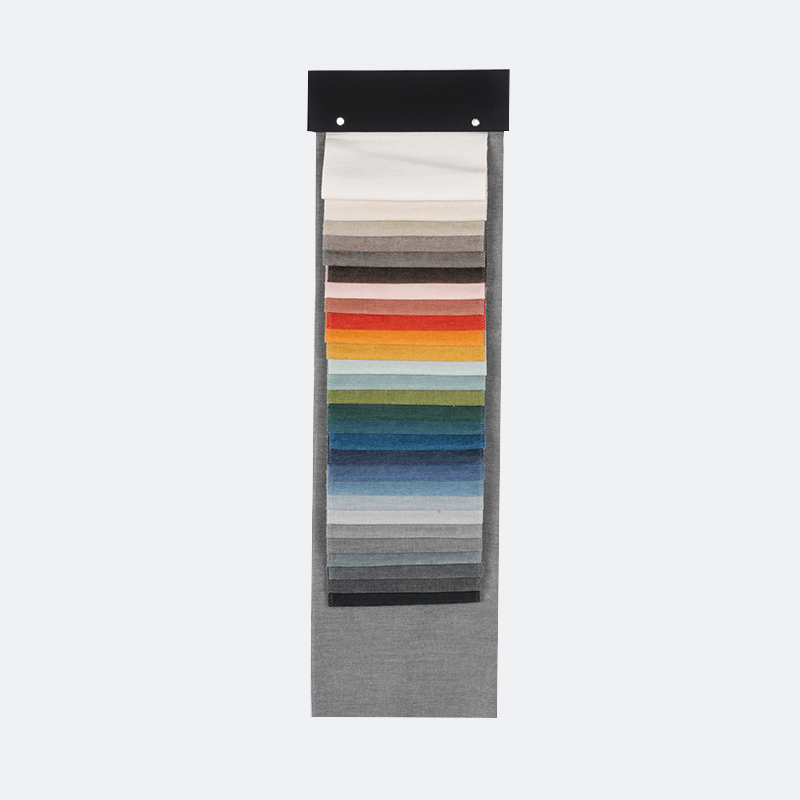
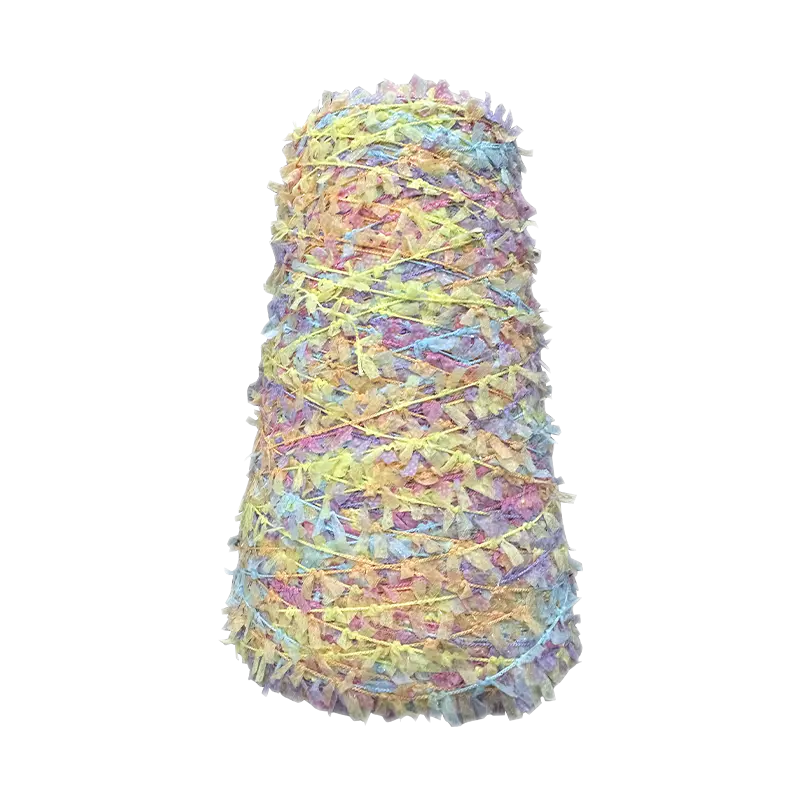
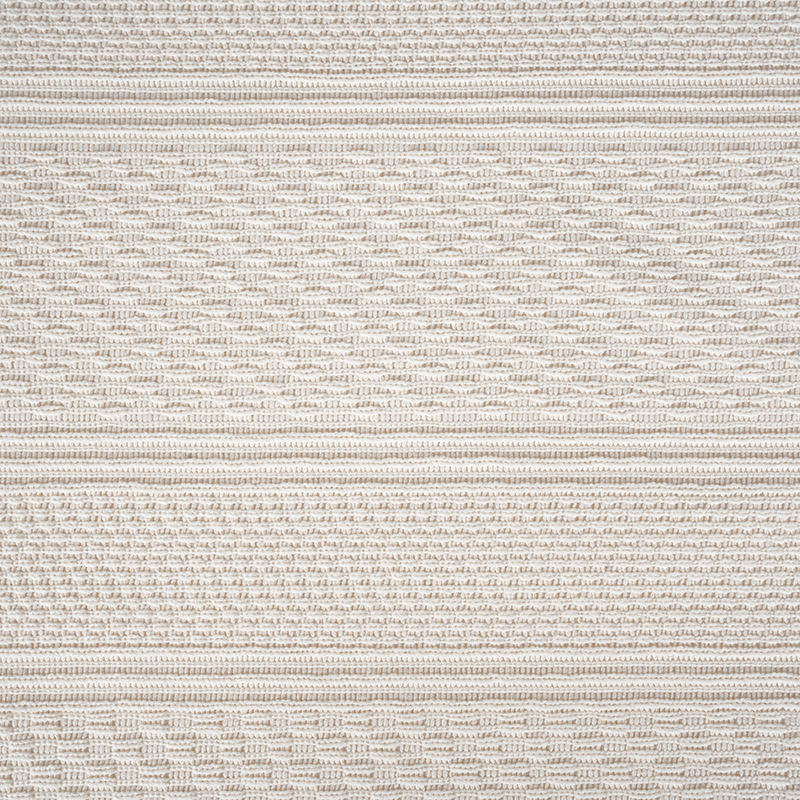
Fancy yarns are specialized textile materials engineered with intentional structural irregularities to create unique visual and tactile effects. They serve as an essential tool for designers seeking to add aesthetic value, complex texture, and dimensional stability to fabrics. By manipulating core, effect, and binder components, manufacturers can produce an infinite variety of yarn profiles that elevate ordinary textiles into premium materials. The strategic incorporation of fancy yarns allows brands to differentiate their products in a crowded market, catering to consumer demands for individuality and sensory richness in both fashion and interior design.
Understanding the Core Concept of Fancy Yarn
To fully appreciate the utility of fancy yarn, one must understand its fundamental difference from conventional spun or filament yarns. Regular yarns are designed for uniformity, strength, and smoothness to ensure predictable weaving and knitting behaviors. In contrast, fancy yarns deliberately disrupt this uniformity. They are created to exhibit deliberate irregularities in size, twist, or color along their length. This intentional deviation requires specialized spinning techniques that can control the placement and tension of different fiber streams.
The production of these yarns is not merely a byproduct of mechanical error but a highly calculated process. Engineers adjust spinning parameters to introduce loops, slubs, or spirals at specific intervals. This controlled chaos is what defines the identity of a fancy yarn, transforming the yarn itself into a primary design element rather than just a structural component of a fabric.
Key Structural Components
The construction of a fancy yarn typically relies on a three-element system. Understanding these components is crucial for anyone working with or designing these materials, as the interaction between them dictates the final appearance and performance of the yarn.
- The Core: This is the foundation or base thread around which the fancy effects are built. It provides the necessary tensile strength and structural integrity, ensuring the yarn can withstand the mechanical stresses of subsequent textile manufacturing processes.
- The Effect: This component creates the visual and tactile novelty. It is fed into the spinning frame at varying speeds to form the loops, knots, or slubs. The material used for the effect component can be drastically different from the core, allowing for creative contrasts in texture and color.
- The Binder: After the effect component is applied to the core, the structure can be unstable. A binder yarn is wrapped around the core and effect combination to lock the elements in place. Without a secure binder, the fancy effects would unravel during washing or wearing.
Popular Types and Their Unique Textures
The diversity of fancy yarns is vast, with each type offering distinct aesthetic properties suitable for specific applications. Below is an overview of some of the most prevalent types used in contemporary textile design.
| Yarn Type | Visual Characteristic | Primary Texture Profile |
|---|---|---|
| Slub Yarn | Intermittent thick sections | Rustic, organic, uneven |
| Boucle Yarn | Tight, curled loops | Bouncy, highly textured, springy |
| Chenille Yarn | Fuzzy, pile-like surface | Exceptionally soft, velvety, smooth |
| Spiral Yarn | Twisted, helix appearance | Elastic, wavy, dynamic |
Each of these types interacts differently with light and shadow. For instance, slub yarns are frequently used in denim to create a vintage, worn-in appearance without extensive chemical washing. Boucle yarns, with their pronounced loops, are favored for creating voluminous, lightweight knitwear that provides excellent thermal insulation without added weight.
Practical Applications in Modern Textiles
The application of fancy yarns extends across multiple sectors of the textile industry. Their primary role is aesthetic enhancement, but they also contribute functional benefits such as increased bulk, improved drape, and enhanced thermal properties.
Fashion and Apparel
In high fashion, fancy yarns are utilized to create statement pieces that catch the eye on the runway. Designers often use chenille or boucle to add a sense of luxury and depth to winter coats, sweaters, and scarves. The irregular surfaces break up light, preventing the garment from looking flat. A significant portion of contemporary autumn and winter collections relies heavily on textured yarns to convey warmth and richness. Beyond knitwear, fancy yarns are woven into suitings and upholstery fabrics to create subtle pinstripes or checkered effects that change depending on the viewing angle.
Interior Design and Home Textiles
The home furnishing sector is another major consumer of fancy yarns. Upholstery, drapery, and decorative cushions benefit greatly from the dimensional stability and visual interest these yarns provide. A plain weave sofa fabric can be transformed into a premium product by incorporating a subtle slub or spiral yarn, adding a tactile quality that invites touch. Furthermore, the bulkier nature of many fancy yarns provides excellent acoustic dampening properties, making them ideal for heavy draperies in large, echo-prone rooms.
Advantages of Incorporating Fancy Yarns in Design
Choosing to work with fancy yarns offers several distinct advantages for textile engineers and designers. These benefits go beyond mere decoration, impacting the overall performance and marketability of the final product.
- Enhanced Aesthetic Appeal: The most immediate benefit is the visual transformation. Fancy yarns add depth, shadow, and movement to fabrics, making them appear more complex and artisanal.
- Tactile Differentiation: In a market saturated with smooth synthetic fabrics, the unique textures of fancy yarns provide a sensory experience that consumers associate with higher quality and craftsmanship.
- Increased Fabric Volume: The structural loops and slubs trap air, increasing the bulk and warmth of the fabric without significantly increasing its weight. This is highly advantageous for creating comfortable, insulating winter wear.
- Camouflaging Properties: The irregular surface of fabrics made from fancy yarns is excellent at hiding minor stains and wear, extending the visual lifespan of the product.
How to Choose the Right Fancy Yarn
Selecting the appropriate fancy yarn requires balancing aesthetic goals with practical manufacturing constraints. Not all fancy yarns behave the same way during weaving or knitting, and choosing the wrong type can lead to production inefficiencies or fabric failure.
- Assess End-Use Requirements: Consider the final product. Is it a durable upholstery fabric that requires high abrasion resistance, or a delicate fashion scarf where softness is paramount? High-loop boucle may not be suitable for heavy-traffic seating, whereas a tight chenille would excel.
- Evaluate Machinery Compatibility: Fancy yarns with large slubs or protruding loops can snag on weaving machine components. Ensure that the machinery settings, such as reed density and heddle eyes, are adjusted to accommodate the yarn's maximum diameter.
- Analyze Fiber Content: The fibers used in the core, effect, and binder must be compatible regarding shrinkage and dyeing behavior. Mismatched fiber blends can result in uneven dye uptake or structural distortion after wet processing.
- Consider Care Instructions: Some highly textured fancy yarns are prone to snagging or pilling during laundering. If the end product requires frequent washing, opt for tightly bound structures with shorter, more secure effect profiles.
Maintenance and Care for Fancy Yarn Products
Products crafted from fancy yarns require specific care to maintain their structural integrity and aesthetic appeal. Because the novelty effects are often three-dimensional, aggressive cleaning methods can flatten or distort them.
For garments, hand washing or using a gentle machine cycle with cold water is generally recommended. Harsh agitation can cause the binder to loosen, leading to the unraveling of the effect threads. When drying, it is advisable to lay the items flat to prevent the weight of the water from stretching the loops out of shape. For interior textiles, regular vacuuming with a brush attachment helps remove dust without damaging the pile. If professional cleaning is required, dry cleaning is often the safest method for maintaining the crisp definition of complex yarn structures like boucle or chenille.
Future Trends in Fancy Yarn Development
The future of fancy yarn manufacturing is being shaped by advancements in technology and a growing emphasis on sustainability. Traditional spinning methods are being augmented with digital controls, allowing for unprecedented precision in the placement of slubs and loops. This means designers can specify exact intervals for texture variations, creating programmable patterns directly within the yarn structure.
Sustainability is also a driving force. Manufacturers are increasingly turning to recycled fibers and biodegradable materials to create the effect components of fancy yarns. Innovations in extruding plant-based polymers are allowing for the creation of fancy yarns that possess the luxurious feel of synthetic chenille but with a significantly reduced environmental footprint. As these technologies mature, fancy yarns will continue to offer limitless possibilities for blending tactile beauty with responsible manufacturing.