English
 русский
 Español
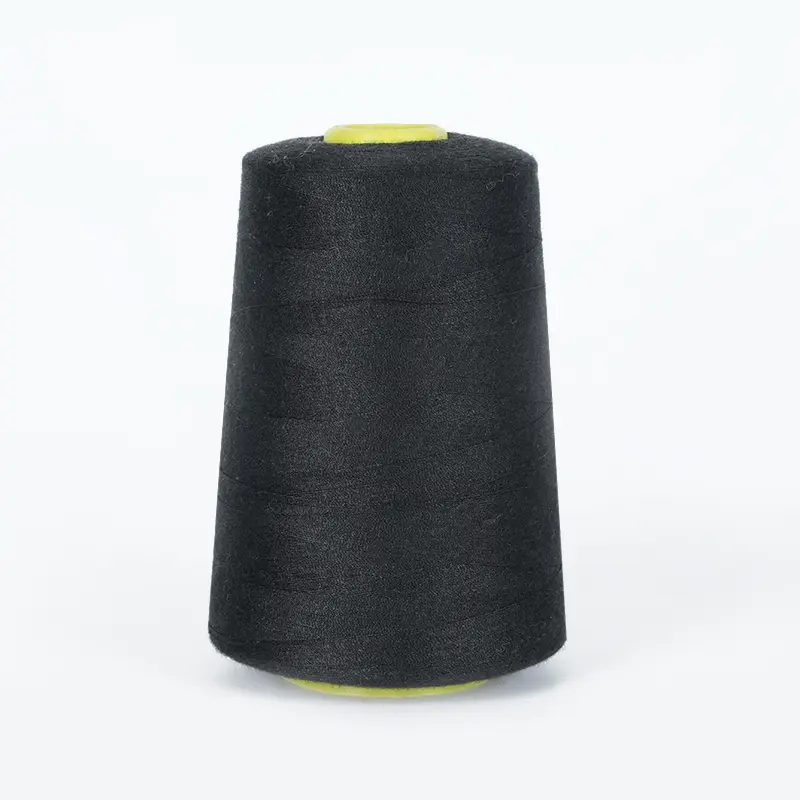
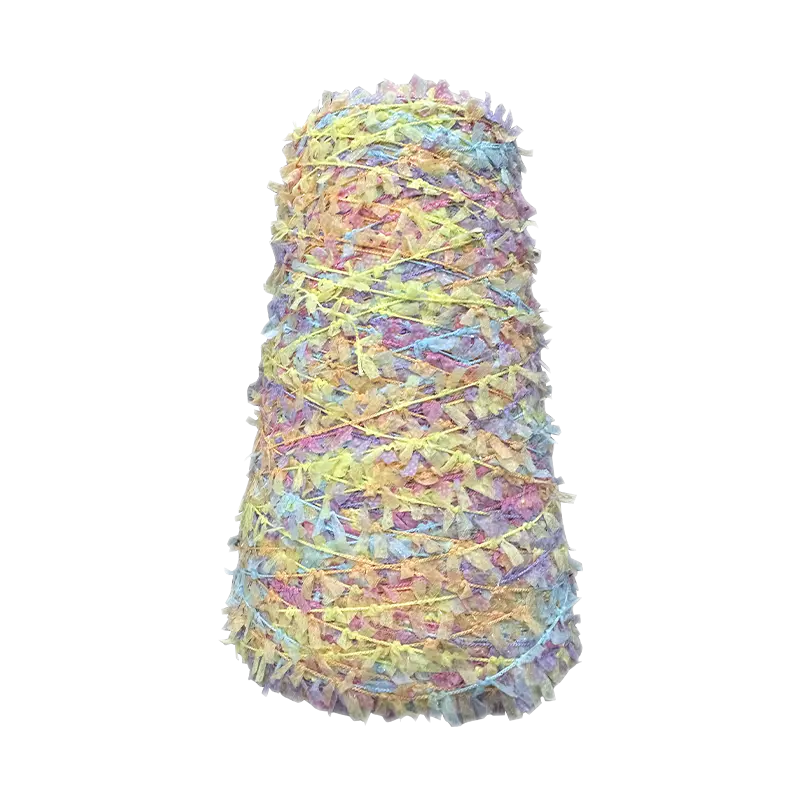
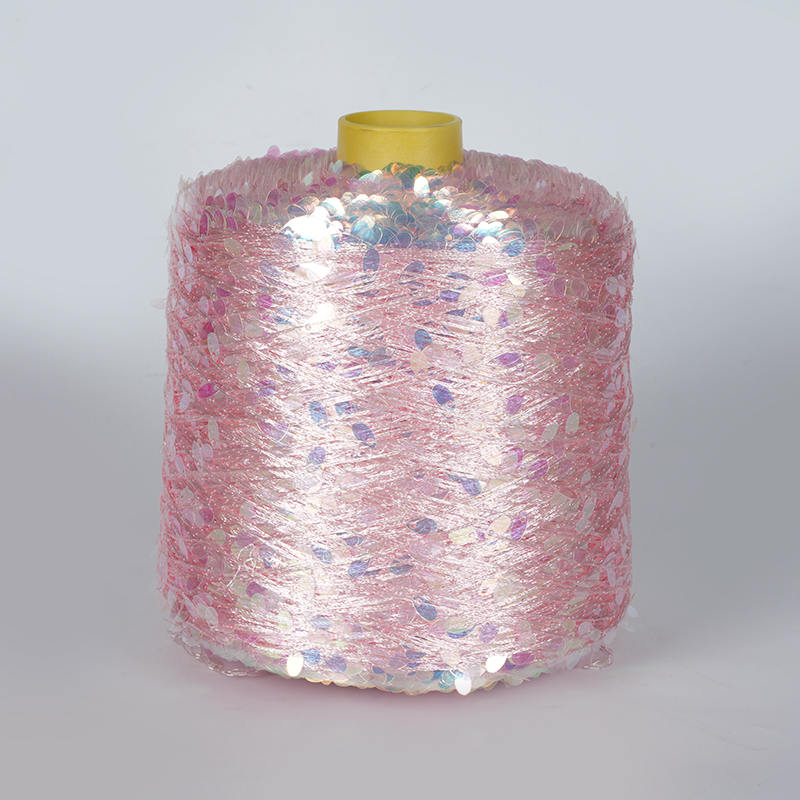
Sequin yarn for knitting transforms ordinary knitted fabrics into eye-catching pieces that command attention and premium pricing. By integrating small reflective sequins or metallic embellishments directly into yarn structure, sequin yarn delivers three-dimensional sparkle effects that emerge during knitting—without requiring labor-intensive embellishment or hand decoration. Fashion brands leverage this capability to create distinctive collections that stand apart in competitive markets, while manufacturers gain production efficiency through integrated aesthetics and reduced finishing requirements.
50%+
Retail price premium for sequin-embellished pieces
5
Major application market segments
100+
Customizable sequin and color combinations
1 What Makes Sequin Yarn Essential for Premium Knitwear Design
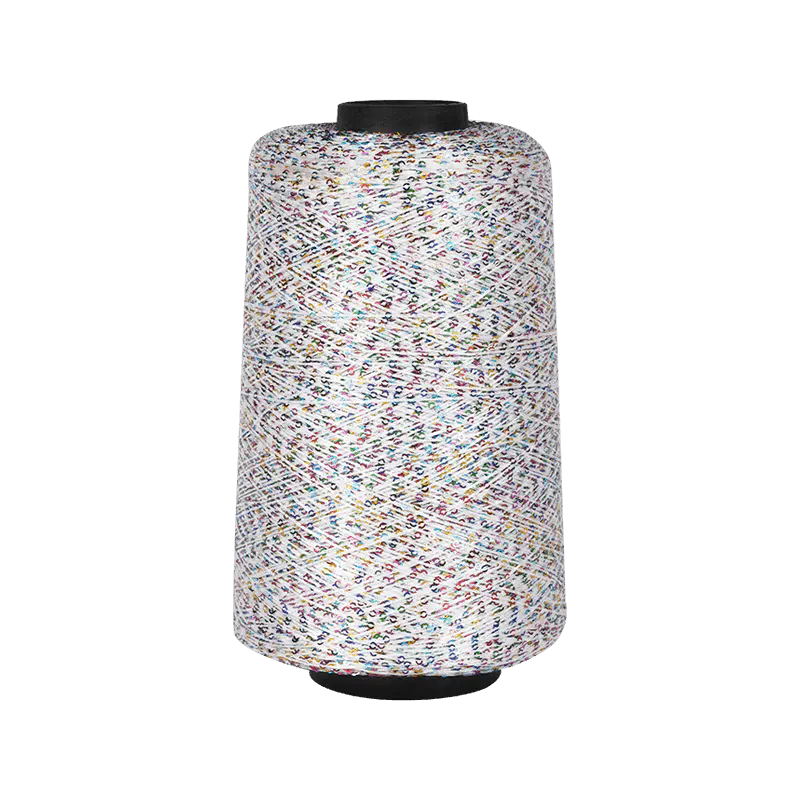
Sequin yarn for knitting is engineered by attaching or integrating small sequins, glitter elements, or reflective particles onto a yarn base—typically polyester, nylon, or acrylic. Unlike surface-applied sequins that can be removed during washing or wear, integrated sequins are permanently bonded to yarn structure. When knitted into fabric, sequins catch and reflect light, creating dramatic three-dimensional sparkle effects that define luxury and fashion-forward positioning.
This integrated approach delivers substantial manufacturing advantages. Visual impact emerges during knitting at no additional labor cost—eliminating hand-beading departments, specialized embellishment equipment, and post-production finishing complexity. Quality consistency improves because sequin positioning is engineered into yarn structure rather than applied manually. Design differentiation occurs at the yarn stage, enabling brands to create exclusive collections with minimal design iteration and maximum production control. Manufacturers specifying sequin yarn for knitting reduce production complexity while capturing retail margins that justify premium positioning.
Permanent sequin integration: Sequins are bonded directly to yarn structure, surviving washing, daily wear, and multiple seasons without loss or displacement.
Production efficiency: Sparkle effects emerge during knitting without additional beading, embroidery, or hand-finishing—reducing labor costs and production time substantially.
Design flexibility and customization: Sequin yarn suppliers offer extensive customization in sequin colors, sizes, shapes, yarn base colors, and fiber composition—enabling truly exclusive collections.
2 Sequin Styles and Their Decorative Applications
Sequin yarn for knitting encompasses distinct sequin styles, each creating different visual and market positioning. Understanding these variations helps match yarn selection to design intent and target consumer expectations.
| Sequin Style | Visual Character | Typical Applications |
| Standard Round Sequins | Classic sparkle with consistent light reflection | Fashion garments, evening wear, luxury basics |
| Holographic Sequins | Rainbow effect with color shifting, dramatic visual impact | Statement pieces, festival wear, youth fashion |
| Metallic Sequins | High-shine mirror effect with bold reflectivity | Evening wear, special occasion, luxury collections |
| Matte Sequins | Subtle, sophisticated sparkle without harsh reflection | Premium fashion, contemporary collections, upscale wear |
| Teardrop/Shaped Sequins | Elongated sparkle creating directional light effects | Designer pieces, artistic textiles, unique collections |
| Iridescent Sequins | Multi-color shimmer changing with viewing angle | Fashion-forward garments, accessory items, luxury wear |
3 Manufacturing Excellence: Why Quality Control Defines Performance
Creating consistent sequin yarn for knitting demands precise manufacturing discipline. Sequin placement must be uniform and predictable across entire production runs. Attachment strength must survive knitting tension and repeated washing. Sequin distribution must remain even so fabric appearance doesn't show gaps or clustering.
- Base yarn selection and preparation: Foundation yarn is chosen for strength, elasticity, and fiber characteristics that match desired fabric hand feel. Polyester provides durability; acrylic offers affordability; nylon delivers softness. Yarn diameter is selected based on sequin size and desired fabric weight.
- Sequin material sourcing: High-quality sequins are sourced and inspected for uniform size, thickness, and reflective properties. Sequin quality directly impacts visual appeal and durability—budget alternatives show color dulling and loss during washing.
- Sequin positioning and attachment: Sequins are positioned on yarn surface using specialized machinery that controls spacing, orientation, and attachment angle. This stage determines final visual effect—uniform spacing creates consistent sparkle; irregular spacing creates unpredictable appearance variation.
- Attachment process and stabilization: Sequins are bonded using adhesive, thermal welding, or mechanical wrapping depending on yarn and sequin type. Attachment strength is critical—weak bonding leads to sequin loss during knitting and washing; excessive bonding can make yarn brittle.
- Yarn twisting and consolidation: Finished yarn may be twisted or wrapped with additional fibers to stabilize sequins and improve knitting performance. Twist angle and tightness affect both functionality and visual effect.
- Quality verification and testing: Sequin attachment strength, yarn tensile strength, knitting performance, and appearance consistency are tested against specifications. Only yarn meeting all criteria advances to packaging.
Sequin Durability Determines Consumer Satisfaction: Low-quality sequin yarn shows sequin loss after 3–5 wash cycles as adhesive fails or mechanical bonds weaken. Premium suppliers engineer durable attachment that survives 30+ wash cycles and years of wear. This durability difference creates substantial brand protection—consumers perceive high sequin retention as superior quality, while sequin loss damages brand perception and drives negative reviews. Always request wash-test documentation proving sequin retention rates from potential suppliers.
4 Real-World Applications Across Five Market Segments
Fashion Apparel & Evening Wear
Sequin yarn for knitting enables designers to create attention-grabbing sweaters, dresses, and jackets that communicate luxury and fashion-forward positioning. Sequin effects justify premium retail pricing and support brand differentiation in competitive fashion markets.
Luxury & Designer Knitwear
High-end brands specify sequin yarn with custom sequin colors and exclusive fiber blends to create signature collections. Designer positioning demands unique sequin effects that competitors cannot easily replicate.
Home & Lifestyle Textiles
Decorative blankets, cushions, and throws featuring sequin yarn command luxury home décor pricing. Sparkle effects create perceived value and appeal to consumers seeking distinctive interior design.
Hand Knitting & Craft Market
Individual crafters and hobbyists select sequin yarn specifically for the professional sparkle effects it delivers without requiring embellishment skills. Hand knitters willingly pay premium prices for yarn that produces gallery-quality results.
OEM & Contract Manufacturing
Manufacturers offering design services to brands develop custom sequin yarn specifications—unique sequin colors, proprietary fiber blends, exclusive effect patterns—becoming competitive differentiators for contract producers.
5 Why Sequin Yarn Outperforms Traditional Hand Embellishment
Sequin yarn for knitting addresses fundamental inefficiencies of hand-beading and surface embellishment. Traditional approaches apply sequins after knitting is complete—requiring specialized labor, creating quality inconsistency, damaging fabric through needle punctures, and extending production timelines. Sequin attachment often fails during washing because surface-applied sequins lack structural integration.
Integrated sequin yarn eliminates these limitations. Sparkle effects emerge automatically during knitting at no additional labor cost. Quality consistency improves dramatically because sequin positioning is engineered rather than manually applied. Production complexity decreases because no embellishment department is required. Durability improves because sequins are structurally integrated rather than surface-adhered. Manufacturers adopting sequin yarn reduce production costs while dramatically improving product quality and consumer satisfaction.
6 Five Critical Selection Criteria for Your Collection
1. Define Sequin Effect and Visual Statement
Determine whether your design calls for bold, dramatic sparkle (metallic or holographic sequins), sophisticated subtlety (matte sequins), or fashion-forward surprise (iridescent or teardrop shapes). Sequin yarn visual intensity should align with brand positioning and consumer expectations. Premium luxury brands typically choose refined effects; fashion-forward brands may select bold novelty options.
2. Verify Sequin Attachment Durability and Wash Performance
Request documented wash-test results showing sequin retention through 20+, 30+, and 50+ wash cycles. Budget sequin yarn shows attachment failure after 5–10 washes; premium options maintain sequin integrity indefinitely. Evaluate samples under realistic consumer washing conditions before committing to bulk orders.
3. Confirm Base Yarn Performance and Fiber Characteristics
Assess the foundation yarn for tensile strength, softness, elasticity, and fiber content. Sequin yarn base fiber affects hand feel, breathability, and care requirements. Polyester provides durability; acrylic offers affordability; nylon delivers luxury softness. Request fiber content documentation and feel samples.
4. Test Machine Compatibility and Knitting Performance
Verify that yarn diameter, tension requirements, and sequin dimensions work with your specific knitting equipment. Some sequin yarn variants require speed or tension adjustment. Request technical guidance from suppliers and conduct trial production runs before bulk orders.
5. Evaluate Supplier Customization Capability and Production Reliability
Leading sequin yarn suppliers offer extensive customization—sequin colors, sequin shapes, yarn base colors, fiber blends, weight specifications. Confirm that suppliers can scale production with your growth, maintain consistency across orders, and provide technical support for troubleshooting production challenges.
7 Future Innovations in Sequin Yarn Technology
The sequin yarn industry is advancing toward more durable, sustainable, and innovative solutions. Advanced attachment technologies improve sequin retention to approach 100% survival through 50+ wash cycles. Smart sequins integrating color-changing technology or conductive properties are emerging for functional fashion applications. Recycled polyester and sustainable sequin materials enable brands to deliver sparkle with environmental responsibility. Multifunctional sequin yarns combining decorative effects with performance properties—moisture management, temperature regulation, or antibacterial action—represent emerging opportunities for next-generation textiles.
8 Frequently Asked Questions About Sequin Yarn for Knitting
How many wash cycles will sequins remain attached to the yarn?
Premium-quality sequin yarn for knitting maintains sequins through 40–50+ wash cycles and years of wear. Budget alternatives show significant sequin loss after 5–10 washes. Always request specific wash-cycle testing data from suppliers—performance claims should be quantified and independently verified, not generic marketing statements.
Can sequin yarn be dyed or is it only available in preset colors?
Most sequin yarn is pre-colored and cannot be redyed because heat and chemicals used in dyeing can damage sequins and adhesive bonds. Custom colors are available at time of production. Work directly with suppliers to select from their standard color palettes or develop custom combinations before yarn production.
Is sequin yarn significantly heavier than conventional yarn?
Sequin yarn adds minimal weight—typically 5–15% heavier than equivalent conventional yarn depending on sequin coverage. This weight addition creates luxurious drape and fabric density that enhances the premium perception of finished garments. Request weight specifications from suppliers.
What is the cost premium for sequin yarn compared to conventional yarn?
Sequin yarn for knitting typically costs 50–150% more than conventional yarn depending on sequin type, size, coverage, and fiber composition. The investment is justified by retail price premiums (50%+ for finished garments), production efficiency (no embellishment departments), and design differentiation that consumers perceive as luxury quality.
Can sequin yarn be used in standard knitting machines or does it require special equipment?
Most sequin yarn works on standard circular and flat knitting machines, though tension and speed adjustments may be needed. Oversized sequins may require specialized equipment. Always confirm machine compatibility with your specific equipment and request technical guidance from suppliers before production runs.
How should finished garments featuring sequin yarn be cared for?
Garments made with sequin yarn should be hand-washed in cool water or machine-washed on delicate cycles to protect sequins. Avoid tumble drying; air-dry instead. Provide care instructions to consumers. Premium suppliers can provide detailed care guidance to help maximize sequin retention through garment lifetime.
 |