English
 русский
 Español
News
Home / News / Industry News / What Is Microfiber Made Of? Polyester, Polyamide Ratios and Fiber Facts
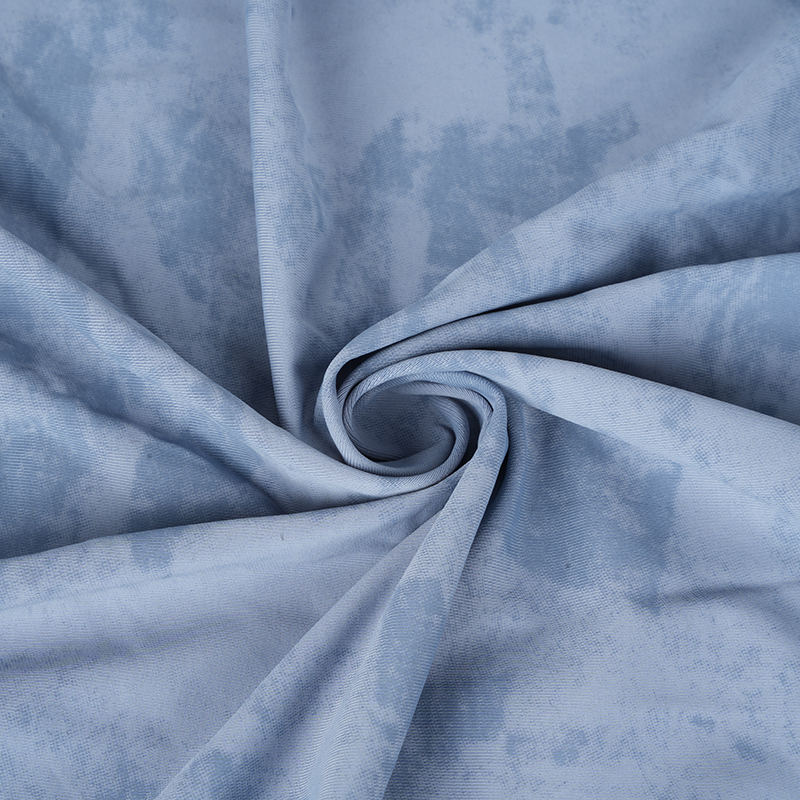
Dri-FIT Nike Material Explained: How Moisture-Wicking Fabric Technology Works
Oct 21,2026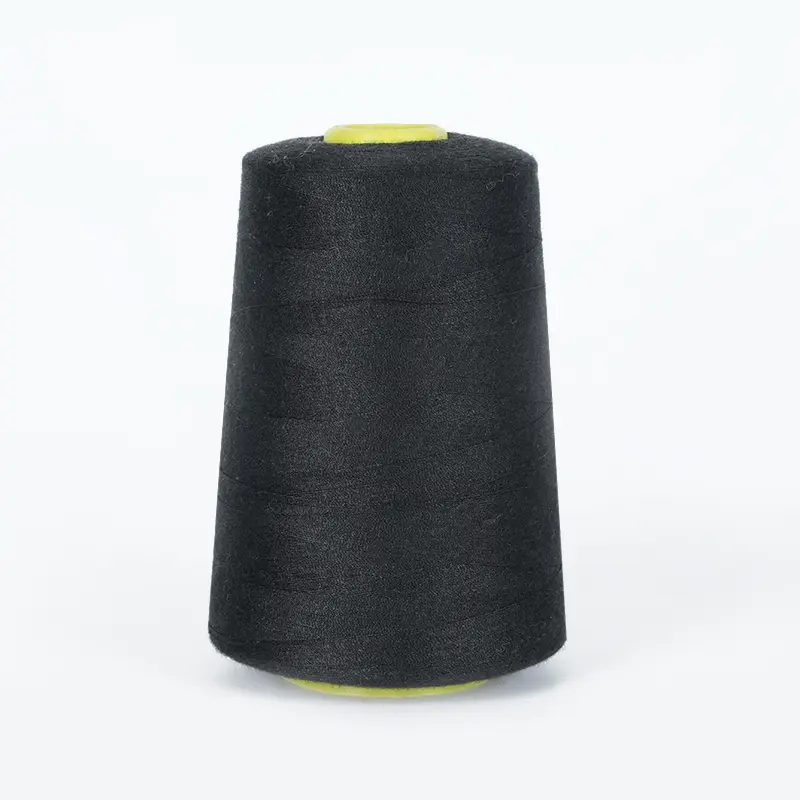
how to make polyester fiber: Applications, Selection Criteria, and Practical Guidance
Oct 14,2026
What Is Tex in Textiles? The Linear Density Unit Every Buyer Must Know
Oct 07,2026
Sofa Cloth Material Explained: How to Compare Durability, Weave Types and Cost
Sep 30,2026
Nonwovens Explained: How Bonded Fabrics Differ From Woven and Knitted Textiles
Sep 23,2026Microfiber is made of polyester and polyamide (nylon), with polypropylene and acrylic appearing only in specialty grades; polyester-polyamide blends dominate commercial production. The two polymers divide the work. Polyester, chemically PET (polyethylene terephthalate), contributes tensile strength, shape retention, chemical resistance and cost control. Polyamide, usually nylon 6 or nylon 6,6, contributes water absorption, softness, elasticity and dye affinity. Neither polymer delivers the full performance profile alone, which is why the blend, not a single material, defines the category.
The polymer grade matters as much as the ratio. Filament-grade PET with consistent melt viscosity spins evenly and survives drawing without breaks, while off-grade chips cause weak spots and machine downtime. This is standard synthetic yarn economics: the polymer behind any extruded product, from a sewing thread to an industrial film, sets the ceiling on machine performance and finished-goods quality.
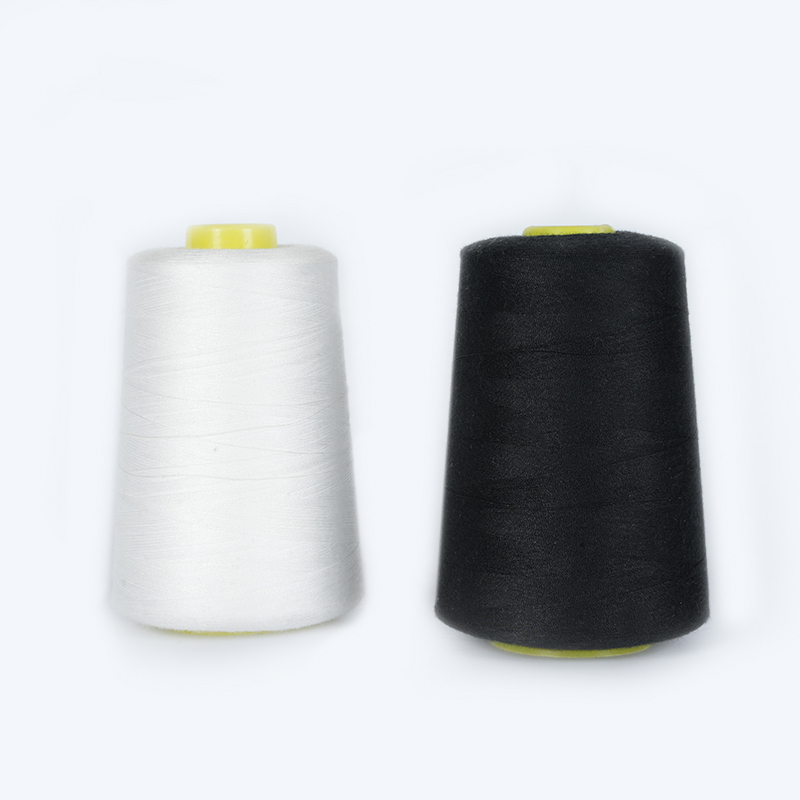 Polyester Sewing ThreadA low-elongation, non-elastic polyester thread with soft texture and good color fastness. It illustrates how filament-grade polymer quality directly affects spinability, sewing performance, and finished-goods reliability.View Product →
Microfiber is produced through melt spinning: polymer chips are melted, pressed through a spinneret and drawn into continuous filaments, then split into ultra-fine segments during fabric finishing. The split step is what turns a fine synthetic yarn into true microfiber.
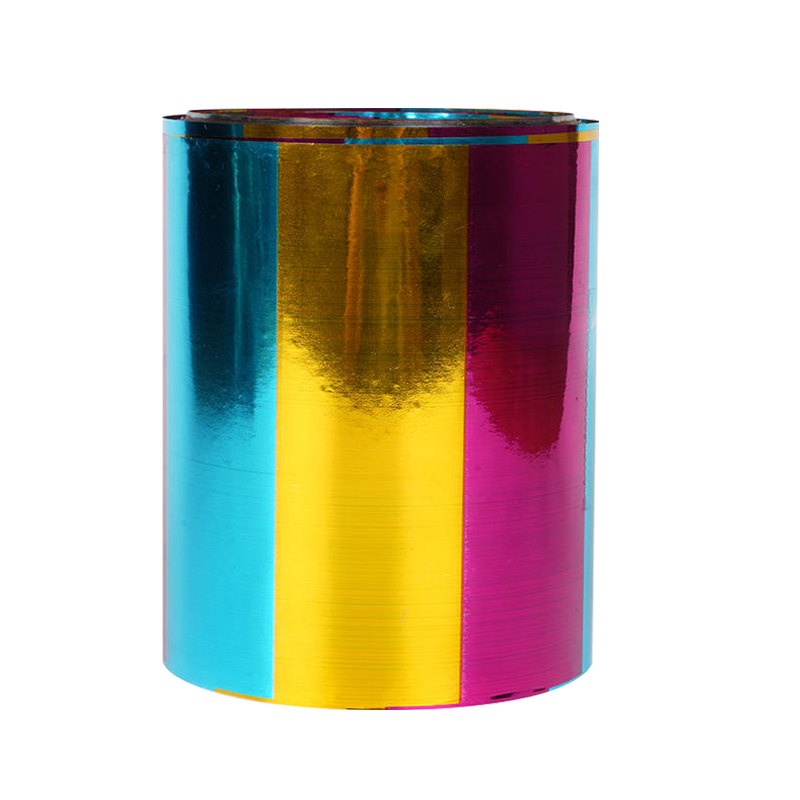
Extrusion discipline explains why polymer purity is non-negotiable. The same PET pellet chemistry is extruded into film as well as fiber: in our own metallic yarn production, PET film is metallized, slit and combined with yarn cores, and any inconsistency in the polymer shows up immediately in the finished width, gloss and strength.
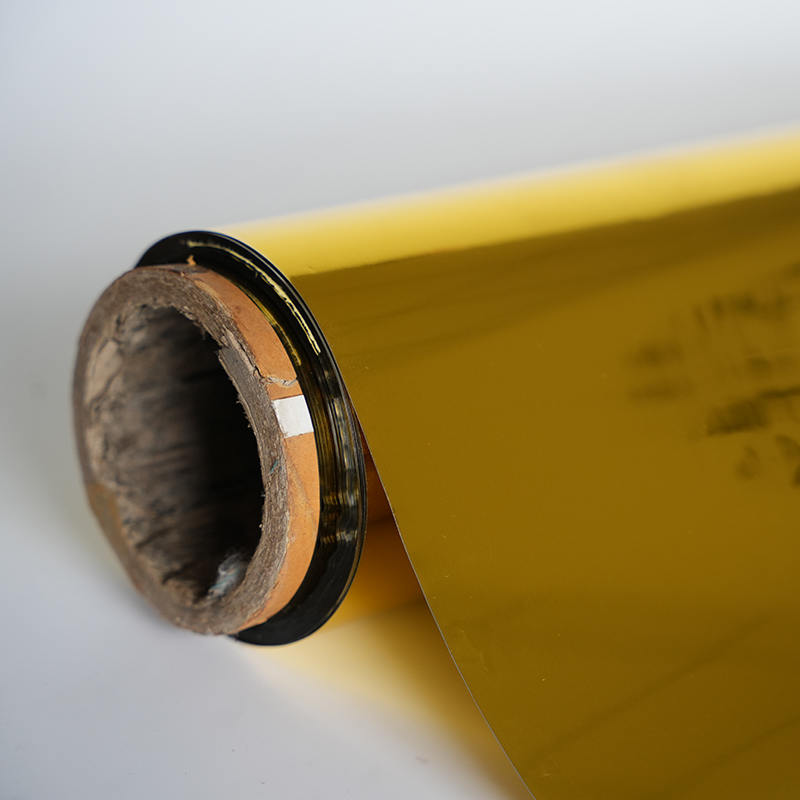 Metallized PET Film for Packaging and DecorationMade from the same PET chemistry as fiber, this film is metallized and slit for metallic yarn, flexible packaging, labels, and insulation uses, showing why consistent polymer purity matters in extrusion.View Product →
A filament qualifies as microfiber below 1 denier, and split microfiber commonly lands between 0.1 and 0.3 denier, far below silk at roughly 1.1 denier. Measured in diameter, a split filament sits near 2 microns against roughly 70 microns for a human hair.
Fineness is not cosmetic. Absorbency, particle pickup and fabric hand all scale with filament count: at the same fabric weight, smaller diameters create more total fiber surface and more capillary space, which is exactly the mechanism a cleaning cloth exploits.
The polyester and polyamide blend reaches full performance only after splitting; unsplit microfiber behaves like any fine synthetic filament, with modest absorbency and a smoother surface. The difference decides both product category and price.
| Blend | Filament state | Typical products | Why buyers choose it |
| 100% polyester | Unsplit, flat weave | Bedding sets, linings | Lowest cost, quick drying, wrinkle resistant |
| 80% polyester / 20% polyamide | Split | General purpose cleaning cloths | Balanced durability and absorbency |
| 70% polyester / 30% polyamide | Split, high density | Glass and polishing towels | Higher water uptake, softer hand |
| 100% polyamide (nylon) | Unsplit | Hosiery, sportswear, brush bristles | Elasticity and abrasion resistance |
Microfiber appears in cleaning textiles, bedding, apparel, upholstery and automotive care, and every end use leans on a different property of the same two polymers.
The construction logic travels across yarn-based textiles: filament fineness, twist and knit density decide the surface long before any finish is applied. At JinDun Textile we work with that same logic daily across metallic, fancy and functional yarn production for garment and home-textile buyers, and you can read more about our plants, certifications and export markets in our company profile.
For upholstery buyers, knit density and pile height usually matter more than the microfiber label itself, which is why related fabrics are best specified by weight, pile and abrasion performance rather than by category name alone.
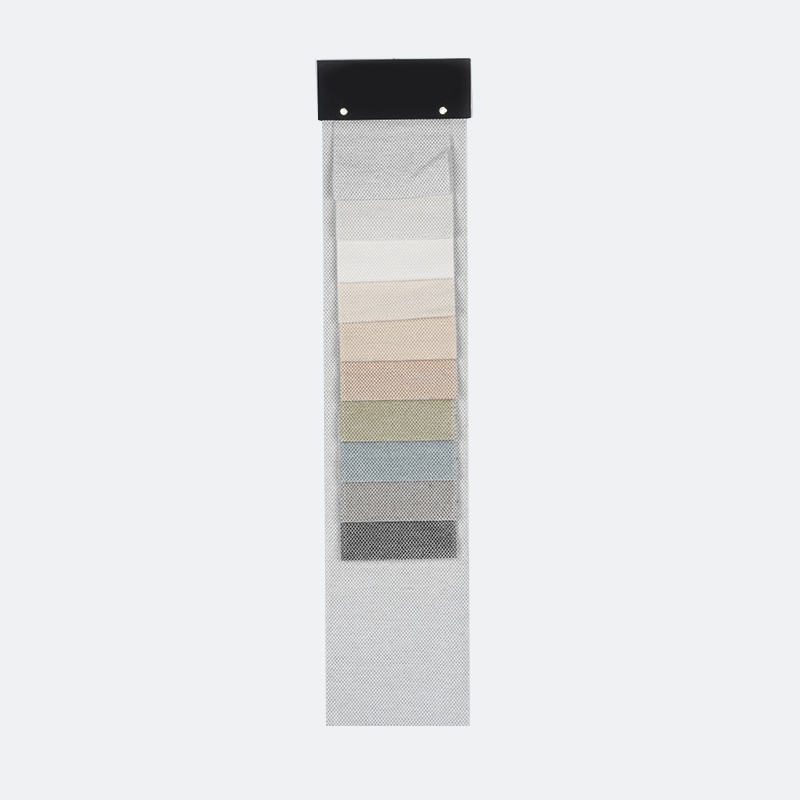 Polyester Upholstery Sofa FabricA polyester sofa fabric that can imitate linen, cotton, or silk textures at low cost. For upholstery, knit density, pile height, and abrasion performance matter more than the microfiber label itself.View Product →
Because microfiber is made of plastic polymers, its environmental pressure points are the fossil-based feedstock and the microplastic fibers released during laundering. Both are specification issues, not just reputational ones.
A 2017 IUCN report estimated that roughly 35 percent of primary microplastics reaching the oceans come from laundering synthetic textiles. Polyester-polyamide blends do not biodegrade on useful timescales, so responsible buyers now treat shedding behavior and feedstock origin as procurement criteria alongside price and GSM.
For feedstock detail, see how recycled yarn is made and which raw materials go into it.
Yes. Polyester and polyamide are petroleum-derived plastics. Recycled PET versions replace part of the virgin polymer, but the filament chemistry stays fully synthetic.
No. Conventional polyester textiles run 2 to 5 denier per filament. Microfiber stays under 1 denier and normally blends in polyamide, which changes absorbency, drape and hand feel.
Standard microfiber contains none. Bedding sold as a microfiber-cotton blend is a union fabric in which cotton yarn is woven alongside synthetic yarn, not a natural version of microfiber.
A 70/30 split blend with more polyamide absorbs more water and feels softer, which suits glass and polishing work. An 80/20 blend offers the best durability-to-price balance for daily cleaning tasks.
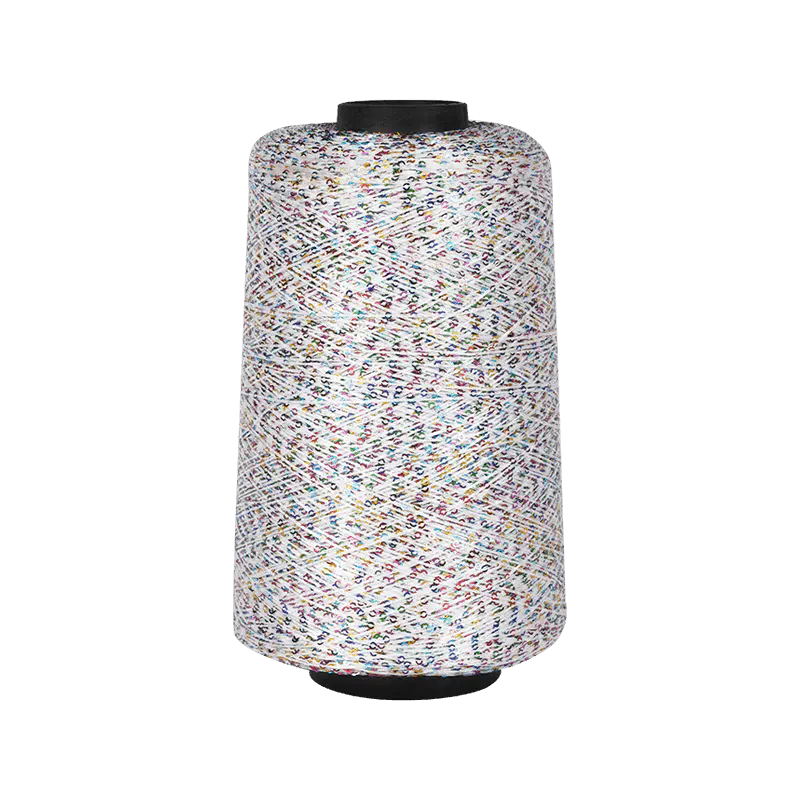
Sequin Yarn for Knitting: Sparkle Effects & Fashion Textiles
2026-08-26What Is Twill Fabric? Weave Structure, Types, Weights, and Real-World Uses
2026-09-16Your email address will not be published. Required fields are marked *