English
 русский
 Español
News
Home / News / Industry News / What are the unique advantages of polyester printing fabric? What applications is it suitable for?
Nonwovens Explained: How Bonded Fabrics Differ From Woven and Knitted Textiles
Sep 23,2026
Spandex Material Explained: Stretch Properties, Blend Ratios and Mill Practice
Sep 09,2026
What Is Twill Fabric? Weave Structure, Types, Weights, and Real-World Uses
Sep 16,2026
What Is Microfiber Made Of? Polyester, Polyamide Ratios and Fiber Facts
Sep 02,2026
Sequin Yarn for Knitting: Sparkle Effects & Fashion Textiles
Aug 26,2026In the textile industry, polyester printing fabric is gradually becoming a focus of market attention. With the development of the fashion industry and functional textiles, polyester printing fabric, with its excellent performance, wide range of applications, and environmentally friendly printing and dyeing processes, has become a sought-after item by designers and manufacturers.
Polyester printing fabric belongs to the category of chemical fibers, and its core advantage lies in the stability and controllability of its fiber structure. Polyester fibers themselves have good strength and abrasion resistance, while also possessing low moisture absorption and high elasticity. These characteristics give printed fabrics excellent performance in production, processing, washing, and wear.
The molecular structure of polyester allows it to better fix dyes during the printing process, especially suitable for digital printing and heat transfer technologies. Under high-temperature treatment, polyester fibers can maintain shape stability and are not prone to shrinkage or deformation, providing clothing and home textile products with lasting color and texture. In addition, the chemical stability of polyester also ensures the color fastness of printed patterns, maintaining vibrant colors even after long-term use or multiple washings.
Polyester printing fabric has evolved from traditional screen printing to modern digital printing and sublimation printing technologies. Modern printing processes not only enhance the precision and color reproduction of patterns but also meet the demands of personalized and small-batch production.
Digital printing enables high-resolution image rendering, giving designers greater freedom in pattern design.
Sublimation printing uses high temperatures to penetrate dyes into the fibers, creating an inseparable bond between the pattern and the fabric, resulting in washable, durable, and naturally textured fabrics.
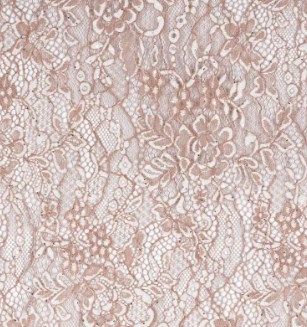
This technological innovation has not only improved the visual appeal of polyester fabrics but also enhanced their functionality. For example, functional printing can combine waterproof, stain-resistant, or UV-resistant properties, achieving multi-functionality. This technological breakthrough gives polyester printed fabrics a stronger competitive edge in the sportswear, outdoor gear, and high-end home textile markets.
Polyester printing fabric has an extremely wide range of applications, from fashion apparel and sportswear to home décor and advertising fabrics, all showcasing its superior performance.
In the fashion industry, printed polyester fabrics meet designers' high demands for color and pattern while ensuring garment durability and comfort.
In the home textiles sector, printed polyester not only offers a rich selection of colors but also boasts wrinkle resistance and easy washing, meeting the needs of modern families for convenient living.
Printed polyester fabrics also excel in commercial displays and advertising. Their vibrant colors and clear patterns make them ideal for fabric advertising, exhibition backdrops, and stage decoration. With increasing demand for personalization and customization, the application of polyester printing fabrics in various scenarios will continue to expand, indicating significant market potential.
Against the backdrop of rising global environmental awareness, the production and dyeing processes of printed polyester fabrics are also moving towards greener practices. Modern printing technologies increasingly focus on reducing energy consumption and wastewater discharge.
For example, digital printing uses less water and dyes compared to traditional dyeing processes, while also reducing the use of chemicals and minimizing environmental pollution.
The recyclability of polyester itself gives it a unique advantage in the circular economy; recycled polyester fibers can be reused to make fabrics, achieving resource recycling.
Driven by environmental protection principles, polyester printed fabrics not only focus on product performance but also emphasize the sustainability of the production process. This trend aligns with the development direction of the international textile industry and satisfies consumers' pursuit of eco-friendly fashion, bringing new growth momentum to the market.
As a key representative of modern textile printing, polyester printed fabric continues to innovate in material properties and printing processes, demonstrating strong potential in application areas and market development. With environmental protection concepts gaining wider acceptance and consumers' pursuit of quality and personalization, polyester printed fabrics will continue to be an important trend and direction of innovation in the textile industry. Whether in fashion design, home décor, or commercial applications, polyester printed fabrics, with their unique advantages and broad prospects, are becoming an unmissable highlight in the future textile market.
Knitted Yarn: From Fiber Selection to Innovative Applications
2025-11-22How does recycled yarn perform? Can it meet the demands of high-end textiles?
2025-12-08Your email address will not be published. Required fields are marked *